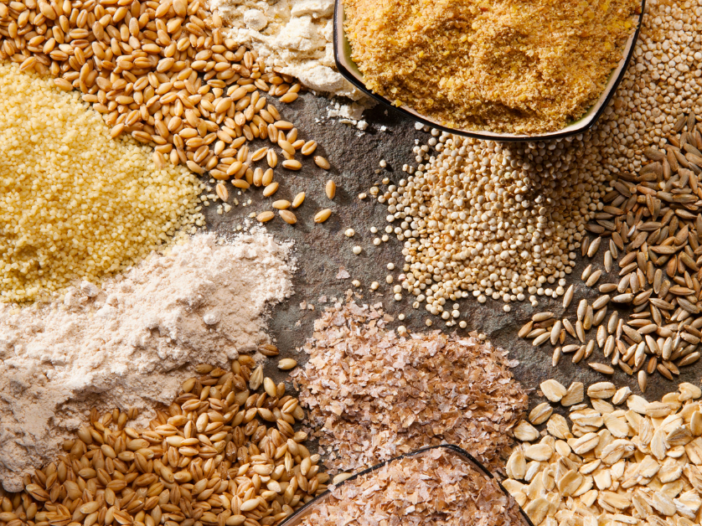

Here’s a look at how to manage diabetes with a balanced diet and how carbohydrates, fiber and grain foods support blood sugar control and long-term health.
If you’ve recently been diagnosed with diabetes or are trying to manage your blood sugar, the first thing you probably heard was: “Watch the carbs.” While that’s true, it has led to a major misconception that grains, including bread, pasta and cereal, are the enemy.
The reality? Cutting out grains can actually make managing diabetes harder. When chosen wisely and paired correctly, grain foods are essential partners in stabilizing blood sugar, protecting your heart and keeping your energy levels steady. Here is how to make grains work for your health.
What Is a Healthy Diet for Diabetes?
A healthy diabetes diet focuses on balance, consistency and nutrient quality.
Key components include:
- Fruits and vegetables
- Whole and enriched grains
- Lean proteins
- Healthy fats
This approach helps stabilize blood sugar levels while ensuring your body gets the nutrients it needs to function properly.
Not All Carbs Are Created Equal
It’s true that carbohydrates break down into glucose, but they don’t all hit your bloodstream at the same speed. The “secret sauce” for diabetes management is fiber.
Fiber acts like a natural buffer, slowing down the digestion of starch and the absorption of sugar. This leads to a gradual rise in blood sugar rather than a sharp spike. Research suggests that fiber-rich dietary patterns are associated with improved insulin sensitivity and lower risk of metabolic syndrome.
The Surprising Truth About Refined Grains
We often hear that “whole grains are good, refined grains are bad.” But nutrition science is rarely that black and white.
Whole grains provide fiber and can increase the production of short-chain fatty acids, which have been linked to improved insulin sensitivity and reduced risk of obesity.
Refined grains (like white pasta, rice and bread) also play a massive role in public health. They’re often enriched and fortified with important nutrients like folic acid, iron and B vitamins, important nutrients that many Americans don’t get enough of, and nearly 40% of the fiber in the American diet comes from refined grain foods.
A study published in 2022 found that the higher fiber content in grain foods can help decrease blood glucose and delay insulin secretion, indicating the intake of refined grain foods is not associated with increased risk of developing type 2 diabetes.
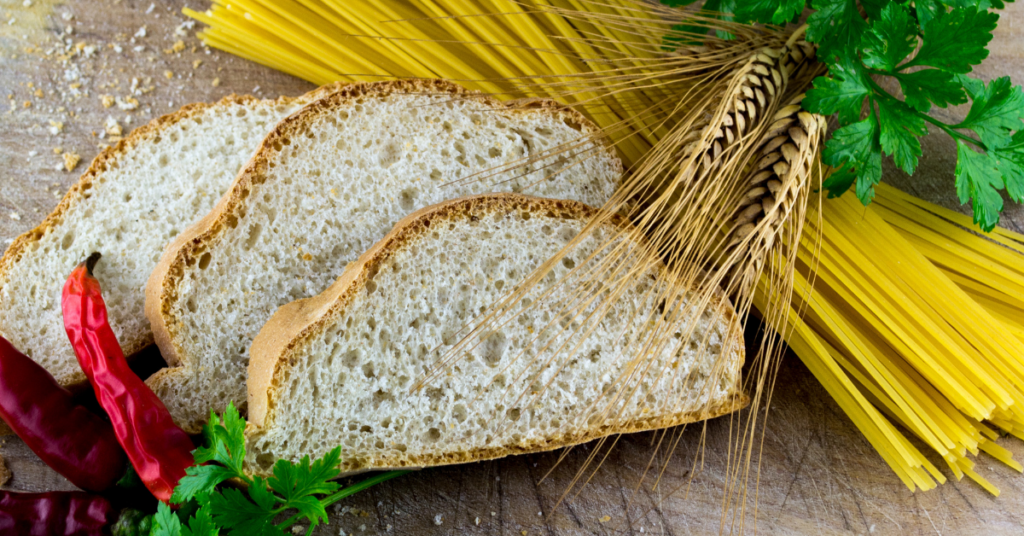
Diabetes and Heart Health
Managing diabetes is about more than just a glucose monitor; it’s about heart health. Because people with diabetes face a higher risk of cardiovascular disease, the fiber found in grains is a vital tool. A balanced diet that includes fiber-rich foods, healthy fats and nutrient-dense whole grains can help manage cholesterol levels and blood pressure, creating a “safety net” for your heart.
Smart Carbohydrate Choices for Diabetes
Focus on quality and consistency, not elimination, when it comes to carbs. Pairing them with other nutrient dense foods like fruits, vegetables, healthy fats, lowfat dairy and lean protein helps slow digestion and avoid blood sugar spikes.
Great carb options include:
- Whole grains like oats and brown rice
- Enriched grains like bread and pasta
- High-fiber cereals
- Fruits and vegetables
Managing diabetes is about patterns, not perfection. Instead of cutting carbs, especially grains, focus on building balanced meals that work for your lifestyle.