
Grain Nutrition
Grain foods show up in many of the meals people already love, and they contribute important nutrition.
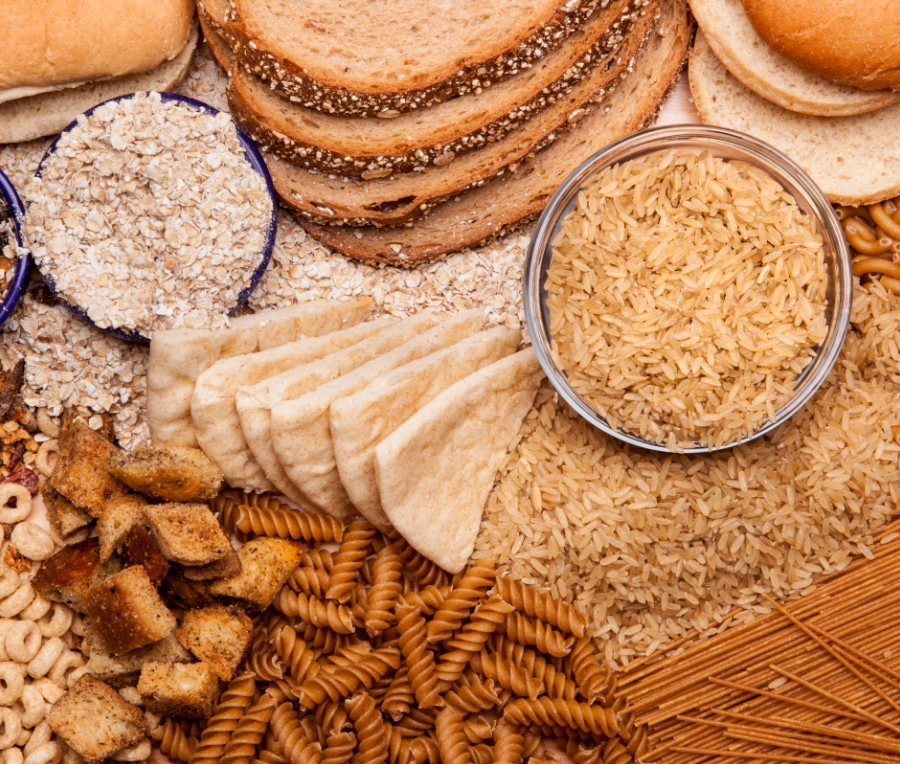
From breads and cereals to rice, pasta and tortillas, grain foods provide carbohydrates for energy along with vitamins and minerals many Americans need more of. Because they’re widely enjoyed and incredibly versatile, they play a meaningful role in helping people build balanced meals and support overall diet quality.
Nutrients in Grain Foods
Grain foods play an important role in the American diet, providing a range of essential nutrients that support overall health. These include:
Fiber
Fiber supports heart health by helping reduce blood cholesterol while promoting a healthy digestive system. Grains account for the largest source of fiber in the American diet, which many Americans fall short on. Whole grains are among the best sources of fiber because it is concentrated in the grain’s bran and germ, but refined grains also contribute fiber to the diet.
Folate
Folate is a B vitamin best known for helping prevent neural tube defects during early pregnancy. Because this critical stage occurs very early, often before a woman even knows she is pregnant, getting adequate folate beforehand is important. Folate also plays a role in heart health, and grain foods provide about half of the folate in many people’s diets.
Thiamin
Thiamin, also known as vitamin B1, plays an important role in cellular function and helps the body convert food into energy.
Riboflavin
Riboflavin, also known as vitamin B2, helps the body convert food into energy and supports normal growth, red blood cell production and overall cellular function.
Niacin
Niacin, or vitamin B3, is another B vitamin involved in metabolism. It also supports the health of the digestive system, skin and nervous system.
Iron
Iron is a mineral that helps carry oxygen throughout the body so cells can function properly. Grain foods provide about half of the iron in many people’s diets.
Zinc
Zinc helps the immune system protect the body from bacteria and viruses. It is also important for growth and development, particularly during pregnancy and early childhood.
Magnesium
Magnesium plays many important roles in the body, including supporting bone health, muscle and nerve function, and healthy blood pressure.
Calcium
Calcium is best known for its role in building and maintaining strong bones, but it also supports muscle function, nerve signaling and cardiovascular health.
Many of these nutrients are under-consumed by Americans, making grain foods an important contributor to overall diet quality.
Daily Dietary Nutrient Contribution From Grains
Addressing Nutrient Shortfalls
Many Americans fall short on several important nutrients, including dietary fiber, folate and iron. Both whole and refined grain foods can help fill some of these gaps and support overall health.
Whole grains provide fiber along with B vitamins, minerals and plant compounds. Enriched grains replace nutrients lost during processing, supplying key B vitamins and iron. Fortified grains, such as those with added folic acid, provide nutrients that were not originally present. Folic acid was added as part of a public health effort to reduce neural tube defects and remains the largest source of this nutrient in the American diet. Refined grain foods, including enriched and fortified products, also contribute nearly 40% of the dietary fiber Americans consume.
Because grain foods are widely consumed across the United States, they remain an effective way to help deliver these nutrients across the population. Both whole grain foods and enriched or fortified refined grain foods play important roles in supporting public health and helping people meet nutrient needs.
Grain Foods are Positive Carrier Foods
Beyond the nutrients they provide on their own, grain foods often act as “positive carrier foods.” In other words, they help bring other nutritious foods to the plate.
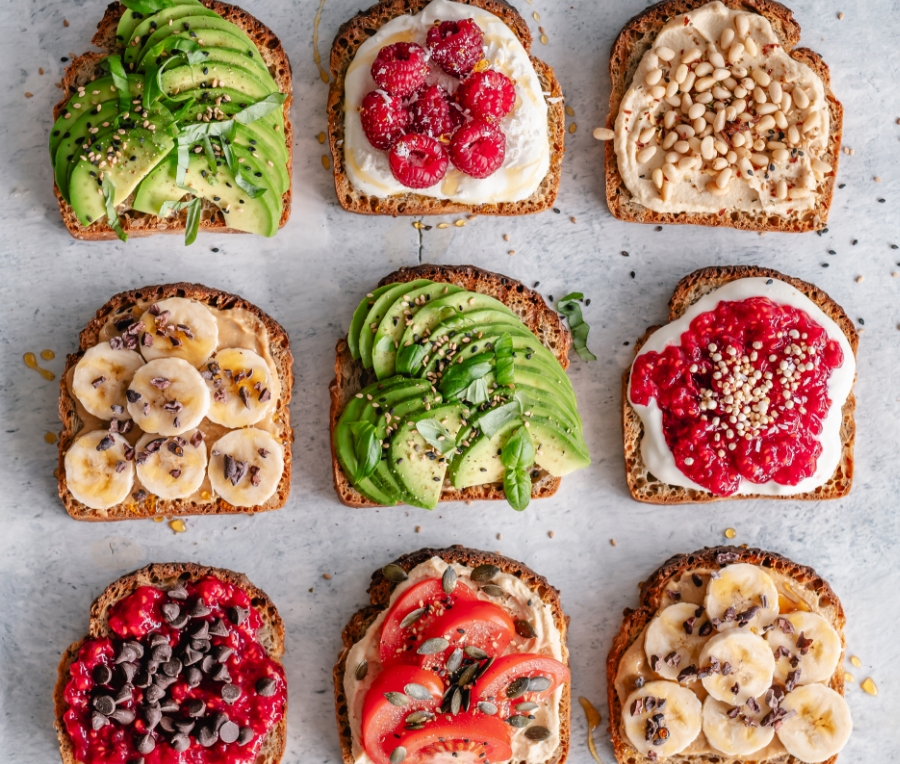
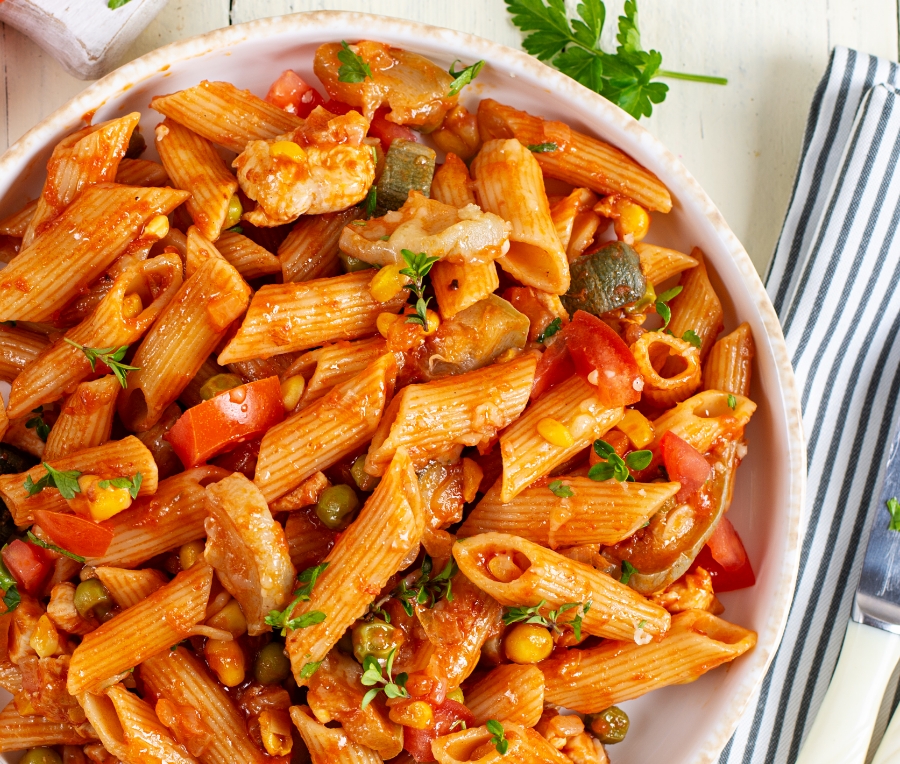
Think about how often grains are paired with ingredients like vegetables, beans, fruits, dairy and lean proteins. A slice of toast can carry avocado and eggs. Rice can anchor a bowl filled with vegetables and protein. Pasta can bring together tomatoes, seafood and olive oil. Cereal often includes milk and fruit.
In this way, grain foods make it easier to combine a variety of nutrient-dense foods into meals people already enjoy, helping support balanced eating patterns across the population.