Can people with diabetes eat pasta? Toby Smithson, MS, RDN, CDCES, shares her insights on mindful choices, portion sizes and diabetes-friendly ingredients to create delicious pasta dishes without compromising overall health.
Pasta often gets labeled “off-limits” for people with diabetes, but that’s not the full picture. The truth is, pasta can absolutely fit into a diabetes-friendly diet when eaten in the right way.
How does pasta affect blood sugar?
Pasta is a carbohydrate, which means it raises blood sugar. But compared to many other refined carbs, pasta is digested more slowly due to its structure. This slower digestion can result in a more gradual rise in blood sugar levels.
The biggest factor in how pasta impacts blood sugar is how much you eat. Sticking to moderate portions and balancing the plate with protein and fat can help.
What are the healthiest pastas for diabetes, and why are they beneficial?
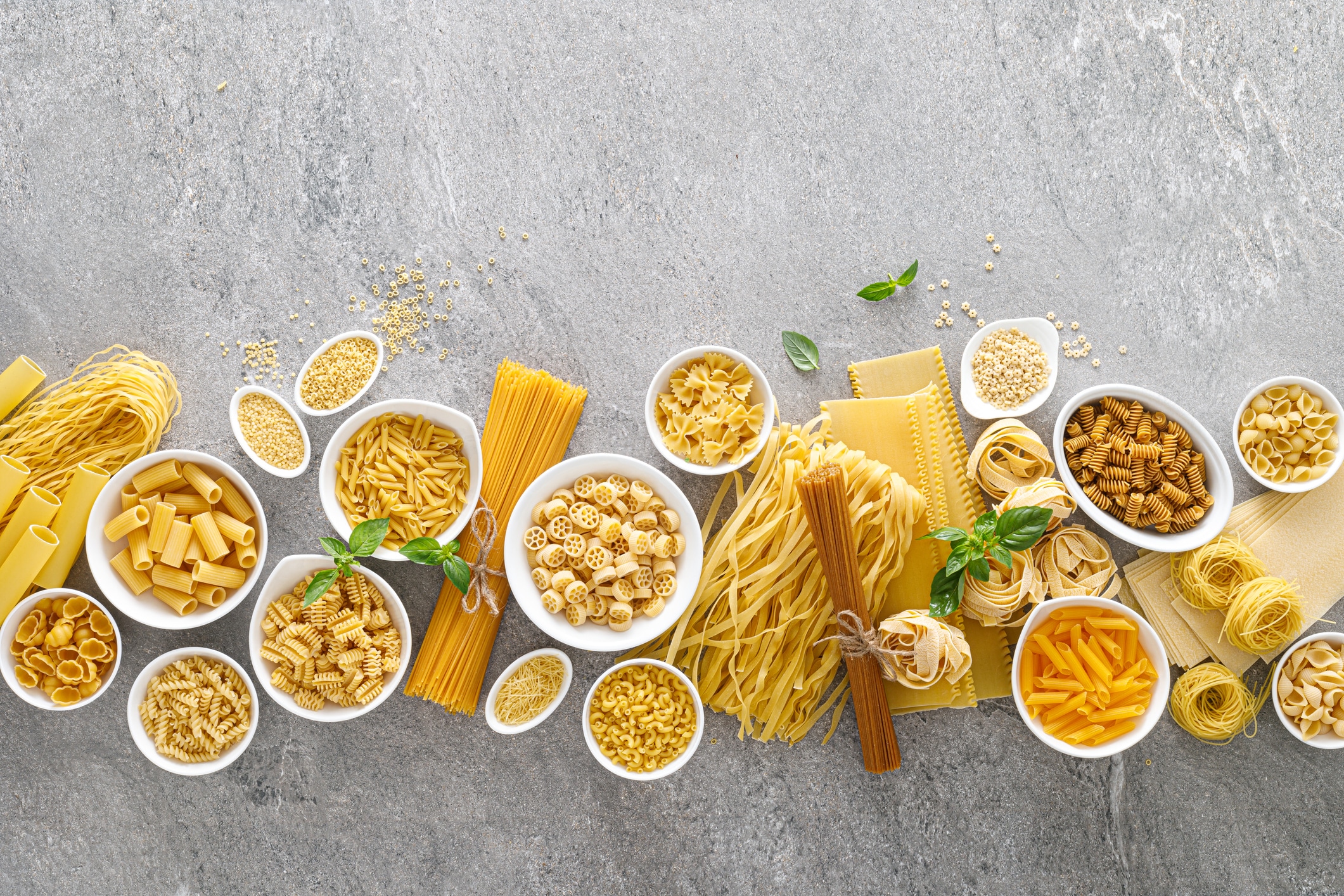
All types of pasta can fit into a healthy meal plan for someone with diabetes. Whole grain pasta is a great option because it offers more fiber, which can help lessen blood sugar spikes.
Enriched pasta is high in B-vitamins (thiamin, niacin, riboflavin) and iron, plus it contains dietary fiber. And, since many people with diabetes tend to have low amounts of B vitamins due to increased urination from elevated blood sugar, enjoying a combination of half whole grain and half enriched pasta is another great option to consider.
When it comes to pasta, it is important to monitor portion size. One-third cup of cooked pasta contains 15 grams of carbohydrates, but that doesn’t mean that’s all that can be eaten in one meal. Typically, diabetics can consume 30-60 grams of carbs per meal.
What should you pair with pasta for better blood sugar control?
What you eat with pasta matters just as much as the pasta itself.
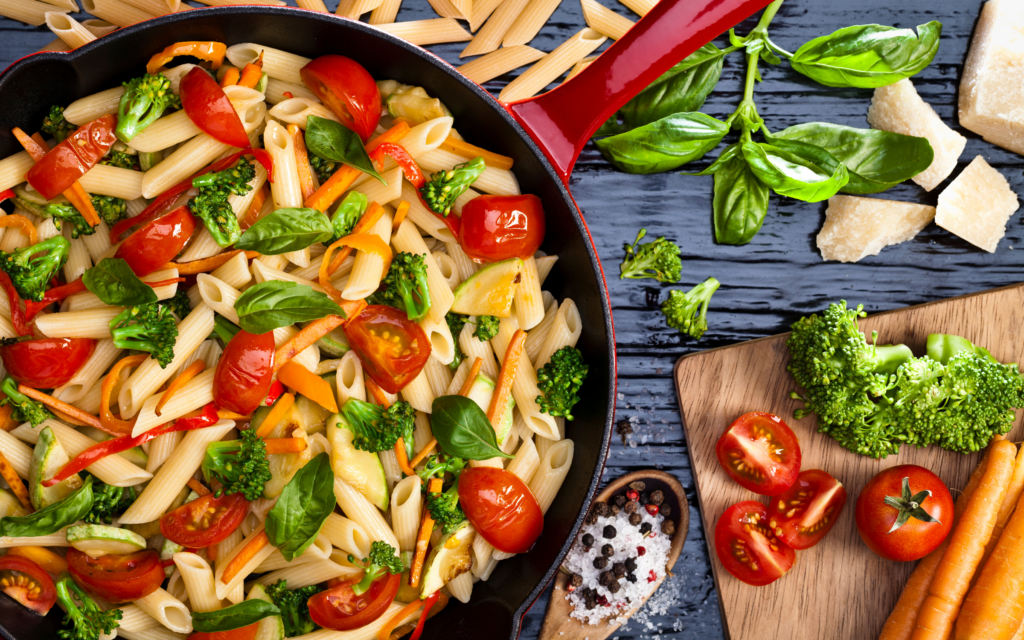
Fruits & Vegetables: Adding fruits and vegetables to pasta dishes can increase the volume of food and add more fiber, vitamins and minerals. It makes a simple dish more nutrient-dense and more filling, while also providing additional dietary fiber.
Lean Protein: It’s helpful to combine pasta with a lean protein such as grilled chicken, ground turkey, lower-fat cheese or vegan meatballs. Lean proteins can help slow down the absorption of carbohydrates in the body and help lessen blood sugar spikes.
Healthy Sauces: Using olive oil and garlic is the best choice for a low-carb, heart-healthy pasta sauce. If you prefer a tomato-based pasta sauce, check nutrition facts label serving size, total grams of carbohydrate, added sugars and sodium.
Picking the best choice of pasta comes down to balancing out the total grams of carbohydrate at the meal. And if you want to enjoy more pasta, choose a low carb sauce and a lean protein food to help slow down the absorption of carbohydrates.
About the Author
Toby Smithson, MS, RDN, CDCES is a registered dietitian nutritionist (RDN) and certified diabetes care and education specialist (CDCES) who has successfully managed her own diabetes for more than 50 years. Toby really knows what effectively managing diabetes means for your health and to your normal life. Her combination of professional knowledge and personal experience can help both diabetics and non-diabetics make small decisions that can make big differences in their future health.