How do grain foods support metabolic health, blood sugar control, gut health and weight management? Learn the science behind fiber, energy and nutrient density in your favorites from certified diabetes educator, Angela Ginn-Meadow, RD, LDN, RN, CDE.
Grain foods play an important role in supporting metabolic health and overall wellness. This is especially important when considering the close connection between blood sugar and heart health. Conditions like type 2 diabetes and cardiovascular disease share many of the same risk factors, including insulin resistance, inflammation and excess body weight, and are often managed through similar lifestyle approaches.
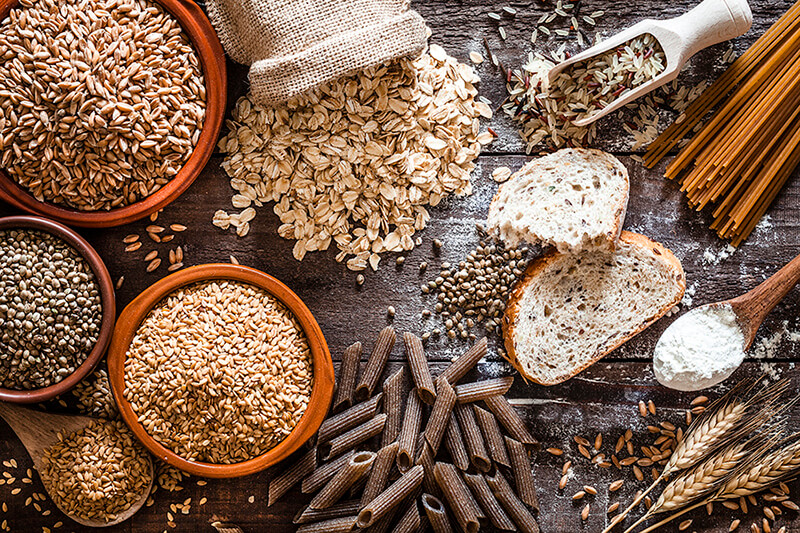
As part of a balanced eating pattern, both whole and refined grain foods provide dietary fiber, essential nutrients and steady energy that help maintain healthy blood sugar levels, support gut health and promote weight management.
Here is how the science supports their role in a healthy diet.
1. Fiber Forward:
Grain foods contain dietary fiber, which plays a crucial role in promoting metabolic health. Research suggests that fiber-rich dietary patterns are associated with improved insulin sensitivity and lower risk of metabolic syndrome.
The fiber in grains also helps slow the absorption of sugars, preventing rapid spikes in blood glucose levels, which can help improve blood sugar control and support a healthy weight.
While whole grain foods are typically associated with fiber, close to 40% of U.S. dietary fiber intake comes from refined grain foods. A study published in 2022 found that the higher fiber content in grain foods can help decrease blood glucose and delay insulin secretion, indicating the intake of refined grain foods is not associated with increased risk of developing type 2 diabetes.
2. Sustained Energy:
Grain foods are a primary source of complex carbohydrates, which provide steady and reliable energy throughout the day.
In Western diets, grain-based foods Grain-based foods provide approximately 25 to 50% of total daily energy intake. Because these carbohydrates are digested gradually, they help maintain consistent energy levels and support stable blood sugar.
This steady release of energy supports daily activity, focus and physical performance.

3. Nutrient Density:
Grain foods provide a range of nutrients that support key metabolic processes. These include:
- B vitamins that support energy metabolism
- Iron that supports oxygen transport
- Magnesium that plays a role in glucose metabolism and insulin function
Magnesium is especially important for metabolic health and has been linked to improved insulin sensitivity for those with type 2 diabetes.
Whole grains also contain antioxidants and phytochemicals that have anti-inflammatory and insulin-sensitizing properties.
4. Gut Health and Microbiome:
Grain foods also contribute to gut health through their fiber content.
Certain fibers act as prebiotics, helping to nourish beneficial gut bacteria and support a healthy microbiome. Research shows that whole grain intake can increase the production of short-chain fatty acids, which are associated with improved insulin sensitivity and metabolic health.
A healthy gut microbiome plays an important role in digestion, nutrient absorption and overall wellness.
5. Weight Management and Satiety:
Grain foods can support weight management as part of a balanced diet, particularly when they contribute fiber. Fiber helps promote fullness and satisfaction, which can support more consistent eating patterns and help manage overall calorie intake.
Maintaining a healthy weight is important for metabolic health, as excess visceral fat is associated with insulin resistance and metabolic syndrome.
Research, including observational studies and meta-analyses of randomized controlled trials, shows no consistent link between the glycemic index of foods and weight loss outcomes. This reinforces that a variety of grain foods can be included in a balanced approach to weight management.
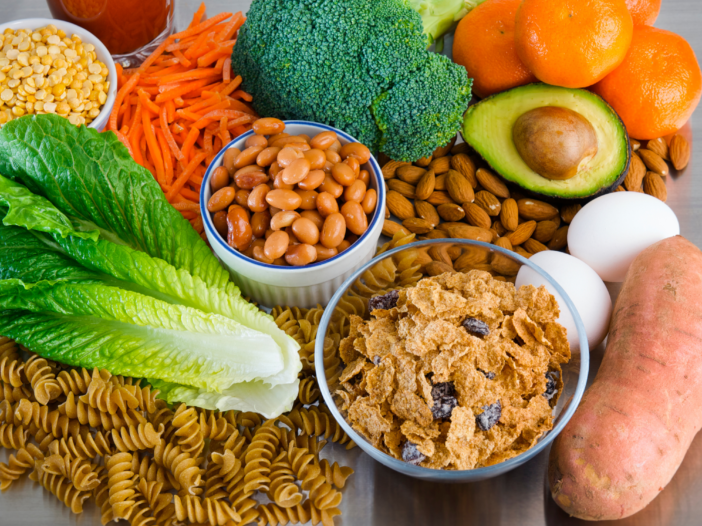
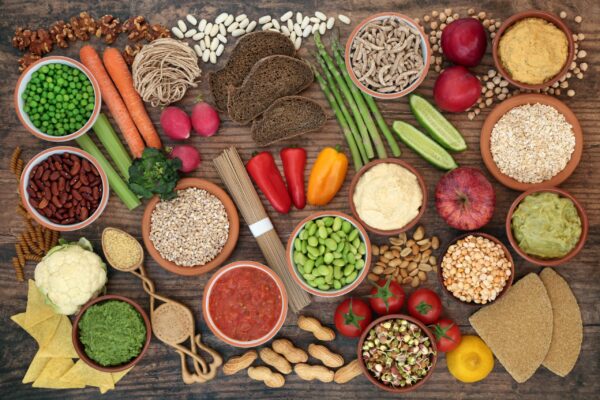
Eating to promote heart health and glucose control includes a variety of foods from each food group, including grains. Whole and refined staple grain foods can be nutrient-dense options that have a role to play in achieving dietary fiber intake recommendations, providing sustained energy, feeding the gut microbiome and managing weight.