
Are grains good for heart health? Get science-backed answers on whole grains, refined grains, fiber and cholesterol.
When it comes to cardiovascular wellness, the conversation often centers on what to remove from your diet. However, nutritional science suggests that what you include is just as vital.
Grain foods, ranging from hearty oats to enriched breads, play a foundational role in protecting your heart. Below, we break down the latest research on fiber, cholesterol and why grains are a non-negotiable part of a heart-healthy lifestyle.
Are grains good for heart health?
Yes. Diets that include grain foods, especially whole grains, are consistently associated with a lower risk of cardiovascular disease (CVD). Grains provide a complex matrix of fiber, vitamins, and minerals that work together to support arterial health and blood pressure regulation.
Read our Grains + Heart Health guide to dive deeper into the research.
What role does fiber play in heart health?
Fiber helps support cholesterol levels and overall cardiovascular health. Diets higher in fiber are associated with lower risk of heart disease. Grain foods are one of the primary sources of fiber in the diet.
How do grains help lower cholesterol?
Whole grains contain dietary fiber, including soluble fiber, which helps reduce LDL “bad” cholesterol levels. Lower LDL cholesterol is associated with reduced risk of heart disease.
Fiber binds to bile acids (which are made of cholesterol) and pulls them out of the body as waste. This forces your liver to pull LDL (“bad”) cholesterol from your blood to make more bile, effectively lowering your overall cholesterol levels and reducing the risk of plaque buildup in your arteries.
Can grains help with weight-related heart risk?
Heart health is closely tied to weight management, particularly “visceral fat” around the midsection. As highlighted in our guide to satiety, high-fiber grains keep you full longer. When you feel satisfied, you are less likely to overconsume calories, helping you maintain a healthy weight and reducing the strain on your cardiovascular system.
How much grain should I eat for heart health?
The American Heart Association and the 2020–2025 Dietary Guidelines for Americans recommend eating 3 to 6 ounce-equivalents of grains per day on average, with at least half coming from whole grains.
Are refined grains bad for heart health?
There is a common misconception that all “white” grains are detrimental. However, research does not consistently show a direct link between refined staple grains (like bread, pasta and rice) and increased heart disease risk.
What matters most is the total dietary pattern. Staple grains often serve as the “delivery vehicle” for other heart-healthy foods like vegetables, lean proteins and healthy fats.
What is the difference between whole and enriched grains for heart health?
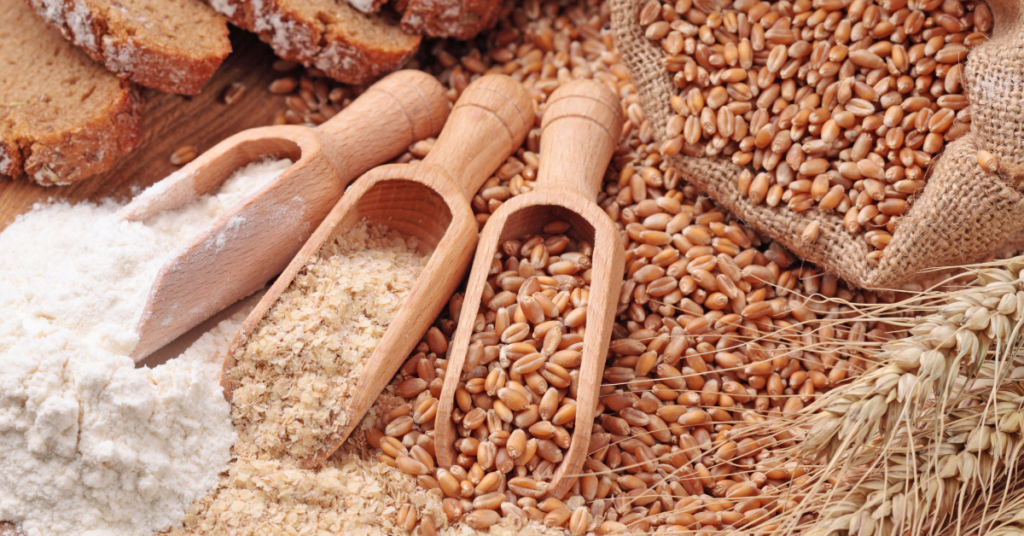
Whole grains contain all parts of the grain kernel and provide fiber, B vitamins, iron and magnesium to support heart health.
Enriched grains have certain nutrients, such as B vitamins and iron, added back after processing. These nutrients support functions like oxygen transportation and energy metabolism.
Both can be enjoyed as part of a balanced diet that contributes to overall nutrient intake.
Should I avoid grains for better heart health?
No. Eliminating grains is not necessary for heart health and may make it harder to get enough fiber and key nutrients. A balanced approach that includes grains, along with other nutrient-dense foods, supports better long-term health outcomes.
Diets that include whole grain foods are also associated with better heart health. For example, the DASH diet (Dietary Approaches to Stop Hypertension) includes whole grains as part of its eating plan. Whole grains are also part of the Mediterranean Diet, the eating pattern ranked by US News & World Report as among the top diets to follow and the heart-healthiest diets.
Eliminating grains is not only unnecessary for heart health; it can be counterproductive. By removing grains, you risk losing the fiber and essential nutrients that keep your cholesterol in check and your energy levels steady. For a stronger heart, focus on a variety of grains that keep you satisfied and nourished.