A dietitian breaks down a recent colorectal cancer study linking diet and colorectal cancer risk. Learn how diet patterns impact colon health.
By: Charlotte Martin, MS, RDN, CSOWM, CPT
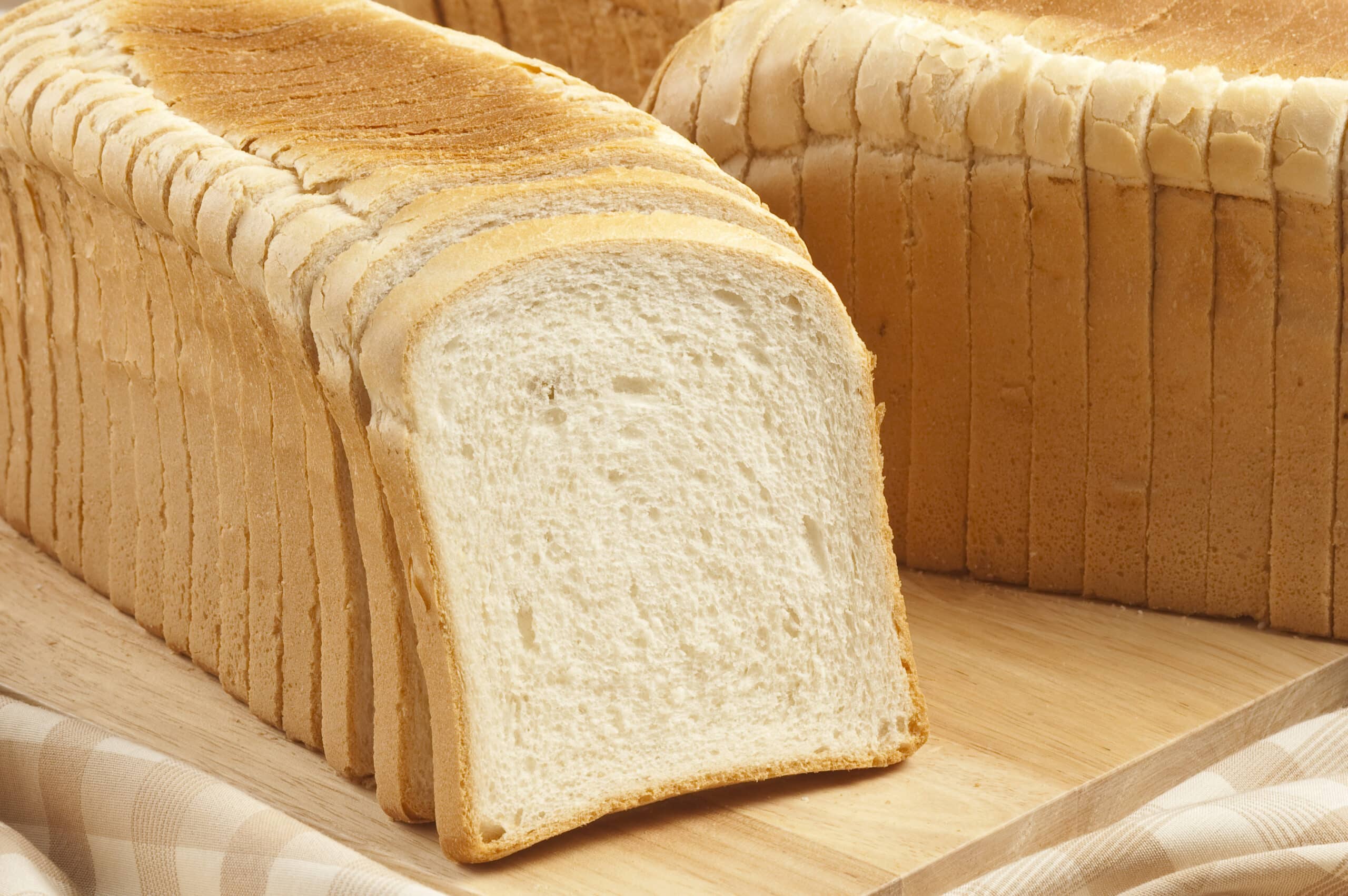
A recent study published in the journal Nutrients examined the link between diet and colorectal cancer (CRC) using data from more than 118,000 participants in the U.K. Biobank. The findings? Higher intakes of white bread and alcohol were associated with increased CRC risk, while nutrients like fiber, calcium, magnesium, phosphorus and manganese were linked to lower risk.
This may sound straightforward, but it’s not. Here’s what the study actually tells us — and what it doesn’t.
What the Study Found
The research identified several key associations:
- Higher intake of white bread and alcohol → linked to increased colorectal cancer risk
- Higher intake of fiber and key minerals → linked to reduced risk
At a high level, this aligns with existing nutrition science that siets high in fiber-rich foods support digestive health while excessive alcohol intake is a known cancer risk factor. No surprises there.
Why These Findings Need Context
Before you swear off sandwiches, it’s important to understand how nutrition research works and where it falls short.
1. Correlation is Not Causation
In the world of science, an association is not the same as a cause. This study didn’t prove that white bread causes cancer; it simply noted that in this specific group of people, those who ate more of it, had a higher risk.
This doesn’t account for “confounding variables” like lifestyle habits, overall diet quality or socioeconomic factors that often overlap with specific food choices.
2. Too Many Variables, Not Enough Focus
The study analyzed 139 different foods and nutrients. That’s a lot.
When researchers test that many variables at once, the likelihood of finding statistically significant results by chance alone increases. Without a strong, hypothesis-driven approach, some findings may be more noise than signal.
3. Self-Reported Diet Data Has Limits
Like many large-scale nutrition studies, this one relied on self-reported dietary intake. As humans, we are famously bad at this. Furthermore, short-term dietary snapshots don’t always reflect a lifetime of eating habits, which is what truly matters when discussing a disease like cancer that develops over decades.
4. Small Effect Size, Big Headlines
While the findings were statistically significant, the effect size was relatively small.
In plain English: the increased risk linked to specific foods wasn’t dramatic.
That doesn’t make the study useless, but it does mean the results should be interpreted carefully, especially without a clear biological explanation (as is the case with white bread).
The Bigger Picture: Diet Patterns Matter More Than One Food
Here’s the part that often gets lost: Health outcomes, especially something as complex as colorectal cancer, are driven by overall dietary patterns, not single foods.
A dietitian’s take:
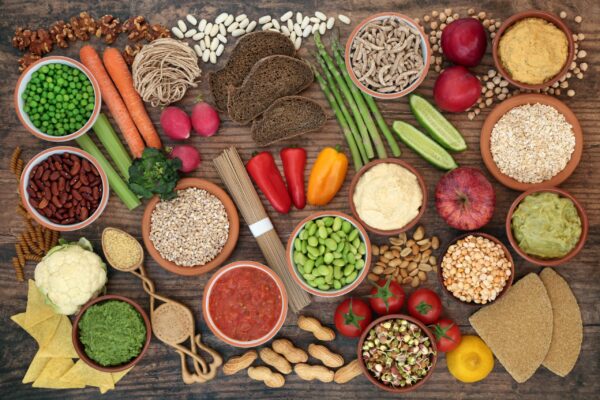
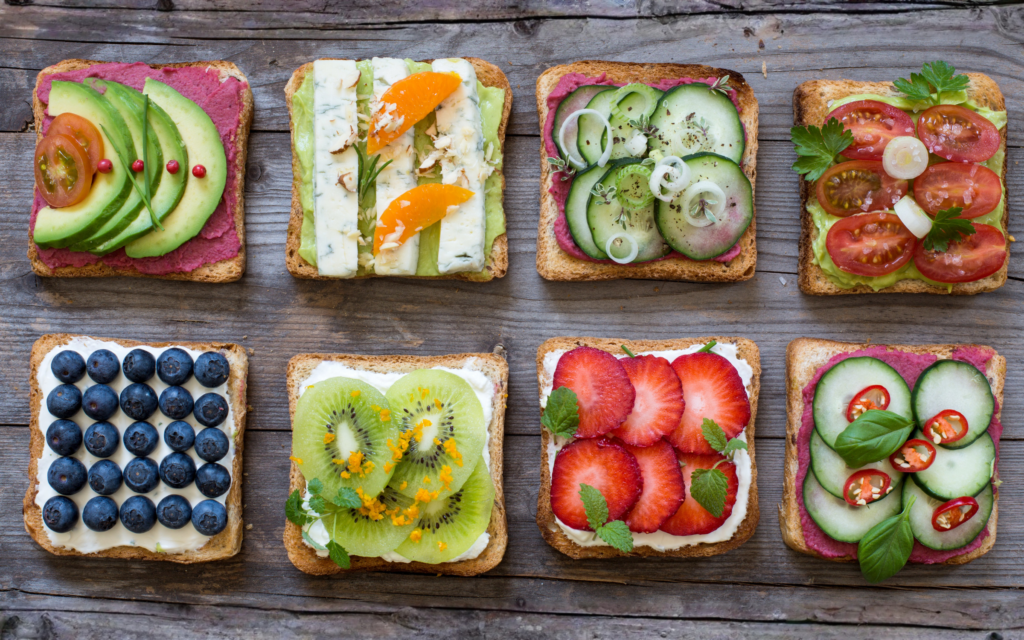
- A diet rich in fiber, fruits, vegetables and whole grains supports colon health
- Adequate intake of key nutrients like calcium and magnesium matters
- Limiting excess alcohol is important
So, should you stop eating white bread?
No, there’s no strong evidence from this study that white bread alone meaningfully increases colorectal cancer risk when consumed as part of a balanced diet.
In fact, enriched grain foods (like white bread) provide important nutrients, including folic acid and other B vitamins. If you enjoy a sandwich on white bread, make it work for your health by loading it with fiber-rich veggies and lean protein. When it comes to nutrition, balance and context will always beat a restrictive fad.
This blog post is written in response to the following article and study.