
Grain Servings
Grain foods are one of the five major food groups and play an important role in a balanced, healthy eating pattern. Breads, cereals, pasta, rice and more are consistently associated with better diet quality and improved intake of essential nutrients in both children and adults.
Research shows that commonly consumed grain foods contribute meaningful amounts of folate, iron, thiamin, niacin and dietary fiber in children’s diets.
In adults, foods like pasta, cooked cereals and rice are associated with lower total fat and saturated fat intake. In short: grain foods don’t just fill the plate — they help fill nutrient gaps.
How Much Grain Should You Eat Per Day?
The American Heart Association and the Scientific Report of the 2025 Dietary Guidelines Advisory Committee recommend eating 3 to 6 ounce-equivalents of grains per day on average, with at least half coming from whole grains.
The exact amount depends on age, gender and activity level:
Many of these nutrients are under-consumed by Americans, making grain foods an important contributor to overall diet quality.
What Is an Ounce-Equivalent of Grains?
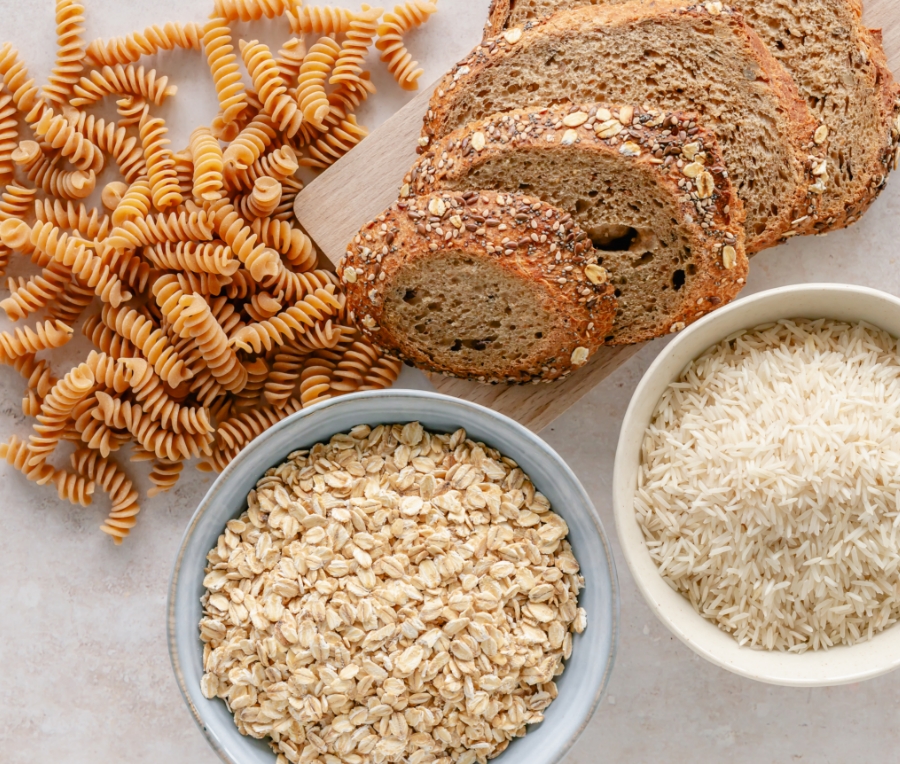
One ounce-equivalent grains equals:
1 slice of bread
1 cup of ready-to-eat cereal
½ cup cooked pasta or rice (1 oz. dry)
Tracking ounce-equivalents makes it easier to meet daily grain recommendations without overcomplicating meal planning. Here’s a look at what a one-ounce equivalent looks like for common grain foods you already enjoy.
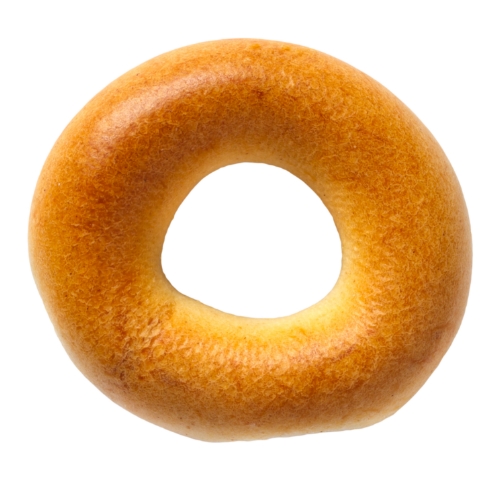
1 mini bagel
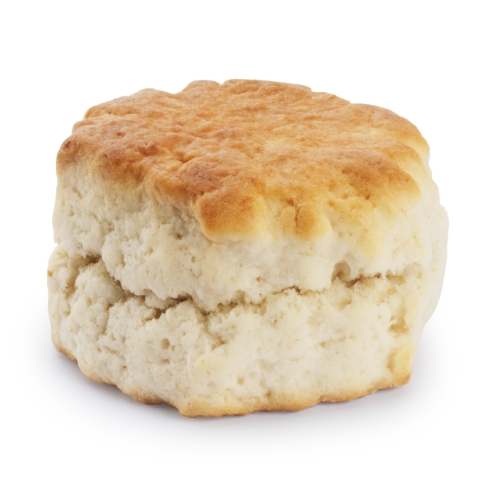
1 small biscuit
(2” diameter)
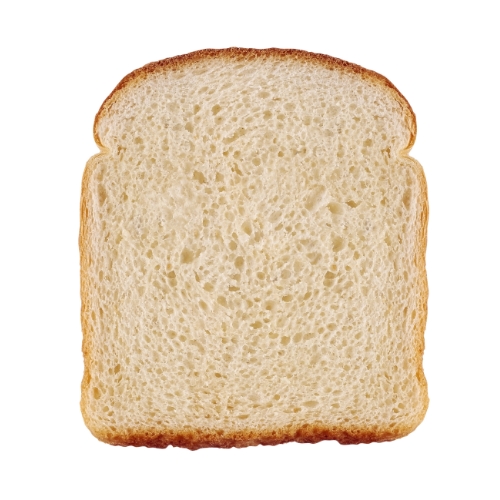
1 small slice white bread
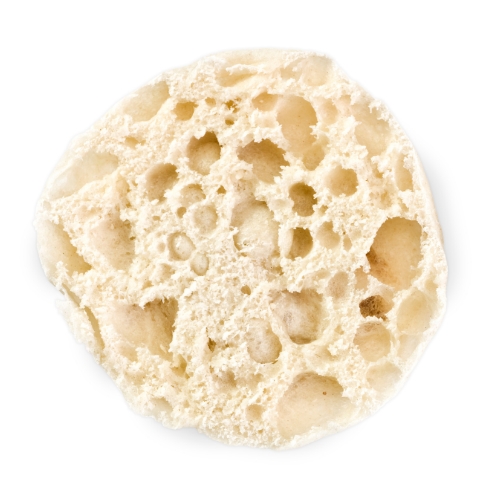
½ English muffin
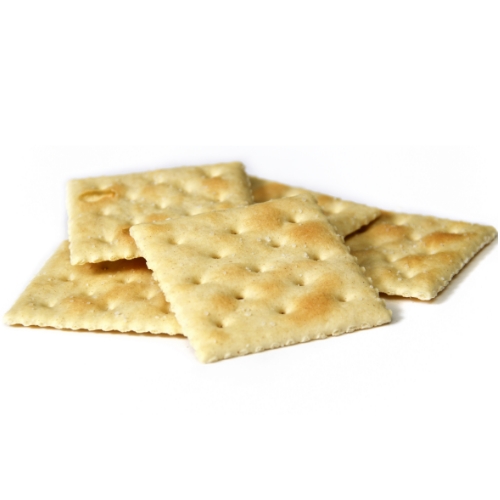
7 saltine or snack crackers

1 small muffin
(2.5” diameter)

2 small pancakes
(3” diameter)
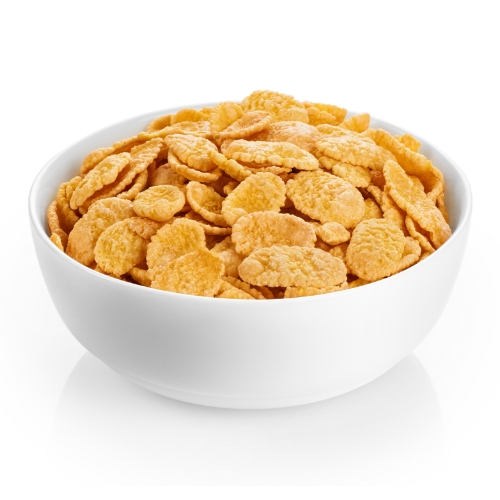
1.25 cups ready-to-eat cereal
(corn flakes or puffed rice)
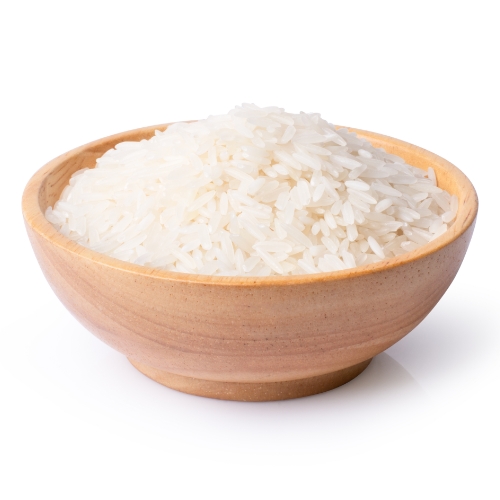
1 oz. dry white rice
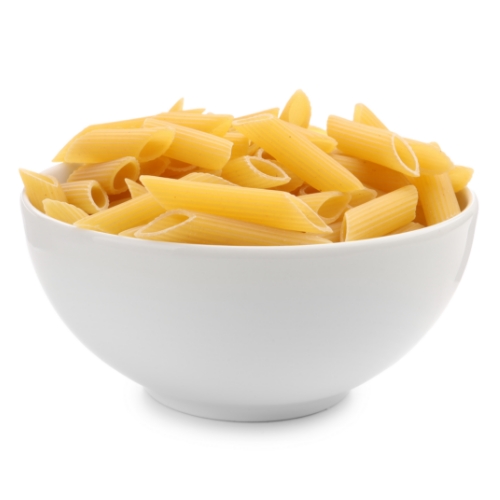
1 oz. dry pasta
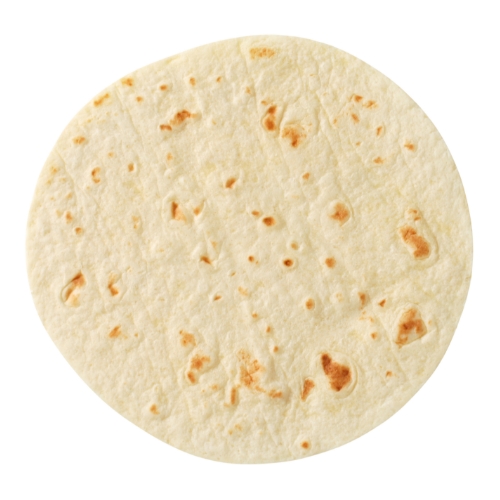
1 flour or corn tortilla
(6” diameter)
Whole Grains and Refined Grains: Finding the Right Balance
Dietary guidance recommends that at least half of the grains consumed come from whole grain sources. Whole grains provide more fiber and naturally occurring nutrients because they contain all parts of the grain kernel. However, fewer than 8% of Americans meet the minimum whole grain recommendation.
That’s where enriched grains play an important role. Most refined grain foods are enriched with essential vitamins and minerals, including iron and B vitamins, that support overall health.
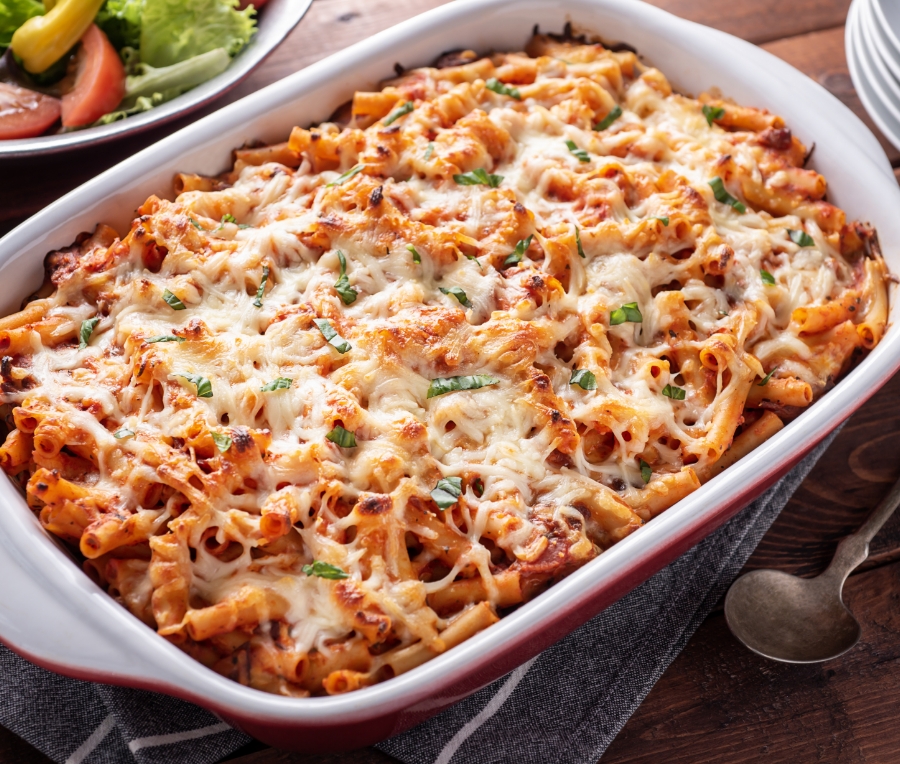
A healthy diet includes a mix of both:
Choose whole grain bread, pasta, oats, brown rice and whole grain cereals regularly.
Include enriched grain foods to help meet nutrient needs, especially if certain whole grain options aren’t preferred.
For example, a child may prefer iron-fortified white bread for sandwiches but enjoy whole grain pasta at dinner. That still supports the goal of making half of daily grains whole.
Easy Ways to Meet Your Daily Grain Servings
Grain foods fit naturally into meals throughout the day:

Sandwiches
A simple sandwich made with whole or enriched grain bread, lean protein, vegetables, and cheese can provide balanced nutrition with fewer calories, fat, and sodium than many typical lunch options.
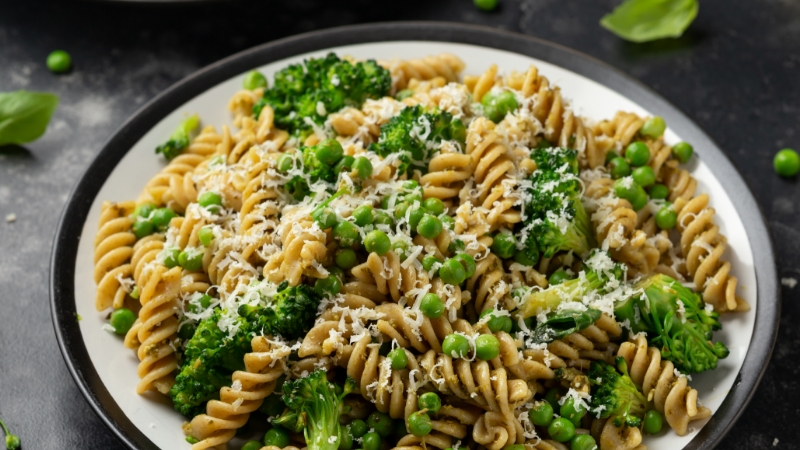
Pasta Dishes
Pair a mix of whole and enriched grain pasta with a vegetable-rich sauce, lean chicken or beef, and a sprinkle of cheese for a complete, satisfying meal.
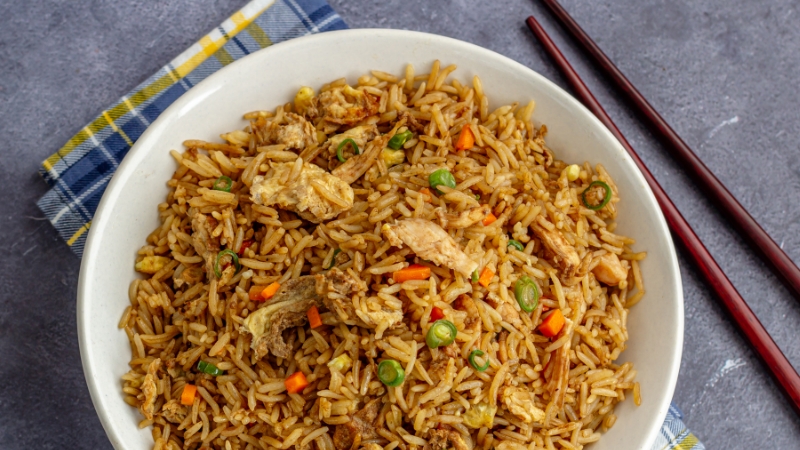
Rice Bowls and Stir-Fries
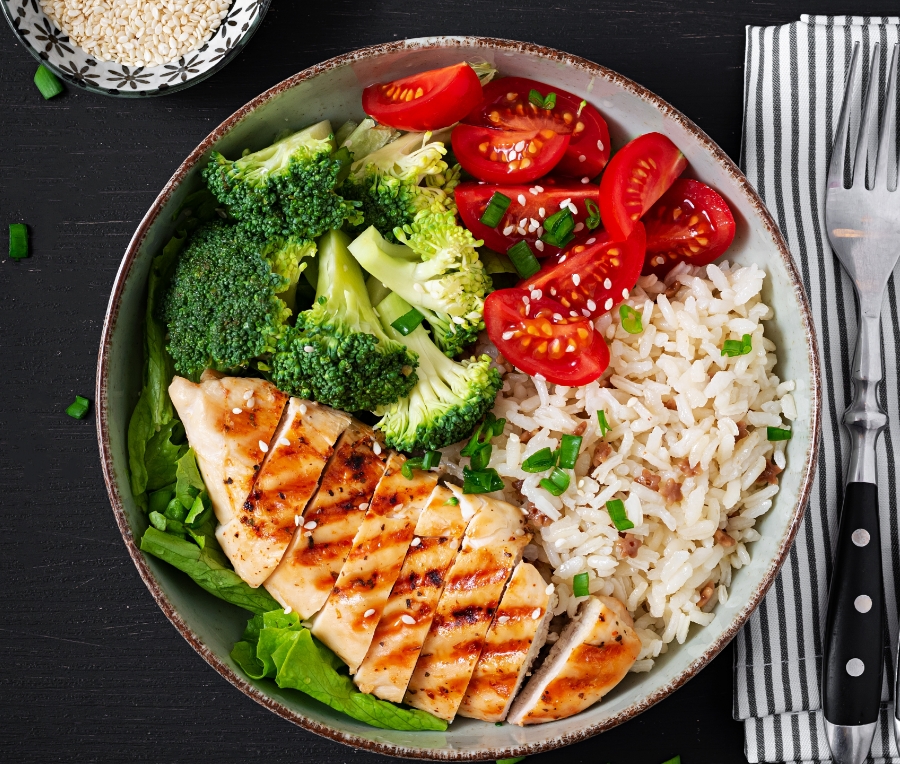
Rice provides a versatile base for colorful vegetables and lean proteins. Stir-frying preserves flavor without adding excessive fat.
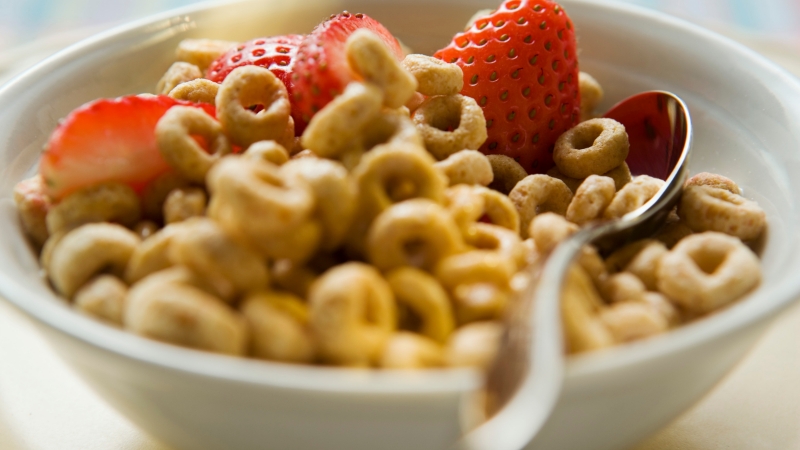
Cereal and Oatmeal
Top cereal or oatmeal with low-fat milk and fresh or frozen fruit for a nutrient-dense breakfast that supports daily grain and fiber intake.
What About Treats?
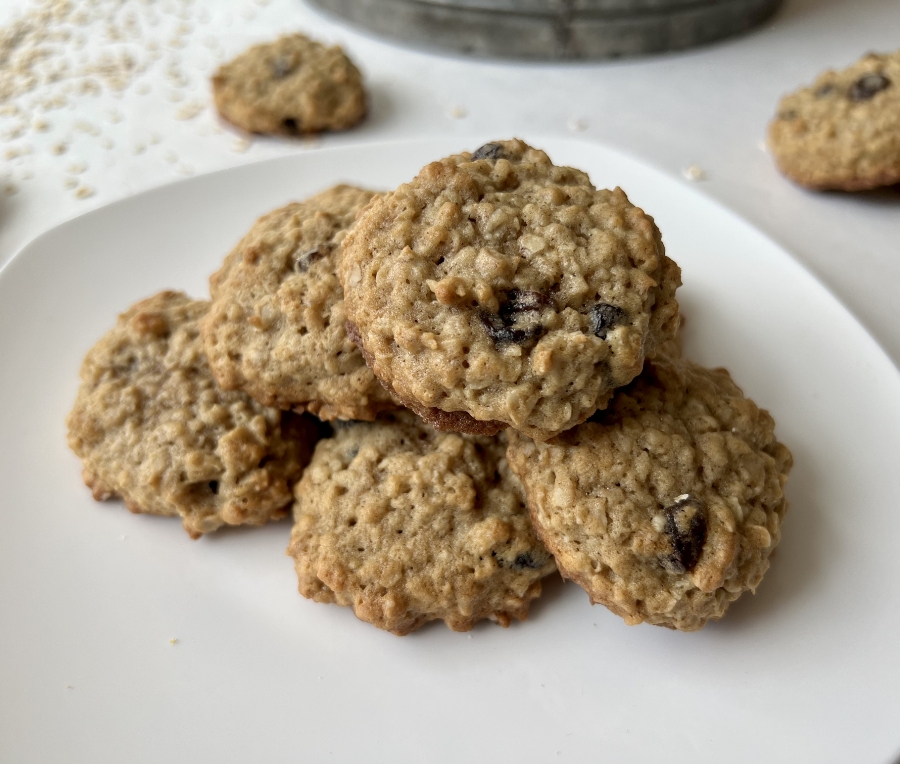
Indulgent grain-based foods that are higher in added sugars and saturated fats, like cookies, cakes and some snack foods, should be enjoyed in moderation. They don’t need to be eliminated entirely. They can fit into a healthy eating pattern as occasional treats.
Because grains are widely consumed and accessible, they remain one of the most effective ways to deliver essential nutrients across all age groups. Choosing a balanced mix of whole and enriched grains helps support nutrient intake, diet quality and overall health — one serving at a time.