
Support women’s heart health at every age with balanced nutrition and smart lifestyle habits. Learn how grains contribute essential nutrients and how exercise and stress management play a role.
Heart health isn’t just something to think about later in life. It’s something to build every day.
For women, the risk of heart disease increases with age, making nutrition, lifestyle and daily habits more important than ever. The good news: many of the most impactful changes are also the most practical: starting with what’s on your plate.
A balanced eating pattern that includes grain foods, along with lean protein, fruits, vegetables and healthy fats, plays a critical role in supporting heart health and overall vitality as you age.
Why Heart Health Matters More as You Age
As women age, they need to pay special attention to heart health in order to stay healthy and vibrant. Heart disease is the number-one killer of all women — more than all cancers combined — especially for women over the age of 75. When women get heart disease, they are more likely than men to have poor outcomes, with an increased incidence of repeated cardiac events, heart failure and debilitation.
Preventing heart disease is the best strategy for women of any age, and prevention begins with lifestyle choices. Diet, exercise and stress management are essential elements to living a heart-healthy life.

Diet
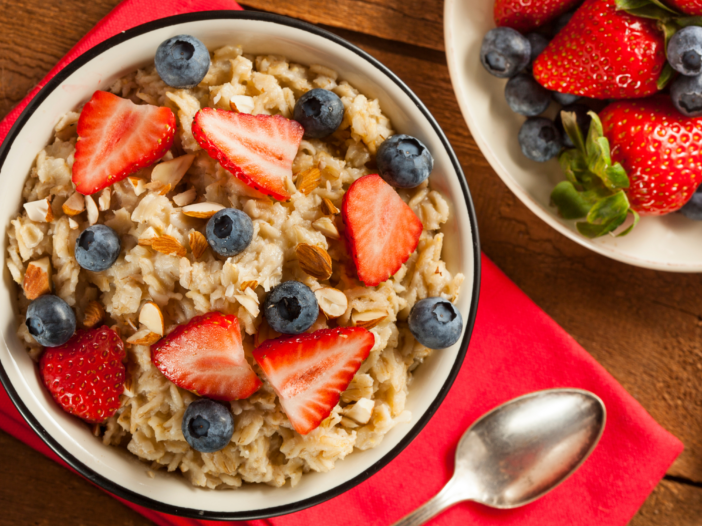
First, let’s consider diet because it is a powerful component aging with grace. The Mediterranean diet has been shown to reduce the incidence of cardiovascular disease by as much as 30%. A diet rich in fruits, vegetables, nuts, olive oil and whole grains provides the nutrients women need in a delicious and easy way. The vitamins and nutrients in whole grains include B-vitamins, magnesium, selenium, iron, folate and fiber, along with antioxidant and anti-inflammatory properties
In addition to the benefits found in whole grains, the oils in fish and olive oil that are common in a Mediterranean diet can help lower cholesterol, stabilize blood sugar, reduce incidence of obesity and decrease inflammation. Fruits and vegetables are also rich sources of antioxidants, vitamins and fiber. Together, these components of Mediterranean diet give women everything they need to ensure good nutrition and prevent heart disease by decreasing the incidence of heart attacks and strokes.
In one recent analysis whole-grain intake was linked to a reduction in cardiovascular disease and deaths. In many ways, diet is as effective as medication in preventing heart disease. That’s the power of food over the body — especially the heart.

Exercise
Exercise is also a critical part of the effort to prevent heart disease. Being physically fit is by far the greatest indication of vitality, with evidence showing that the more physically fit adults are, the more likely that they will continue to maintain their health. In fact, one study found that the most physically fit women have a reduction in cardiovascular death of about 30% over an eight-year period compared to those who are sedentary.
The American Heart Association recommends 150 minutes per week of moderate intensity exercise or 75 minutes per week of high intensity physical activity. It is clear, though, that more is better.
Although doing something is better than doing nothing, it may be necessary to do more than just take a stroll around the block to get the most heart benefits from exercise. You should aim to get your heart rate up to a level that makes it difficult to speak, without taking a breath, about five times per week. There is nothing more protective for your heart, and nothing fosters aging with vitality the way exercise does.

Stress Management
Finally, stress management stacks up right alongside diet and exercise in preventing heart problems. Managing stress is just as essential as eating well and exercising. When stress is unmanaged and becomes chronic, it often leads to other unhealthy behaviors that can impact heart health. We know that stress can cause people to overeat, eat unhealthy foods, smoke and drink too much. It can also prevent them from getting good-quality sleep, which can leave them too tired to exercise!
Stress increases certain hormones in the blood, such as epinephrine, norepinephrine, and cortisol (the so-called “stress hormones”) that can increase blood pressure, blood sugar and body weight. These stress hormones can also lead to inflammation in the blood vessels, a decrease in immune function and more heart disease. Many practices can help you manage stress — exercise, meditation, yoga, singing, dancing, talking with friends, walking in the park, knitting, laughing, playing cards or enjoying quiet time.
Choose whatever works best for you because a regular practice of stress management will help prevent the toxic burden that stress can place on the body. Even deep breathing can almost immediately dilate constricted arteries, lower blood pressure and decrease circulating stress hormones.
Lifestyle Changes
Heart disease is 80-90% preventable, simply through lifestyle changes that can help you improve your blood pressure, cholesterol and blood sugar levels, and help you avoid becoming obese, smoking, being sedentary, and following a poor diet. Making those lifestyle changes will protect the heart.
This is a recipe for aging gracefully. Living heart-healthy is the secret, and it will make all the difference. And, I promise you, it is never, ever too late to begin.
About the Author
Dr. Suzanne Steinbaum is an attending cardiologist and the director of women and heart disease of Lenox Hill Hospital in New York City. She has done fellowship training in both preventive cardiology and cardiology. Her recently released book, Heart Book: Every Woman’s Guide to a Heart Healthy Life, teaches all women how to lead the healthiest lives by living from the heart. She has been awarded a New York Times Super Doctor, and a Castle Connelly Top Doctor recognition for cardiovascular disease.