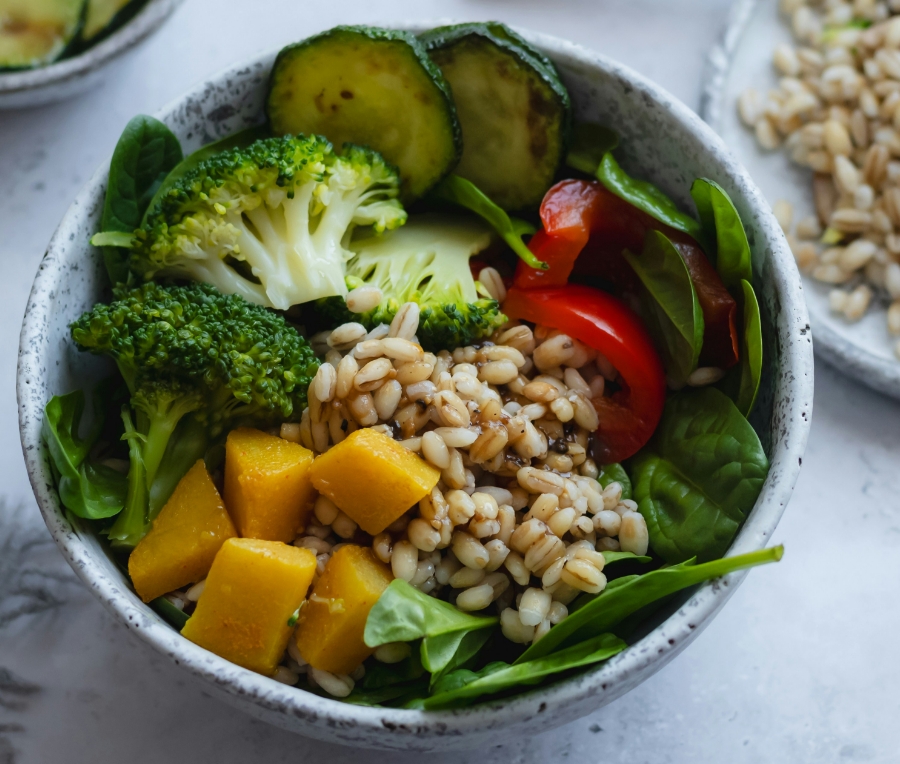

What are Grains?
Grains are everywhere – from the toast that starts the morning to the pasta that brings everyone to the table at dinner.

Grains show up in cultural traditions, family recipes and everyday meals around the world. Yet despite how familiar they are, grains are often misunderstood.
So, what exactly is a grain? And how do both whole grains and refined grain foods fit into a healthy lifestyle?
From Seed to Staple
Grains are the edible seed of certain grasses. Some of the most common grains include: wheat, oats, rice, corn, barley, millet and sorghum.
There are also pseudo-grains, which are not true grains but may be similar in appearance and nutrition. These include quinoa, buckwheat and amaranth, which have seen a resurgence in popularity as more Americans seek out diverse, nutrient-dense grain options.
All grain foods begin as whole grains, containing all three parts of the kernel (bran, germ and endosperm) in their natural proportions. From there, grains can be enjoyed in different forms depending on how they are processed and prepared.
Learn more about the milling process and the benefits of refining grains.
Grains
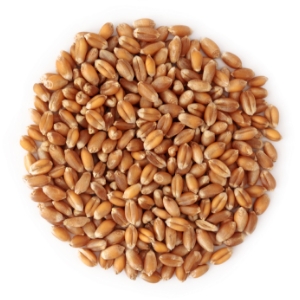
Wheat
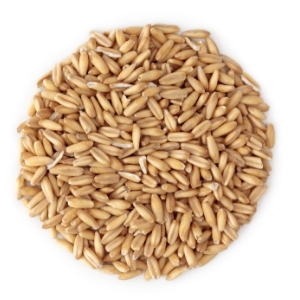
Oats
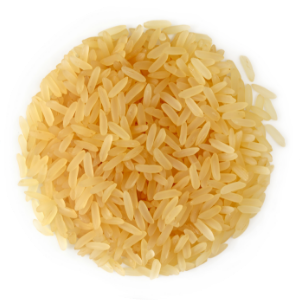
Rice
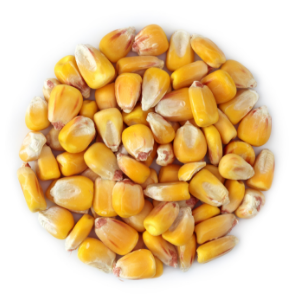
Corn
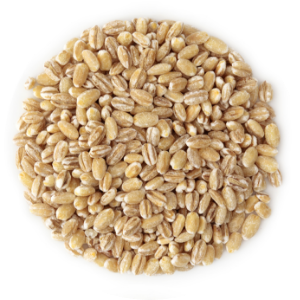
Barley
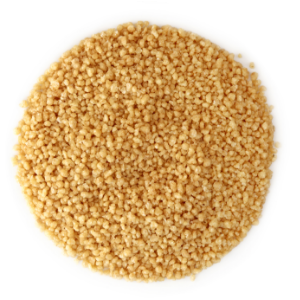
Millet
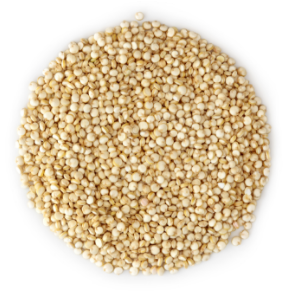
Sorghum
Pseudo-Grains
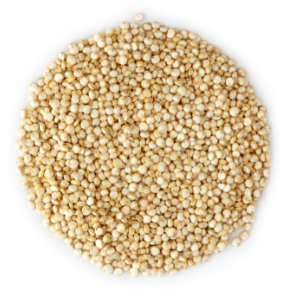
Quinoa
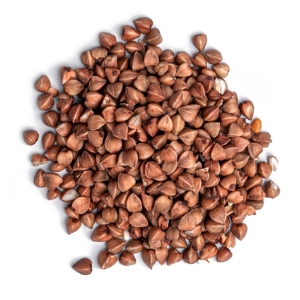
Buckwheat
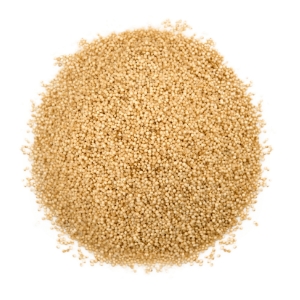
Amaranth
Whole Grains and Refined Grains: Understanding the Difference
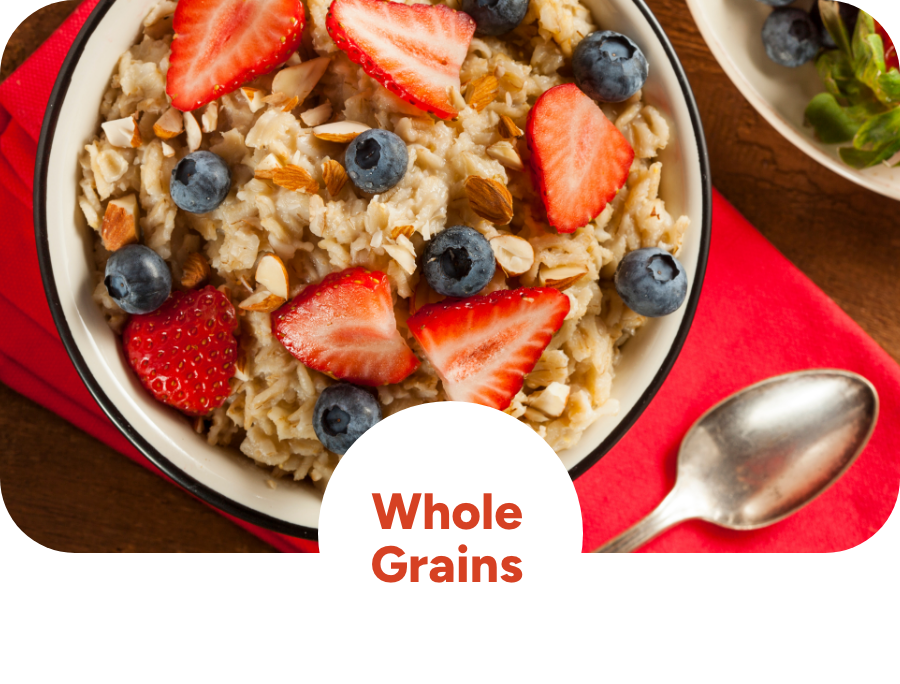
Whole grains contain the bran, germ and endosperm. Foods like oatmeal, brown rice, whole-grain pastas, whole-grain breads, whole-wheat flour, whole-grain cornmeal and whole-grain cereals are some examples of whole grain foods that provide fiber along with a range of vitamins, minerals and plant compounds.
When reading food labels, look for the words “whole grain” in the ingredient list or the Whole Grain Stamp.
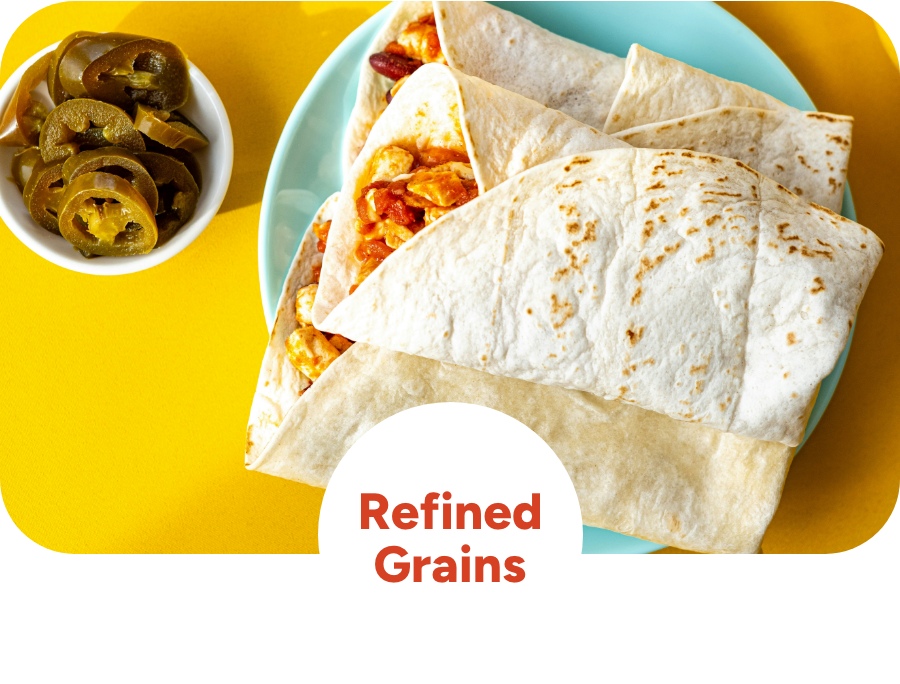
Refined grains are grains that have been milled to remove the bran and germ, leaving the endosperm. The milling process has existed for centuries and has evolved to meet important needs in the food system, including extending shelf life, enhancing food safety and creating consistent texture and taste.
Many familiar foods are made with refined grains, including white rice, traditional pasta, flour tortillas, some crackers and many breads. Refined grain foods can also be enriched or fortified to add important nutrients back during the milling process.
A Simpler Way to Think About Grains: Staple and Indulgent
While the conversation about grains often focuses on whole versus refined, another helpful way to think about grain foods is staple or indulgent.
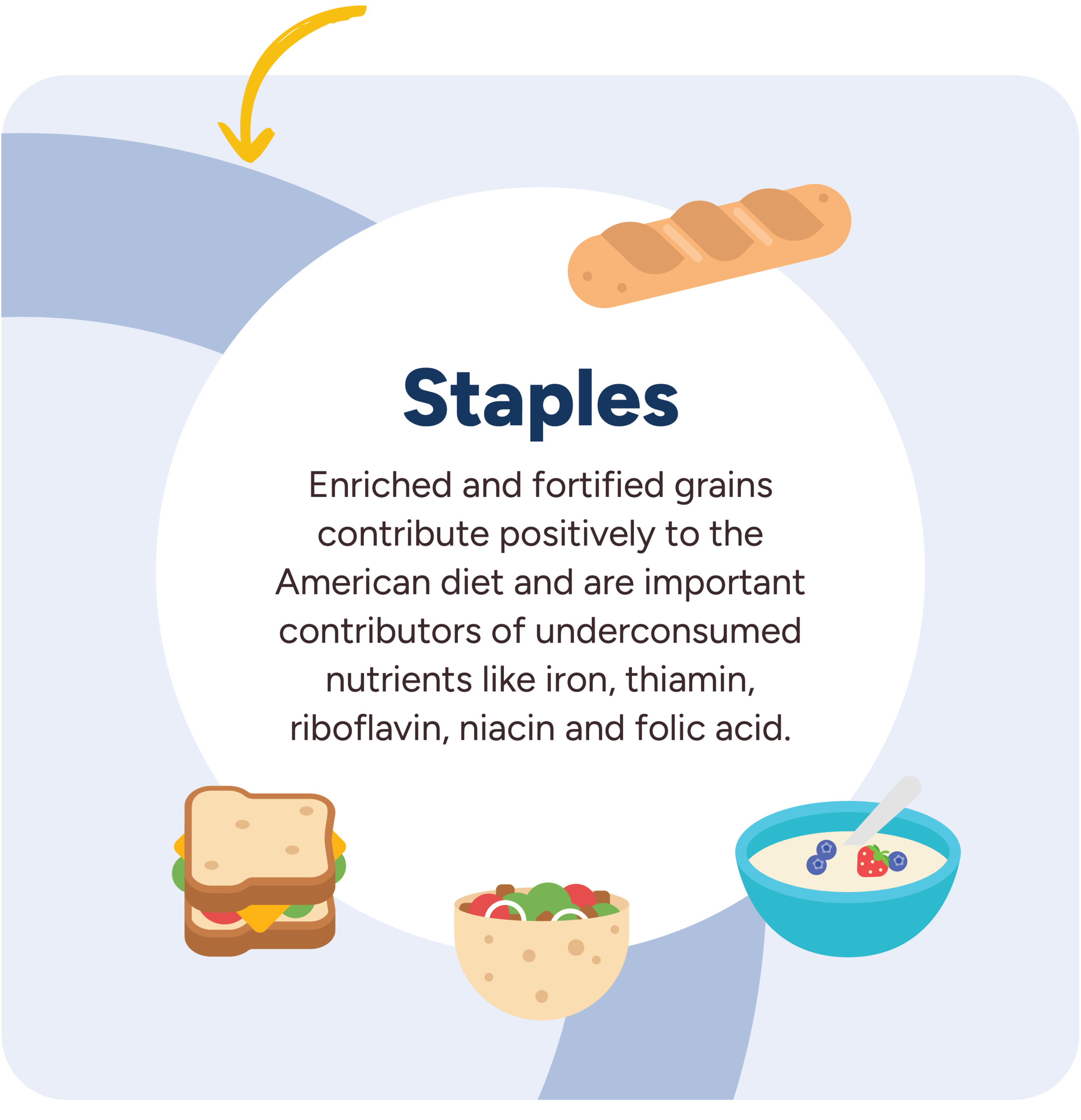
Staple grain foods are the everyday foods that form the base of meals. Bread, rice, pasta, tortillas and oatmeal are examples of grains that provide energy, nutrients and satisfaction with the added benefit of being a delicious carrier of fruits, vegetables, proteins and healthy fats.
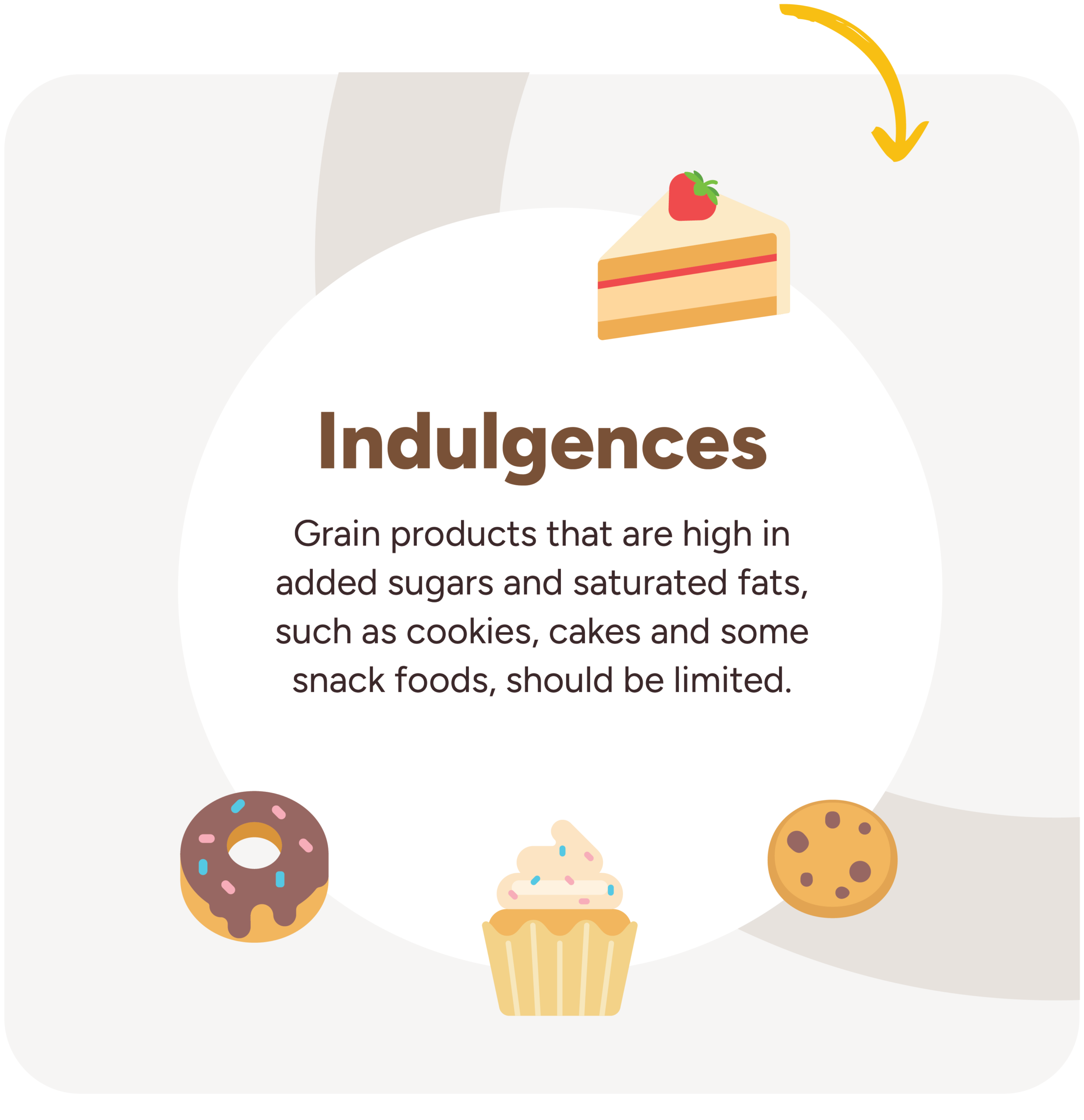
Indulgent grain foods, like cakes, cookies and pastries, play a different role. These foods are often tied to celebrations, traditions and enjoyment. They’re part of the broader grain food landscape, recommended to be consumed in moderation as part of a balanced eating pattern.
Think of Refined Grains in Two Categories
Grains in a Modern Eating Pattern
Healthy eating patterns work best when they’re balanced, enjoyable and easy to maintain over time. Grain foods support all three.
They provide energy to fuel daily life, help deliver nutrients that many people need more of, and make meals satisfying and culturally meaningful. Since taste is one of the biggest drivers of food choices, grains help make nutritious eating enjoyable and achievable.
The goal is building nutritious meals that people can enjoy consistently over time.