Learn how much fiber is in your favorite foods, from whole grains to fruits and legumes. Discover simple ways to boost fiber intake, support gut health and close the fiber gap.
The truth is, most Americans aren’t eating nearly enough fiber. While we focus on protein goals and calorie counts, we’re missing the mark on the one nutrient that literally keeps our systems running. With rates of colorectal cancer on the rise and digestive issues becoming a constant topic of conversation, it’s no wonder that “Fibermaxxing”— the internet’s latest obsession with hitting high-fiber goals for gut health and longevity — has taken off.
If you’re ready to take a peak at how to actually hit those targets without living on a diet of beans, your pantry is the best place to start. Grain foods are the primary source of fiber for most people, but to “fibermax” effectively, you need to know which foods provide the most “bang for your buck.”
What is Fiber?
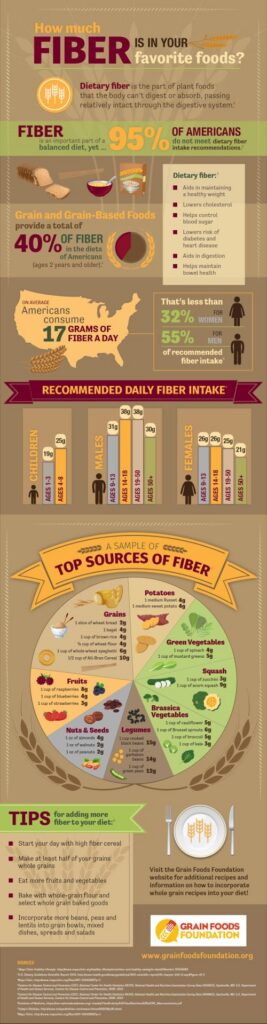
Dietary fiber is the part of plant foods that the body can’t digest or absorb, passing relatively intact through the digestive system. It’s an important part of a balanced diet, yet 95% of Americans do not meet dietary fiber intake recommendations of 25 to 34 grams per day. Grain foods provide a total of 40% of the fiber in most American’s diets.
Benefits of Fiber
- Aids in maintaining a healthy weight
- Lowers cholesterol
- Helps control blood sugar
- Lowers the risk of diabetes and heart disease
- Aids in digestion
- Helps maintain digestive and gut health
How Much Fiber is in Grain Foods?
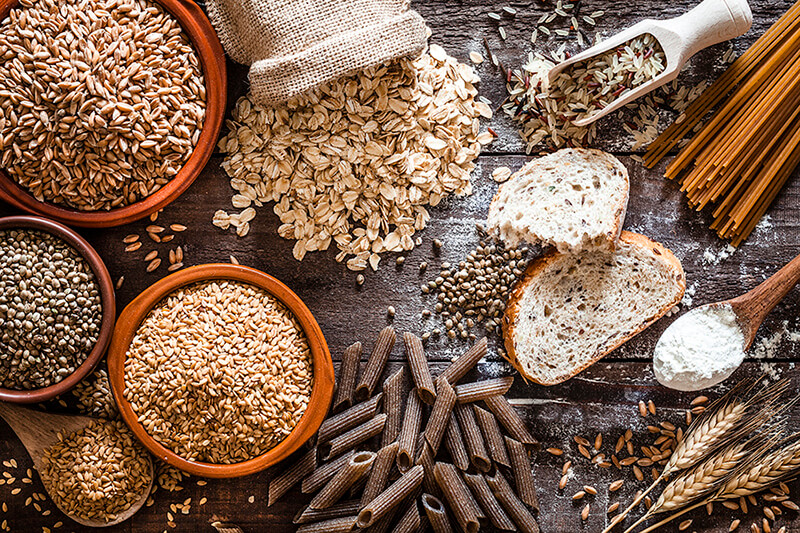
Grains, especially whole grains, are an incredibly efficient food group. Because they are affordable, shelf-stable and easy to pair with other foods, they are often the most consistent way to close the “fiber gap.”
Here’s a look at how much fiber is in a few of your favorite grain foods:
| Food Item | Serving Size | Fiber Content (Grams) |
| High-Fiber Bran Cereal | 1/2 cup | 10g |
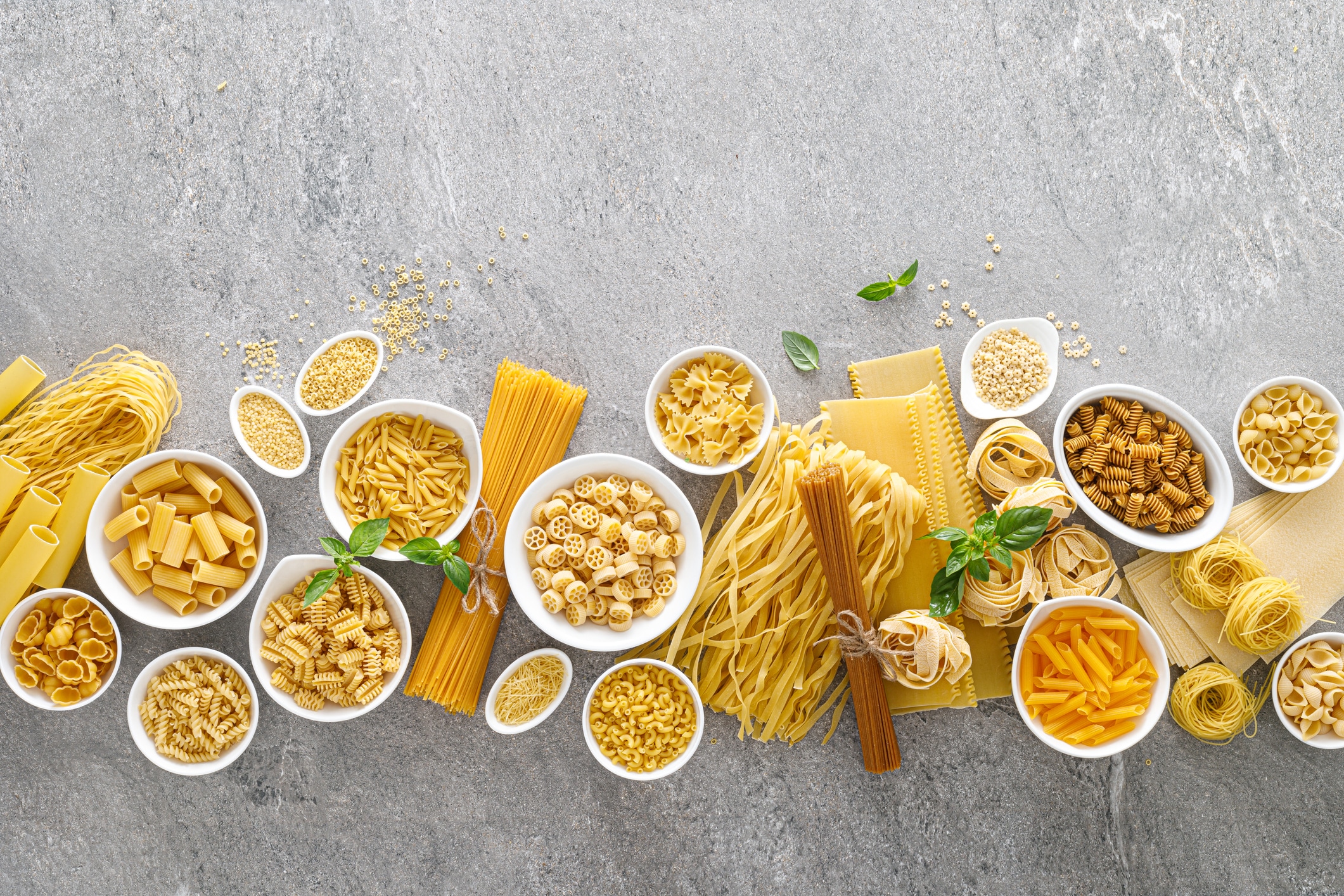
| Whole Wheat Spaghetti | 1 cup (cooked) | 6g |
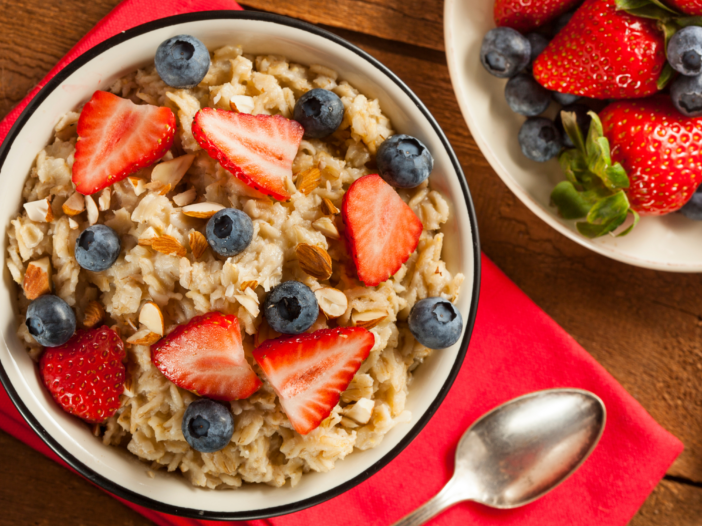
| Oatmeal | 1 cup (cooked) | 4g |
| Whole Wheat Bread | 1 slice | 2g |
| Brown Rice | 1 cup (cooked) | 4g |
| Enriched White Bread | 1 slice | 1g |
| Bagel | 1 whole | 4g |
| Wheat Flour | 1/4 cup | 4g |

How Grains Compare to Other Foods
You might be surprised to see how grains stack up against your favorite foods in terms of fiber density.
- Legumes: Lentils, beans and peas pack a fiber punch, offering about 12-15g per cup.
- Vegetables: A cup of cooked broccoli offers about 5g, while a medium baked potato (with skin) gives you about 4g. Generally, vegetables offer around 3-9g of fiber per serving.
- Fruits: A medium apple (with skin) provides 4.5g, and a cup of raspberries packs a massive 8g. Fruit is a great way to get more fiber, with some packing anywhere from 3-8g per serving.
- Nuts & Seeds: An ounce-serving of nuts contains 2-4g of fiber, while chia seeds pack a whooping 10g per 2 tablespoons.
To reach “Fibermaxxing” status, don’t choose one over the other. Combining a grain (like brown rice) with a legume (like black beans) creates a powerhouse meal that can provide over 50% of your daily requirement in one sitting.
3 Quick Ways to “Fibermax” Your Meals
- The Breakfast Boost: Swap your white toast for two slices of whole-wheat bread. You just doubled your fiber before you even finished your coffee. Top that toast with half of an avocado and add an additional 5g of fiber to your meal.
- The Pasta Pivot: Use whole-wheat spaghetti for hearty sauces. The nuttier texture holds up better against meat sauces and doubles your fiber intake. “Beef” up your sauce with whole or pureed beans or lentils to pack some additional fiber.
- The “Hidden” Grain: Add cooked barley or farro to your favorite canned soups. It adds a satisfying chew and a significant fiber punch that keeps you full for hours.
Closing the fiber gap isn’t just a trend, it’s a fundamental pillar of long-term health. You don’t need to track every single gram to see results; by simply keeping high-fiber grains like bran, oats and whole wheat in your rotation, you ensure your body has the fuel it needs to protect your colon and your heart.
Looking for a printable version of these fiber counts? Download the full Fiber in Foods Infographic.