Why are you always hungry? Discover how the fiber in grain foods acts as a natural “sugar brake,” keeping you full and satisfied. Learn the science of satiety and get answers to your top fiber FAQs.
We’ve all been there: You eat a quick breakfast, and by 10:30 AM, your stomach is already growling, and your energy is tanking. If you feel like you’re on a constant hunger rollercoaster, the culprit usually isn’t that you didn’t eat enough — it’s that you missed out on the “satisfaction factor.”
In the world of nutrition, that factor is fiber.
Whether you’re trying to manage your weight, stay focused at work or just stop the mid-morning snack raids, understanding how to use grains effectively is a total game-changer. Here is the breakdown of why fiber matters and the answers to the questions most people are too embarrassed to ask.
Why Fiber is the “Secret Ingredient” for Satiety
“Satiety” is just a fancy word for feeling full and satisfied. Fiber is the heavy lifter here because it doesn’t just pass through you, it changes how you digest your food.
- The Slow-Mo Effect: Fiber slows down the rate at which food leaves your stomach. Instead of a “sugar rush” and a crash, fiber-rich grains provide a slow, steady release of energy.
- The “Fullness” Signal: Fiber physically adds bulk to your meals. This triggers the stretch receptors in your stomach to send a signal to your brain that says, “Hey, we’re good here. No more food needed.”
- The Gut Connection: The fiber in whole grains feeds the beneficial bacteria in your gut, which can actually help regulate the hormones that control your appetite.
Fiber FAQs: Your Common Questions, Answered
There is a lot of noise out there about grains and fiber. Let’s clear up the most common points of confusion with some straight talk.
Do I only get fiber from fruits and vegetables?
Not at all! While produce is great, grain foods are the silent workhorses of the American diet. In fact, close to 40% of our daily fiber actually comes from refined grain foods like bread, cereal and pasta. If you cut out grains, you’re making it significantly harder to hit your daily fiber goals.
How much fiber do I actually need?
Most adults should aim for 25 to 38 grams per day. Unfortunately, most of us only get about half of that. Closing this gap is often as simple as choosing a high-fiber cereal or swapping white rice for a whole-grain blend once a day.
If I eat more fiber, will I get bloated?
If you go from zero to sixty, yes, you might feel some gas or bloating. The trick is to start slow. Increase your fiber intake gradually over a few weeks and make sure to drink plenty of water. Fiber needs water to move through your system effectively.
Are refined grains a waste of time for fiber?
Definitely not. While whole grains are the fiber gold standard, enriched refined grain foods are fortified with other “shortfall nutrients” like folic acid and iron. A healthy diet has room for both. Think of whole grains as your fiber foundation and enriched grains as your nutrient safety net.
What is the difference between soluble and insoluble fiber?
When you eat, your body breaks food into nutrients it can use, but fiber is different. It isn’t digested and stays mostly intact for its journey through your body.
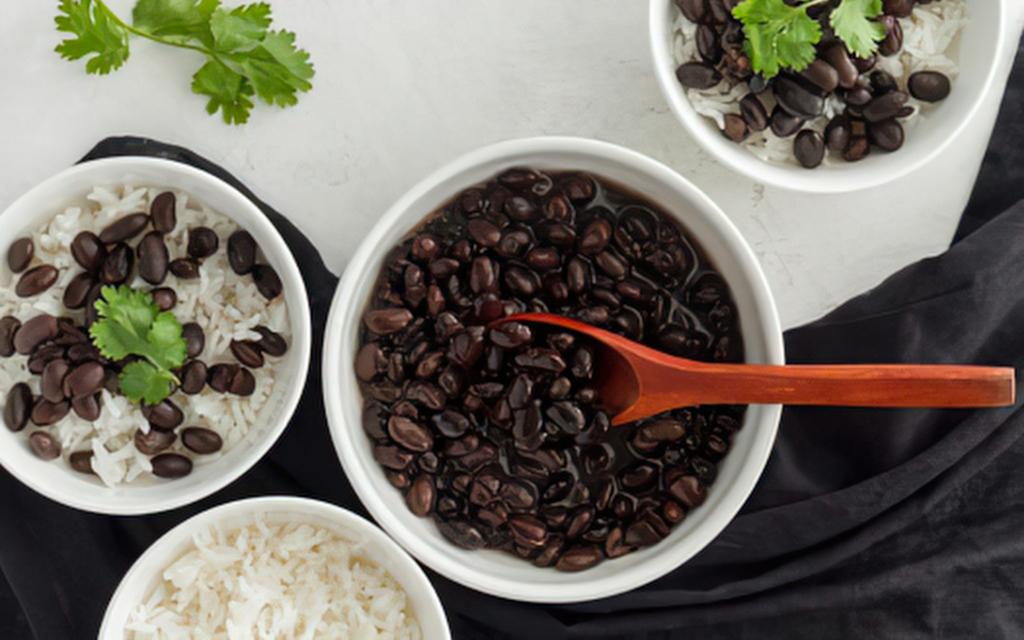
Soluble fiber dissolves in water, forming a gel that supports digestion and feeds beneficial gut bacteria. A healthy gut is linked to benefits like improved weight management and lower risk of conditions such as diabetes. Apples, barley, beans, oats and citrus are all good sources of soluble fiber.
Insoluble fiber doesn’t dissolve. Instead, it absorbs water and adds bulk to stool, helping promote regular, healthy digestion and preventing constipation. Wheat-based grain foods, nuts, vegetables and berries are all good sources of insoluble fiber.
Both types are needed for digestion and a healthy gut.
Why should I choose fiber-rich foods over fiber supplements?
The simple answer is because fiber-rich foods provide more than just fiber. Grains, fruits, vegetables and beans also contain vitamins, minerals and plant nutrients (called phytonutrients) needed for good health. Fiber supplements may also bind with some minerals, such as calcium, magnesium and iron, so try to get fiber from foods, not supplements.
Are whole grains higher in fiber than other grains?
Not always. For example, bran cereal is one of the highest fiber cereals (think All Bran, Fiber One or Bran Flakes). Yet bran cereals aren’t always whole grain cereals (a whole grain cereal contains all three parts of a grain: the outer bran layer, the inner endosperm and the germ).
On the other hand, some grains that sound like they are high in fiber might not be. Consider a bread labeled “multi-grain.” It might contain several grains, but none of them might be whole grains. So, be a savvy label reader and check the ingredient list and the grams of dietary fiber per serving.
How helpful is the food label in identifying fiber in foods?
The nutrition facts panel currently lists “dietary fiber” as a total of fibers in the food. It doesn’t differentiate between soluble and insoluble fibers. Current health claims define a food as a “good source” of fiber if it contains 2.5 grams of fiber per serving and an “excellent source” has to contain at least 5 grams of fiber per serving.
What are some easy ways to increase dietary fiber?
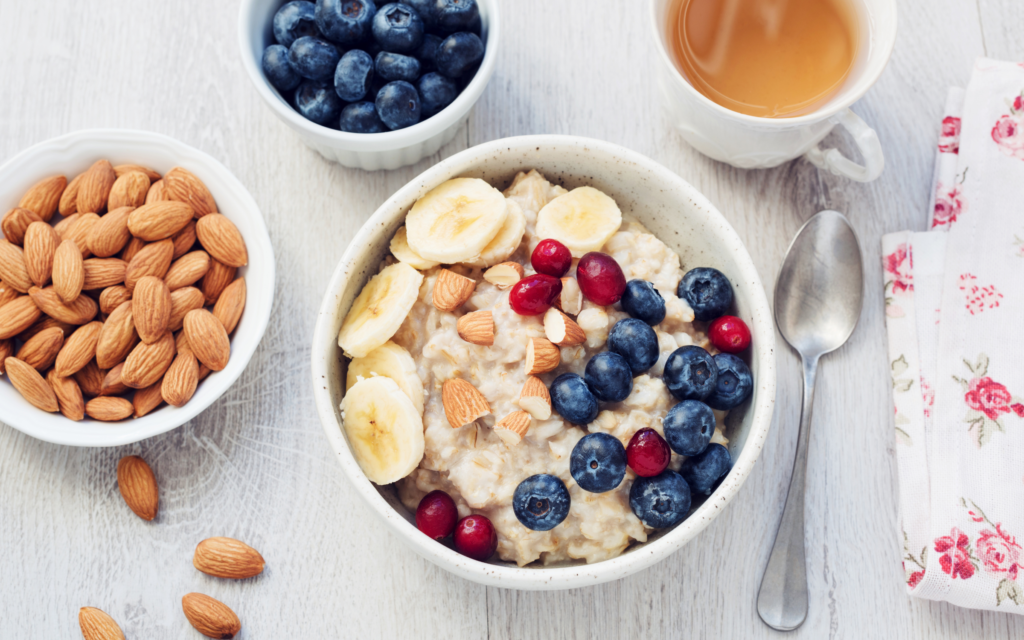
- Add a high fiber cereal. Mix a high fiber cereal with your favorite cereal. Add fruit, like berries or bananas, and chopped nuts to start the day with a fiber-packed, nutrient-rich meal.
- Keep the peel! Clean veggies and fruits under running water instead of peeling them. Cooking potatoes or carrots with the peel can boost fiber and add a nice texture to items like mashed potatoes, potato salad or roasted carrots.
- Choose fiber-rich snacks. Fresh fruits and veggies, nuts or whole grain crackers with hummus are all great options.
- Swap in whole grains. Try substituting some of the flour in baked goods with whole wheat flour. Or, swap in whole wheat pasta or brown rice for a boost of fiber.
- Add beans and legumes. Black beans, kidney beans, edamame, chickpeas and lentils are rich in fiber and can be used in a variety of dishes to boost fiber intake.
Fiber isn’t just about “staying regular.” It’s about fueling your life without being distracted by hunger every two hours. By making grains a staple in your kitchen, you’re choosing a path to better energy, better gut health and a much more satisfied stomach.