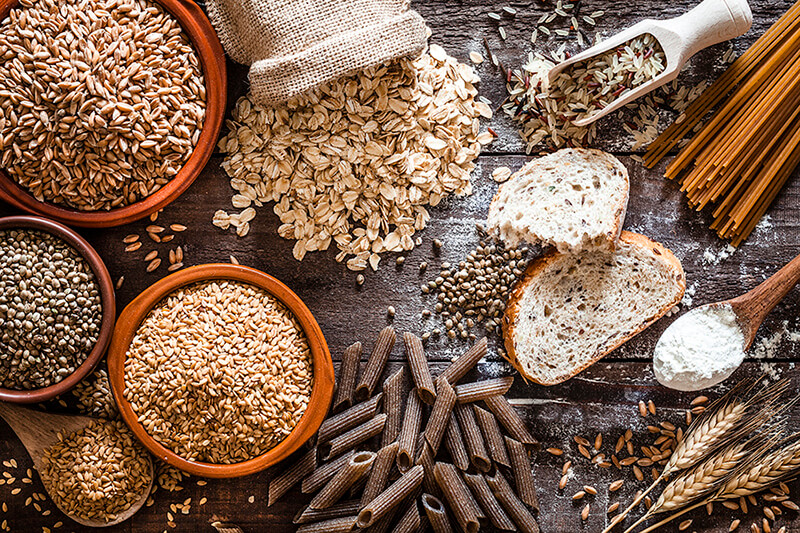
Are grains empty calories? Discover the nutrition in grains, including fiber, protein and key vitamins, and learn how they support a balanced diet.
Grain foods play an important role in the American diet, delivering essential nutrients while contributing a relatively small share of total calories.
Despite common misconceptions, the data shows that grains provide meaningful nutritional value. Understanding what grains contribute can help put their role in a balanced diet into perspective.
Grains Deliver More Than Calories
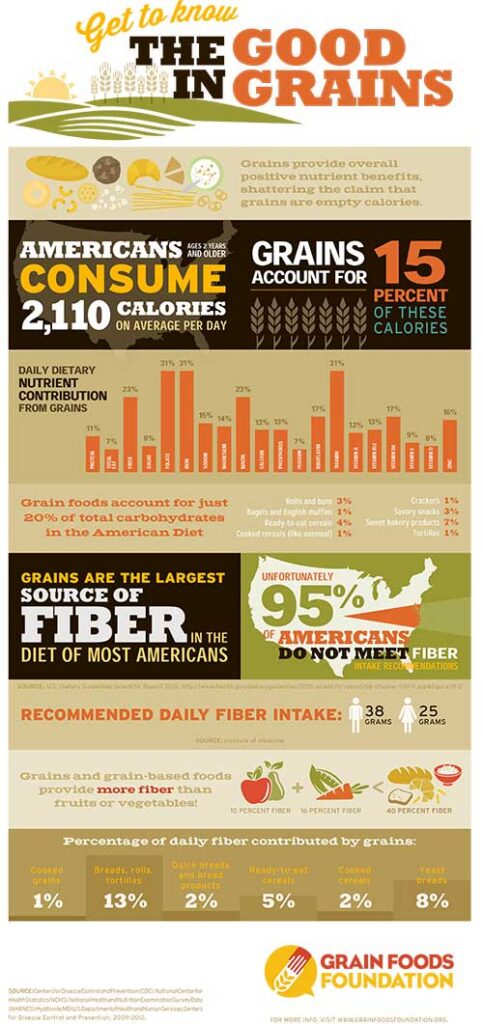
On average, Americans ages two and older consume about 2,110 calories per day. Grain foods account for roughly 15% of those calories, yet they contribute a wide range of essential nutrients.
Grains provide:
- 31% each of thiamin, folate and iron
- 23% each of dietary fiber and niacin
- 17% each of riboflavin and vitamin B6
- 16% of zinc
- 14% of magnesium
- 13% each of vitamin B12, calcium and phosphorus
- 12% of vitamin A
- 11% of daily protein intake
They also contribute smaller but meaningful amounts of potassium (7%), vitamin E (9%) and vitamin D (8%).
This nutrient-to-calorie ratio highlights the role grains play in supporting overall diet quality.
A Leading Source of Fiber in the American Diet
Fiber is one of the most underconsumed nutrients in the U.S. The National Academy of Medicine recommends 30-38 grams per day for men and 21-25 grams per day for women. Yet about 95% of Americans do not meet these recommendations.
Grain foods help close that gap, providing approximately 40% of total dietary fiber intake, making them the largest source of fiber in the American diet. By comparison, fruits contribute about 10% and vegetables about 16%.
Different grain foods contribute fiber in varying amounts:
- Breads, rolls and tortillas provide about 13%
- Yeast breads contribute 8%
- Ready-to-eat cereals provide 5%
- Cooked cereals and other grain foods contribute smaller amounts
Including a variety of grain foods can help increase fiber intake and support digestive and metabolic health. Pair them with fruits and veggies for an extra boost of fiber!
Essential Nutrients for Everyday Health
In addition to fiber, grain foods provide nutrients that support key functions in the body. These include:
- B vitamins such as thiamin and niacin, which support energy metabolism
- Iron, which helps transport oxygen in the blood
- Magnesium, which supports muscle and nerve function
- Folate, which is important for cell growth and development
Grain foods provide a combination of nutrients that support overall health, including fiber, protein, vitamins and minerals. Including a variety of grain foods as part of a balanced eating pattern is a practical way to support nutrient intake and overall diet quality.
Download the Get the Know the Good in Grains infographic for more information.