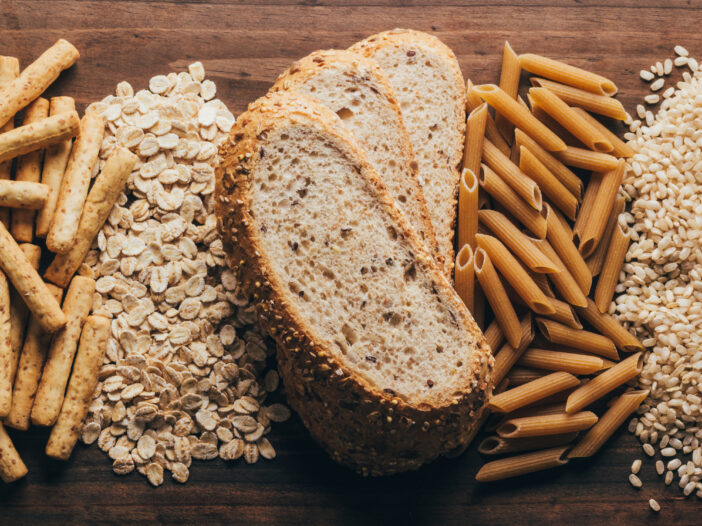
Research suggests that healthy grain foods are defined by more than whether they’re whole or refined. Nutrient density, fiber and essential nutrients all play an important role in supporting healthy eating patterns.
For years, discussions about grain foods have often focused on one question: Are they whole grain or refined grain? More recently, attention has shifted to whether foods are processed or ultra-processed. These categories might be familiar or even trendy, but they don’t tell the whole story – or maybe even the most important story.
In the middle of these debates, something has been missing: a way to evaluate grain foods based on their overall nutritional value – not just how they’re made.
A study published in Nutrients offers a fresh perspective. Instead of focusing on processing alone, researchers identified “healthy grains” based on what they contribute nutritionally, including whole grains, fiber, vitamins and minerals, and lower amounts of added sugar.
The result? A more practical way to think about grain foods. One that reflects how nutrition professionals evaluate foods and how people actually eat.
Nutritional Value Matters More Than Processing Alone
Most grain foods are processed in some way. Oats are rolled, wheat is milled into flour and bread is baked. Processing doesn’t determine whether a food is nutritious.
Many grain foods provide nutrients Americans are encouraged to consume more often, including dietary fiber, iron, folate and several B vitamins. Some of these nutrients are naturally present in grains, while others are added through enrichment and fortification to help support nutrient adequacy across the population. In fact, some foods often labeled “ultra-processed,” such as whole grain breads and fortified breakfast cereals, can provide these important nutrients.
This research asks a different question: Which grain foods provide the most nutritional value?

What Makes a Grain Food “Healthy”?
Researchers analyzed 1,244 grain foods consumed by more than 16,000 American participating in the National Health and Nutrition Examination Survey (NHANES), a federal survey that provides a snapshot of what Americans eat and how diet relates to health.
They used two complementary scoring systems to identify grain foods with the greatest nutritional value. The Carbohydrate Food Quality Score (CFQS-3) focused on carbohydrate quality and favors foods with more whole grains and fiber and less added sugar. The Nutrient Rich Food Index for Grain Foods (NRF9.3g) evaluates nutrient density, considering nutrients commonly provided by grain foods, including protein, fiber, iron, folate, magnesium and B vitamins, while limiting added sugar, sodium and saturated fat.
Together, these approaches provide a more complete picture of “healthy grains.” The highest-scoring foods tended to:
- Contribute positively to overall diet quality
- Provide important nutrients like iron, folate and B vitamins
- Contain whole grains and fiber
- Be lower in added sugar
In other words, grain foods provide many of the nutrients Americans are not getting enough of, painting a broader and more practical picture of what healthy grain foods can look like.
What Are Healthy Grain Foods? According to the study, healthy grain foods are those that provide whole grains, fiber, vitamins and minerals while limiting added sugar. Examples include oatmeal, brown rice, whole grain pasta, whole wheat bread, enriched breads, lower-sugar fortified cereals and whole grain crackers.
Examples of Higher-Scoring Healthy Grain Foods
Healthy grain foods span a much wider range than you might expect.
Here’s a look at some of the higher-scoring healthy grain foods you likely already enjoy.
| Category | Examples |
| Cooked grains | Brown rice, quinoa, whole grain pasta |
| Hot cereals | Oatmeal and other cooked cereals |
| Breads and rolls | Whole wheat bread and enriched breads |
| Breakfast cereals | Lower-sugar fortified cereals |
| Crackers | Whole grain crackers |
| Savory snacks | Higher-fiber options |
| Snack bars | Fortified, higher-protein varieties |
Foods that scored lower tended to be sweet bakery products and grain foods high in added sugars and low in fiber.

What Healthy Grain Foods Mean for Everyday Eating
1. Healthy grain foods support healthy eating patterns.
Whole grains are important, but they aren’t the only thing that matters. Nutrients like iron, folate and B vitamins matter, too. That means foods such as enriched breads and fortified cereals can play an important role in helping people meet nutrient needs.
2. Healthy eating isn’t all-or-nothing.
Rather than labeling grain foods as “good” or “bad” or simply “processed” or “less processed,” this research supports a more nuanced and balanced way of evaluating grain quality.
Ask questions like:
- Does it provide fiber?
- Does it contain whole grains?
- Is it lower in added sugar?
- Does it provide important vitamins and minerals?
The more “yes” answers, the better.
3. Healthy grain eaters had healthier diets overall.
People who consumed more healthy grain foods tended to:
- Have higher overall diet quality
- Eat more protein, fiber and important minerals
- Consume less added sugar, sodium and saturated fat
- Have lower fasting insulin levels
- Be less likely to be living with obesity
These findings suggest that healthy grain foods are part of broader healthy eating patterns.
4. Healthy grain foods can be affordable, too.
Another encouraging finding? Healthy grain foods weren’t more expensive. In fact, many nutrient-rich grain foods, including fortified options, cost the same or even less than lower-scoring foods. That’s good news for families looking to eat well while staying within a budget.

Simple Ways to Add More Healthy Grain Foods to Your Day
Rather than worrying about whether a grain food is “processed,” consider what it contributes to your diet.
At Breakfast
- Oatmeal topped with fruit
- Toast with peanut butter
- Lower-sugar fortified cereal with milk
At Lunch and Dinner
- Pasta with a tomato sauce
- Brown rice paired with chicken and vegetables
- Sliced bread with your favorite sandwich toppings
- Tortillas filled with lean protein, veggies and cheese
For Snacks
- Crackers with hummus
- Higher-fiber savory snacks like popcorn
- Fortified snack bars
No single grain food needs to do everything. Mixing a few different options throughout the day is an easy way to round things out.
Healthy Grain Foods Deliver More Than Carbohydrates
When it comes to healthy grain foods, nutritional value matters. This study suggests that grain quality is about more than whether foods are whole or refined or how much processing they undergo.
Healthy grain foods provide fiber, vitamins, minerals and other nutrients that support overall diet quality and metabolic health. Fortified and enriched grain foods can provide important nutrients such as iron, folate and B vitamins, and people who consumed more nutrient-rich grain foods tended to have higher overall diet quality and more favorable metabolic health outcomes.
Perhaps most importantly, healthy grain foods can be affordable and take many forms: from oatmeal and brown rice to enriched breads and fortified cereals. Rather than focusing on a single characteristic, this research supports a balanced approach that considers the full nutritional package a grain food provides.
When choosing grain foods, look beyond processing alone and consider the nutrients they contribute. Because when it comes to grain food quality, it’s what’s inside that counts.