
Are grains good for infants? Research shows grain consumption is linked to better nutrient intake, improved diet quality and broader food variety in infants.
Introducing solid foods is one of the most important stages of early development. Parents and caregivers often focus on what to include, but just as important is understanding what may be lost when certain foods are left out.
A new study recently published in Nutrients provides a clearer picture of the role grain foods can play in infant diets.
What the Research Shows
The study analyzed dietary data from U.S. infants and toddlers using the National Health and Nutrition Examination Survey (NHANES). The goal was to understand how grain consumption relates to nutrient intake, diet quality and overall eating patterns.
The findings were consistent across age groups. Infants who consumed grain foods had:
- Higher overall nutrient intakes
- Better diet quality scores
- Greater consumption of recommended food groups
This suggests that grain foods are not just a source of energy. They are part of broader, more nutrient-rich dietary patterns.
Higher Nutrient Intake Across Key Growth Stages
The study looked at two critical age groups: 6–12 months and 13–23 months.
- 6- to 12-months-old infants had significantly higher dietary fiber, calcium, folate, potassium, magnesium, zinc, phosphorus, choline, thiamin, riboflavin and vitamin B6 compared to non-consumers.
- 13- to 23-month-olds had greater daily dietary fiber, iron, zinc, magnesium, phosphorus, folate, riboflavin, niacin, thiamin, vitamin A, vitamin B6 and vitamin B12 relative to non-consumers.
These nutrients play essential roles in growth, brain development and the formation of red blood cells during early life.

Better Overall Diet Quality
Beyond individual nutrients, grain consumption was linked to stronger overall dietary patterns. Infants who ate grains had significantly higher diet quality scores compared to non-consumers.
- Younger grain-consuming infants typically ate more greens and beans, total fruit, whole grains, refined grains, dairy foods, total protein foods, seafood and plant protein foods, and saturated fat in comparison to non-consumers of grains.
- Older infants consuming grains typically ate more total fruit, whole fruit, whole grains, and refined grains relative to non-consumers.
This pattern matters. Early exposure to a variety of foods can help shape long-term eating habits and preferences.
Grains and Food Group Variety
One of the most notable findings is how grain consumption connects to overall eating behavior. Grain intake was linked with greater daily intake of several recommended food groups in both younger and older infants versus non-consumption of grains.
- Infant grain consumption was linked to higher refined and whole grain intake, as well as greater intake in terms of total fruits, total vegetables and total meat, poultry, seafood, nuts and seeds compared to non-consumers of grains.
- Infants 6–12-months-old had significantly higher intakes of milk, cheese and total dairy foods compared to grain non-consumers.
Rather than displacing other foods, grains appeared to complement a more balanced and diverse diet.
What Happens When Grains Are Excluded
The research also highlights a key consideration. Reducing or eliminating grain foods during infancy may lead to unintended gaps in nutrient intake and overall diet quality. Because grains contribute important nutrients like fiber, iron and folate, removing them can make it more difficult to meet daily nutritional needs during a critical stage of growth.
Whole and Enriched Grains Both Play a Role
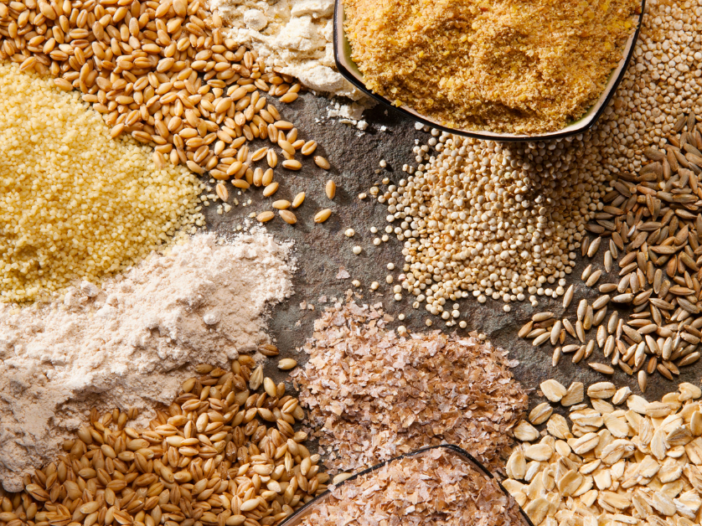
The study included both whole grains and enriched refined grains as part of total grain intake. Both types contributed to improved nutrient intake and diet quality.
Enriched grains, in particular, provide nutrients such as folic acid and iron, which are important during periods of rapid growth and development.
Grain foods can play a meaningful role in infant nutrition. Including a mix of whole and enriched grain foods as part of a balanced approach can help support growth, development and long-term healthy eating patterns.