Refined grains aren’t empty calories. Learn how enriched grains provide essential nutrients, support diet quality and fit into a balanced, healthy eating pattern.
Refined grains have taken a hit in recent years, often lumped into broad “cut refined carbs” or “avoid processed foods” advice. But the reality is far more nuanced — and far more positive.
When you look at the full body of evidence, refined grains aren’t the dietary villain they’re made out to be. In fact, they play a meaningful role in delivering essential nutrients and supporting balanced eating patterns.
Here’s what the science actually shows.
The Research Behind Refined Grains
Dr. Glenn Gaesser, Professor of Exercise Science and Health Promotion and Director of the Healthy Lifestyles Research Center, Arizona State University, wanted to find out why refined grains are viewed as unhealthy by so many people. In a recent paper, Gaesser uncovered several noteworthy facts and posed several questions:
- Recommendations to increase whole grain intake to reduce risk of many chronic diseases, including obesity, is clear. “There is rock solid evidence for the benefits of eating whole grains,” says Gaesser. Yet only 2-7% of Americans meet the recommended whole grain intake.
- The Dietary Guidelines for Americans Committee (DGAC) recommends making half your grains whole grains and reducing the intake of refined grains. However, the DGAC only reviewed evidence that looked at dietary patterns, not refined grains specifically.
- An “unhealthy dietary pattern” as defined in the research studies evaluated by the DGAC included red and processed meat, sugar-laden foods and drinks, French fries, full-fat dairy foods and refined grains. What if refined grains are guilty by association with the other foods in this unhealthful dietary pattern?
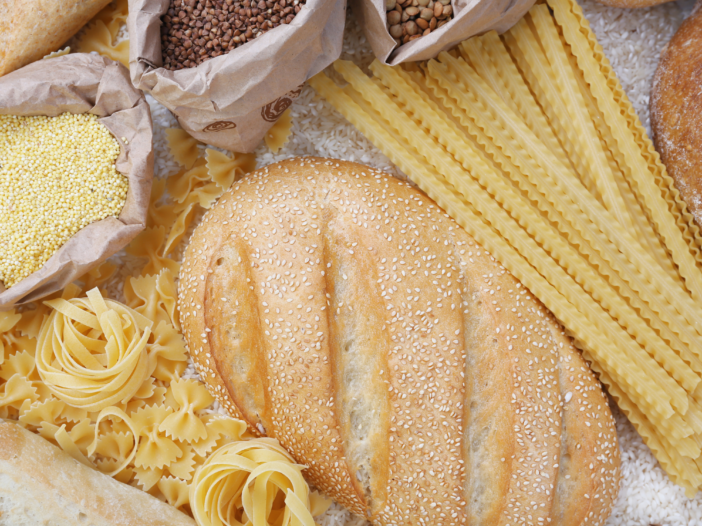
- Refined grains include not only staple foods, like bread, rice, cereal and pasta, but also cookies, cakes, doughnuts, brownies, muffins, sweet rolls and even pizza! Not all refined grains are created equal when it comes to health effects.
Untangling the Evidence
Looking at multiple studies, called meta-analyses, that included 32 publications with 24 distinct groups of people, refined grain intake was not linked to an increase risk of heart disease, high blood pressure, stroke, type 2 diabetes, cancer or obesity. In fact, one meta-analysis reported that higher consumption of refined grain was associated with a 5% lower risk of death from any cause.
The “eat only whole grains” message has become predominant in nutrition advice. It is typical to pit foods against each other, to crown one food as good and healthful and another food as bad and unhealthy. However, the evidence to support that dichotomy for whole and refined grains doesn’t hold up upon further scrutiny. Gaesser’s investigation found that eating up to 6-7 serving of refined grains does not increase the risk for many of the chronic diseases affecting Americans.
An Unintended Consequence of Cutting Refined Grains
While refined grains have been demonized, it is useful to remember that refined grains contribute more than just energy (calories) to our diets. Refined grains are enriched with B vitamins and iron. Eating refined grains can alleviate shortfalls of thiamin, riboflavin, niacin and iron.
Refined grains are also often fortified with folic acid, a B-vitamin needed for healthy nerve and spinal cord development for babies. These grains are the largest contributor of folic acid in the diet.
Refined grains also contribute dietary fiber, a nutrient sorely lacking in the diets of most Americans. “Grain foods contribute about 55% of all fiber in the American diet and about 40% of fiber intake comes from refined grains,” says Gaesser.
Staple vs. Indulgent Refined Grains
What does this research mean for you? There is no reason to cut refined grains from your diet. Enjoying up to seven servings a day will contribute to nutrient intakes of several vitamins and minerals and dietary fiber. And, it will not up your risk of disease.
It is also useful to think about refined grains in two distinct categories:
- Staple grains, such as bread, rolls, rice and pasta
- Indulgent grains, such as cakes, cookies, pies, doughnuts and other sweet desserts
Eat more grains from the staple category and less from the indulgent group. The sweet, indulgent group of grain foods contain higher levels of fat and sugar than the staple grains.
Continue to include whole grains in your diet, but there is no need to eliminate the refined grains.
Refined grains aren’t the nutritional shortcut villains they’ve been made out to be. They’re a reliable, nutrient-contributing and accessible part of a healthy diet. If whole grains are the headline act, refined grains are the supporting cast quietly making the whole system work.