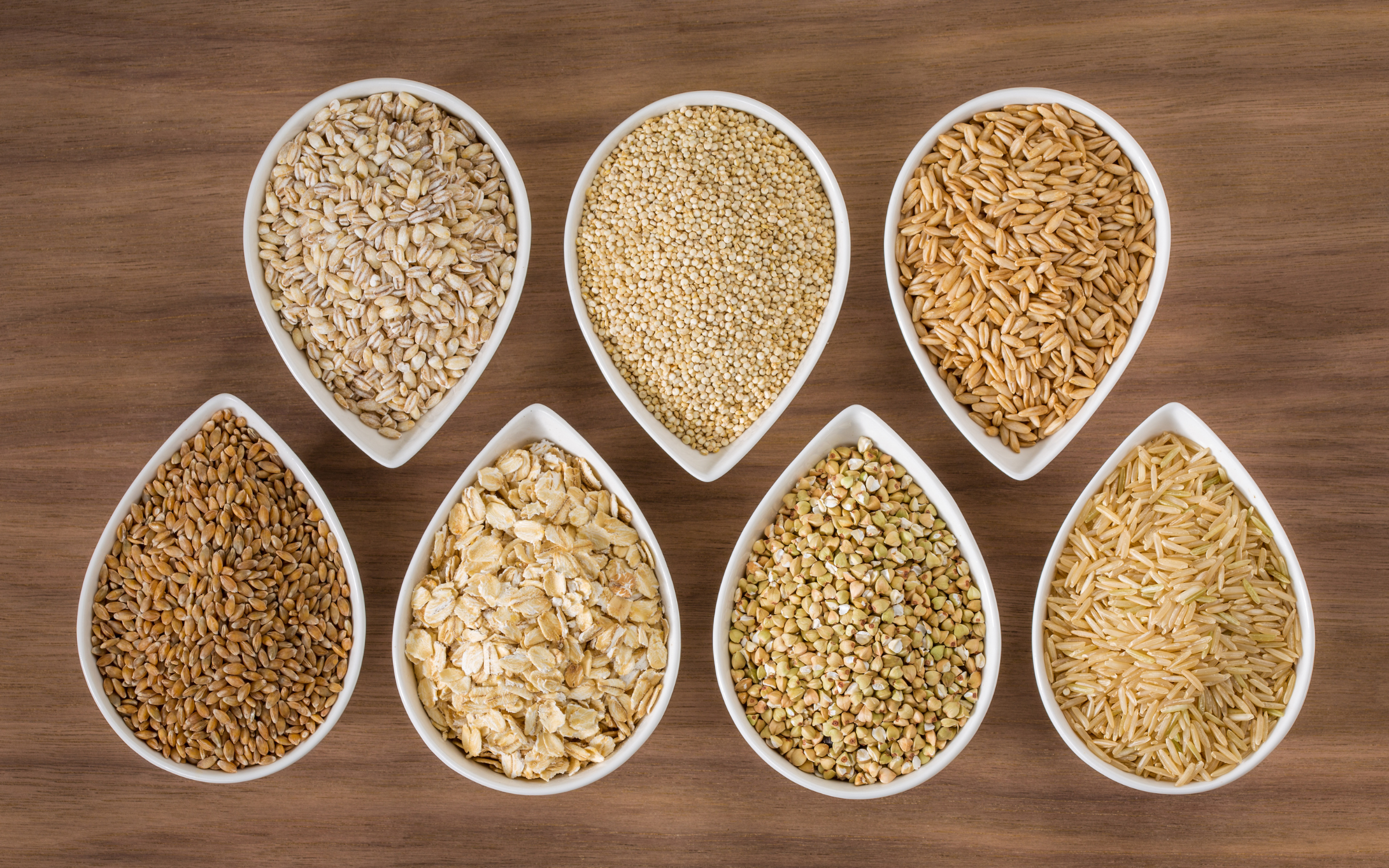

Can refined grains be part of a healthy diet? Learn how refined grains like bread and pasta deliver flavor, versatility and essential nutrients in balanced meals.
Great meals start with great ingredients.
Flavor, texture and satisfaction do not happen by accident. They come from choosing ingredients that work well together and deliver both taste and function. Grain foods, including refined grains like bread and pasta, play a key role in that balance.
What Are Refined Grains?
Refined grains are grains that have been milled to create a finer texture and longer shelf life. Many familiar foods are made with refined grains, including white rice, traditional pasta, flour tortillas, some crackers and many breads.
Refined grain foods can also be enriched or fortified to add important nutrients, like folic acid, iron and B vitamin, back during the milling process. This makes enriched grains an important source of nutrients in the diet.
Why Refined Grains Work in Cooking
Refined grains are widely used in kitchens for their versatility and consistency. They create a smooth texture in baked goods, provide structure in bread, pastries and wraps, and deliver consistent results in cooking and baking.
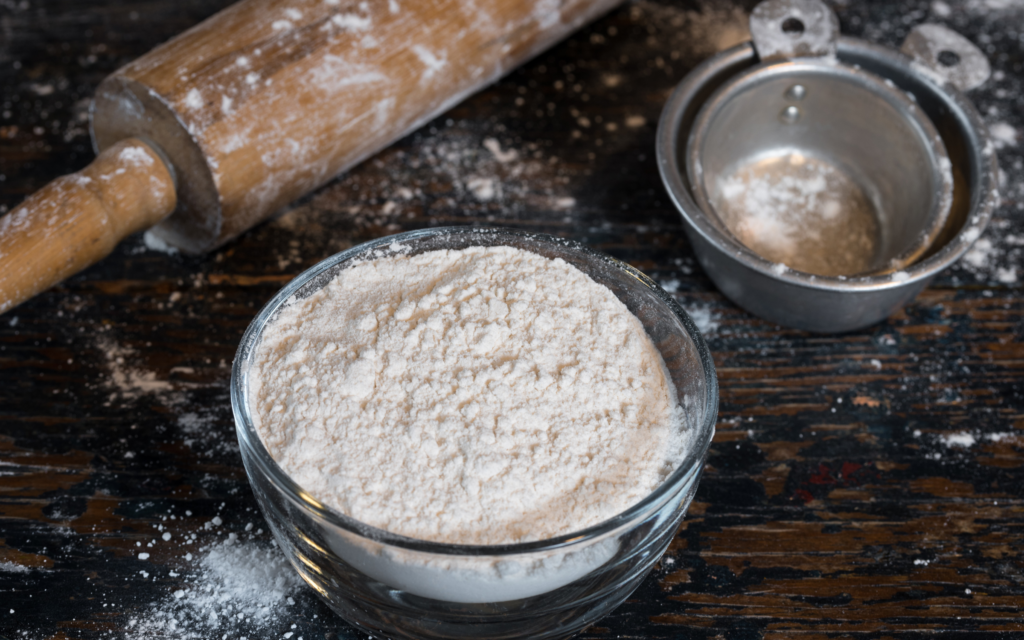
Why All-Purpose Flour for Baking?
All-purpose white flour is refined to create a finer texture and longer shelf life. This makes it especially useful for baking. It is enriched with nutrients like niacin, iron, thiamin and riboflavin, and fortified with folic acid to help support overall health.
Most bakers will attest that all-purpose white flour is a great home kitchen option when it comes to ensuring the best texture, levity and flavor of baked goods. That’s because the protein content in enriched flour helps create structure, giving baked goods the light texture and flavor many recipes depend on.
Swapping in whole wheat flour without adjustments can lead to denser, drier results with a stronger wheat flavor. While some recipes can handle the change, most require additional tweaks to maintain the right texture and balance.
Embrace the Grain: In the average American diet, grain foods are responsible for only 15% of calories, yet are major contributors of fiber!
Check out a fun exploration on the art and science of flour swapping from the Test Kitchen team at Food52. They found that sometimes the full swap is a hot mess (bread that doesn’t rise), sometimes it’s okay (pie crusts are okay, but not as light), and sometimes using only whole wheat flour makes an even better treat (chocolate chip cookies). A big takeaway is that changing the flour definitely changes the flavor. It’s rare to successfully swap flours without adding other ingredients to compensate for the changes in food chemistry and taste.
Grains & Nostalgic Flavors
Swapping refined grains for whole also applies to other grain foods, like pasta or rice. While sometimes the new taste or texture is for the better, that’s not always the case. If you’re planning to maintain the nostalgia of a cherished dish, you can let go of some of the guilt! Enriched grain foods are known for being the foundational components of well-balanced meals! The other components of the dish add extra nutritional heft: think proteins and veggies in a yummy stuffing, pot pie, rice pilaf, lasagna or ramen.
Refined grains play an important role in both cooking and nutrition. They contribute to the texture and flavor of many foods while also providing key nutrients through enrichment. When included as part of a balanced diet, refined grains can support both enjoyment and overall health.