
Looking for healthy school snacks? Discover easy, balanced snack ideas with grains, protein and fiber to keep kids energized and focused through their homework and activities.
Snacks make up a good part of any child’s diet, and the right snack can help bridge the gap between meals, support energy levels and keep kids focused throughout the day. The key is balance—combining carbohydrates, protein and fiber to create snacks that are both satisfying and practical.
When it comes to quick and easy afterschool snacks, the key is balance. Combine carbohydrates, protein and fiber to create snacks that are both satisfying and practical.
Why Balanced Snacks Matter for Kids
According to NHANES data, 28% of a child’s caloric intake should consist of snacks as long as they provide great nutrition. For serving sizes, children can eat three meals and two snacks per day starting as early as age one.
Kids need consistent fuel to stay energized and engaged. Carbohydrates provide quick energy, while protein and fiber help sustain it. Grain foods play an important role by delivering energy along with nutrients like B vitamins, iron and fiber.
Pairing grains with protein or healthy fats helps create snacks that last longer and support focus between meals.
Easy School Snack Ideas
These snack ideas are simple, balanced and easy to prepare ahead of time.
Quick Grab-and-Go Options
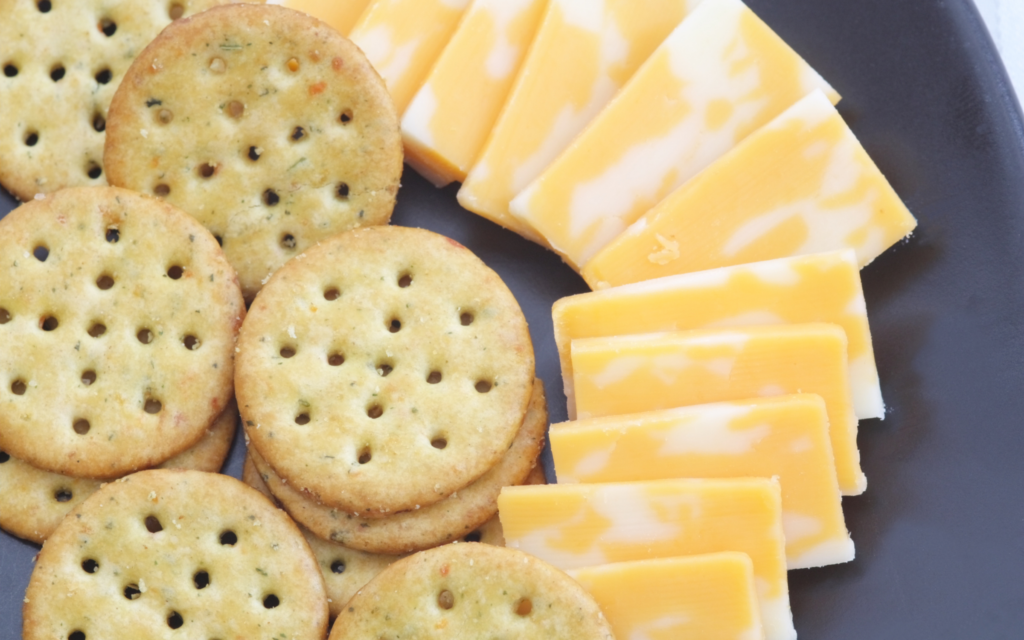
- Whole grain crackers with cheese
- Peanut butter sandwich on whole grain bread
- Granola bar with yogurt
- Trail mix with cereal, nuts and dried fruit
Fresh and Balanced Combos
- Apple slices with peanut butter and crackers
- Toast with almond butter and sliced bananas
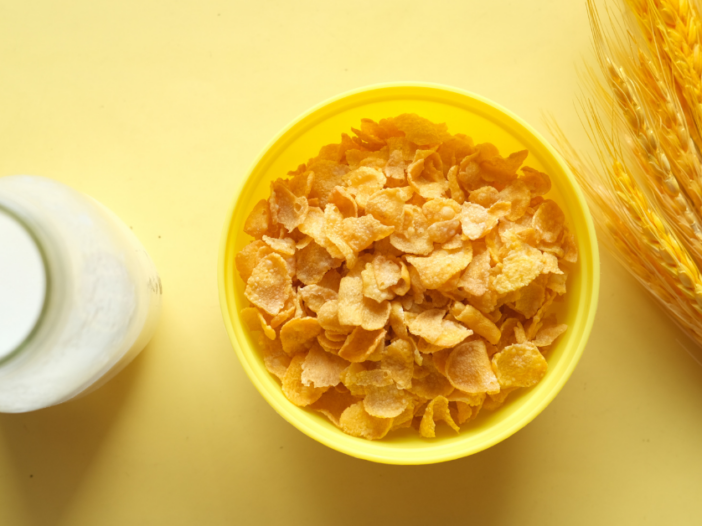
- Cereal with milk
- Cheese stick or hummus with whole grain pretzels
Make-Ahead Snacks
- Snack boxes with crackers, fruit and protein
- Mini sandwiches or sliders
- Pasta salad with cheese and vegetables
- Muffins made with whole grains
Snacking Considerations
Take your child’s eating habits and abilities into consideration when trying to select the right snacks. A handful of nuts is a healthy snack choice, but only give them to your child if they are 4 years or older and can chew hard foods well. Natural popcorn is also a great source of fiber but is a choking hazard in young children.
Snacks are just as important for teens, as their bodies are still growing and developing just like your little ones. Since most older kids will want to choose or buy their own snacks, the most important thing is to encourage them to choose healthy options.
Keep your fridge and cabinets stocked with nutritious and convenient options like fruits and vegetables, yogurt, bread, whole grain crackers and a wide array of lower-sugar cereals to ensure kids are getting the nutrients they need.
Snacks are more than just a quick bite. They are an opportunity to support energy, focus and overall nutrition. By pairing grain foods with protein and fiber-rich options, you can build snacks that are easy to prepare, easy to pack and easy for kids to enjoy.