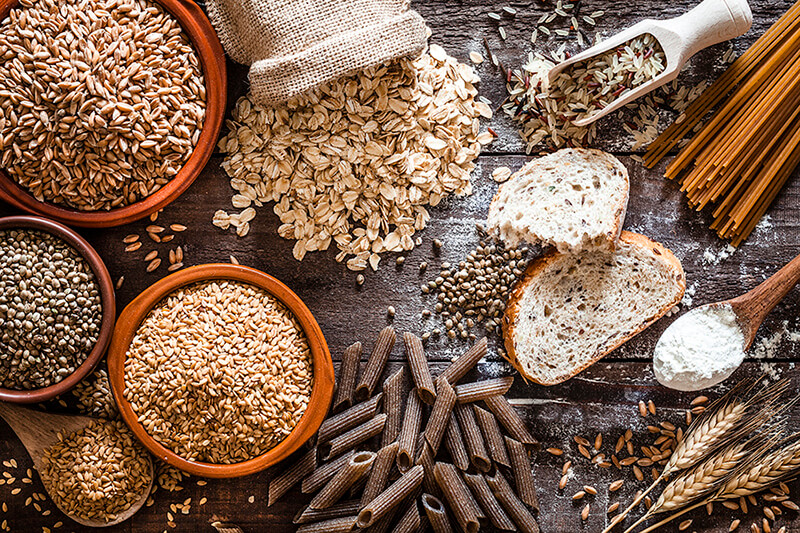

Grains deliver essential nutrients like fiber, B vitamins and iron — often in higher proportions than their calorie contribution. Learn why grains play a key role in a balanced, healthy diet.
Grain foods consistently rank among the most nutrient-dense and accessible foods in the American diet. Yet despite their impact, they’re often overlooked — or worse, unnecessarily avoided.
The reality: grains deliver a powerful combination of essential nutrients that support overall health, often in greater proportion than the calories they provide.
What are Grains?
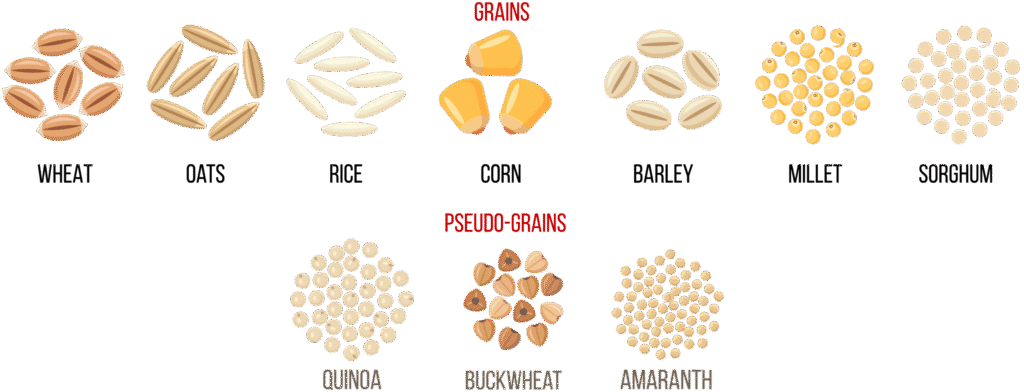
They’re the edible seeds of certain grasses, and they range widely in origin, flavor and texture. Wheat, oats, rice and corn are common grain foods, while barley, spelt, millet and sorghum are less common but just as delicious and nutritious. Pseudo grains are foods that are not true grains but may be similar in appearance and nutrition to true grains – like quinoa, buckwheat and amaranth.
What’s a Serving? A serving of grain foods is about one ounce. This equates to a slice of bread, a cup of cereal or ½ cup of uncooked rice or pasta. The number of servings you may need each day depends on several factors such as age, weight, gender and activity level.
Why Grains Are Nutrient-Dense
Grain foods are one of the major food groups in a healthy eating pattern. They make up about 15% of daily calories in the U.S., yet contribute a disproportionately high share of key nutrients many people don’t get enough of, like:
- Dietary fiber
- Essential vitamins such as folate, thiamin, niacin, vitamin B6, riboflavin and vitamin A
- Minerals such as iron, zinc, manganese, copper, magnesium, phosphorus and selenium
This is important because the vast majority of Americans – 95% of us, in fact – don’t get enough fiber in our diets. Additionally, most Americans don’t meet the recommended intake of several nutrients, identified as “nutrients of concern” by the U.S. Dietary Guidelines. The Grains group is a substantial contributor of many of these nutrients for the general population (fiber: 37-44%; calcium: 12-21%), as well as populations with special nutrient needs (folate: 55-64%; iron: 56-62%). As such, most people would benefit from increasing the proportion of grain foods in their diet.
Whole Grains and Refined Grains
Health experts suggest that at least half your grains come from whole grain sources while the other half can come from enriched, refined grains.
Whole grains include all three parts of a grain: the outer bran, the endosperm, and the germ, which is like the heart of the grain. You can eat whole grains intact – an example is whole grain basmati rice – or ground into flour and prepared in foods, such as whole wheat flour or whole cornmeal. Whole grains contain all the nutrients found in the grain kernel, including fiber and B vitamins.
Refined grains, on the other hand, contain only the endosperm, the starchy part that makes up about 80% of a grain. This part of the grain is a concentrated source of carbohydrates and protein, as well as some vitamins and minerals.
The Importance of Enriched Grains
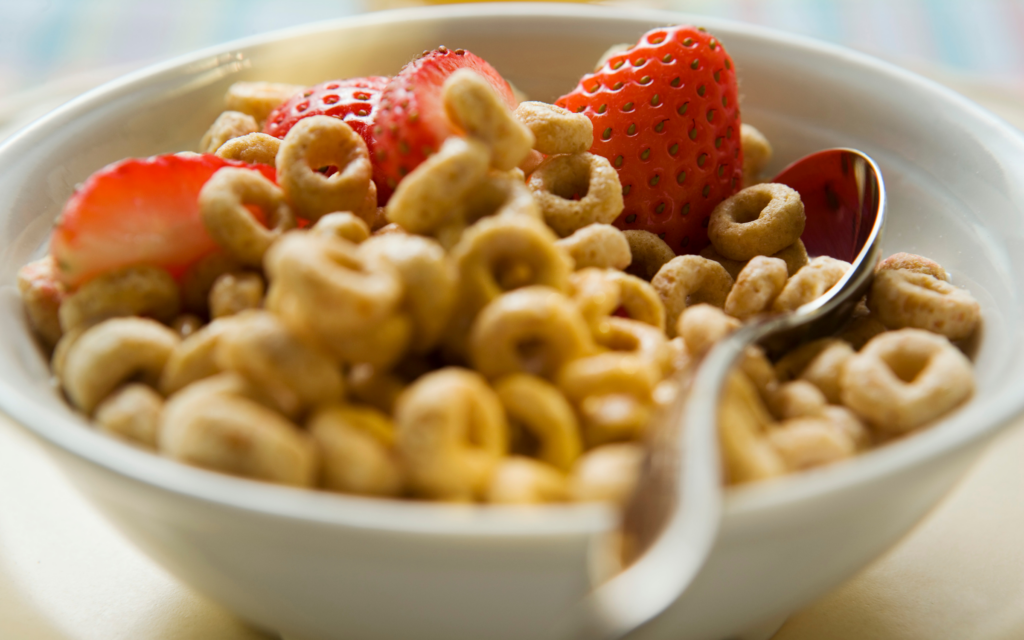
Many refined grains are enriched, which means they have vitamins and minerals added after the milling process. Thiamin, riboflavin, niacin, folic acid and iron are all common additions. Refined grains can also be fortified with additional nutrients, like folic acid. In fact, in 1998 the Food and Drug Administration (FDA) began requiring all enriched wheat products to be fortified with folic acid as a way to prevent neural tube defects during early pregnancy.
These grain foods are incredibly important in Americans’ diets. For example, a study analyzing food intake data shows thatAmericans get more folic acid from grain foods than from vegetables. Another study showed that a variety of grain foods, including enriched grains, contribute to helping children meet their nutrient needs. The folic acid fortification requirement for wheat products has been one of the most successful fortification programs to date, responsible for a 35% reduction in neural tube defects since its inception.
Eating just whole grains, and no refined grains, would have negative, unintended consequences on Americans’ diets. A modeling study found that if only whole grains were required in the diet, with enriched grains or other substitutions not allowed, people would be at risk for nutritional deficiency.
All in all, a healthy eating pattern should include a mix of whole and refined grains. If you love fortified white bread for sandwiches, that’s OK! Just work whole grains, such as oats, polenta or whole wheat pasta, into your meals at other times of day.