Do whole grains help with weight loss? Learn the science behind whole grains and weight management, including fiber, metabolism and how grains fit into a healthy diet.
Grain foods are a dietary staple , and for good reason. They provide carbohydrates, the body’s preferred fuel source for the brain, muscles and most organs. Yet when weight loss or maintenance is the goal, carbohydrates are often the first thing people cut.
So what does the science actually say about whole grains and weight management? Let’s break it down.
Carbohydrates and Weight Loss: Let’s Clear Things Up
Carbohydrates are one of three nutrients that provide energy (along with protein and fat). When consumed, carbs are broken down into glucose, which fuels the body.
While cutting back on added sugars can support weight management — think sugary drinks and highly processed foods — eliminating all carbohydrates isn’t necessary or beneficial. Foods like fruits, vegetables and whole grains also contain carbohydrates, but they deliver fiber, vitamins, minerals,and other nutrients your body needs to function properly.
What Makes Whole Grains Different
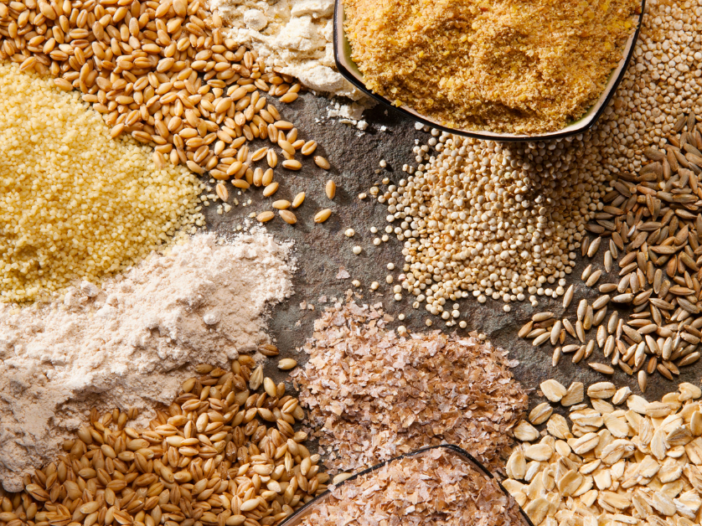
Whole grains contain all three parts of the grain kernel:
- Bran (outer layer, rich in fiber)
- Germ (nutrient-dense core with healthy fats and vitamins)
- Endosperm (starchy center that provides energy)
Whole grains naturally provide more fiber, protein, B vitamins and other nutrients. Including whole grains as part of a healthy diet can help reduce the risk of some chronic diseases including heart disease, diabetes and some cancers. Plus, they support healthy digestion.
Why Whole Grains Support Weight Management
1. Fiber Helps You Feel Full
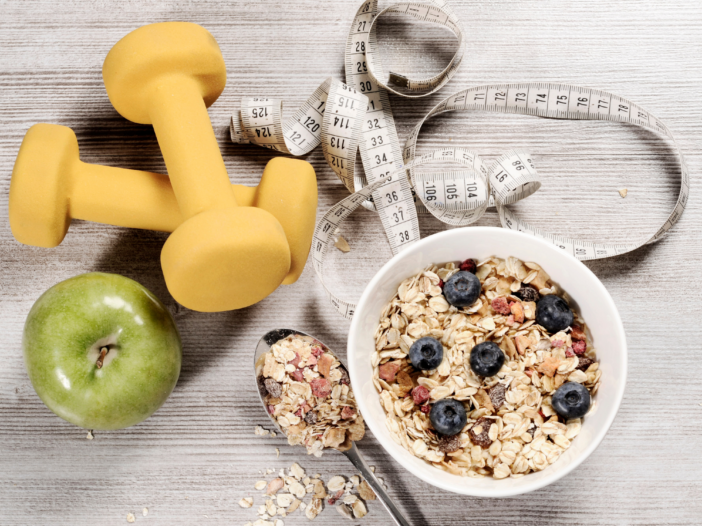
Whole grains are a key source of dietary fiber, which promotes satiety — meaning you feel fuller, longer. This can help reduce overeating and support a healthy weight over time.
2. They’re Linked to Better Body Weight Outcomes
Research shows that people who eat more whole grains tend to have lower body weight and a smaller waist circumference. In fact, multiple studies associate higher whole grain intake with improved weight-related measures.
3. They Fit into Proven Healthy Eating Patterns
Whole grains are consistently recommended in science-backed eating patterns, including the Dietary Guidelines for Americans, the Mediterranean diet and the DASH diet. These patterns are linked to long-term health and sustainable weight management.
Low-Carb vs. Low-Fat Diets
The debate between low-carb and low-fat diets has been going on for decades. Research shows both approaches can lead to similar weight loss results.
What matters more? Diet quality.
- More fruits and vegetables
- Fewer highly processed foods
- Balanced nutrient intake
You don’t need to cut grains (carbs) to lose weight — you need a better overall diet.
Do You Need to Avoid Refined or Enriched Grains?
No. Everyone should aim to make at least half of the grains they eat come from whole grain sources, but most Americans don’t eat the recommended amount. Enriched and fortified grains help fill the gaps and play a role in a balanced diet by providing B vitamins, iron, folic acid and other important nutrients..
In fact, research shows:
- People who consume grain foods like pasta, rice and cereals often have lower body weight and waist circumference compared to those who avoid grains entirely
- Grain food eaters also tend to have higher fiber intake and better diet quality
Practical Tips for Adding Whole Grains
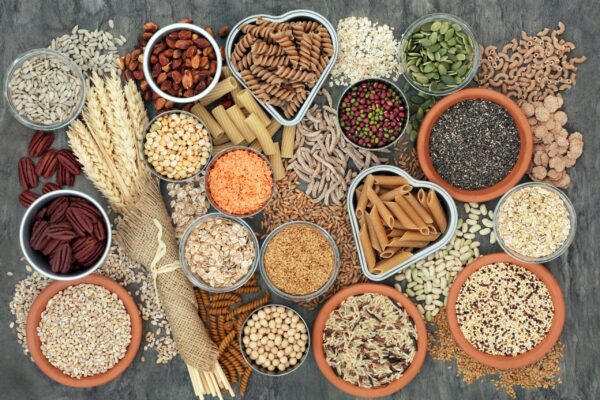
Current dietary recommendations suggest Americans consumer 2-4 servings of whole grains per day. Barley, quinoa, oats, brown rice, whole-grain pastas, breads, whole-wheat flour, whole-grain cornmeal and cereals are some whole grain foods. When reading food labels, look for the words “whole grain” in the ingredient list or the Whole Grain Stamp.
Here are some easy ways to add more whole grains to your diet:
- Combine whole and enriched grains to ease the transition, like mixing a whole grain cereal with an enriched grain cereal for a fun combination
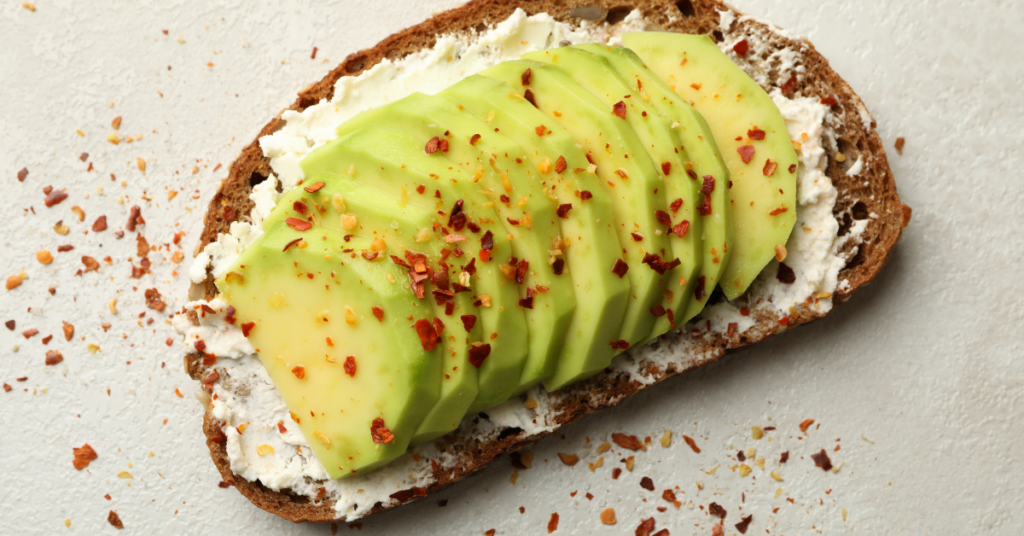
- Swap white bread for whole-grain bread, or try one slice of each
- Choose brown rice or quinoa instead of white rice
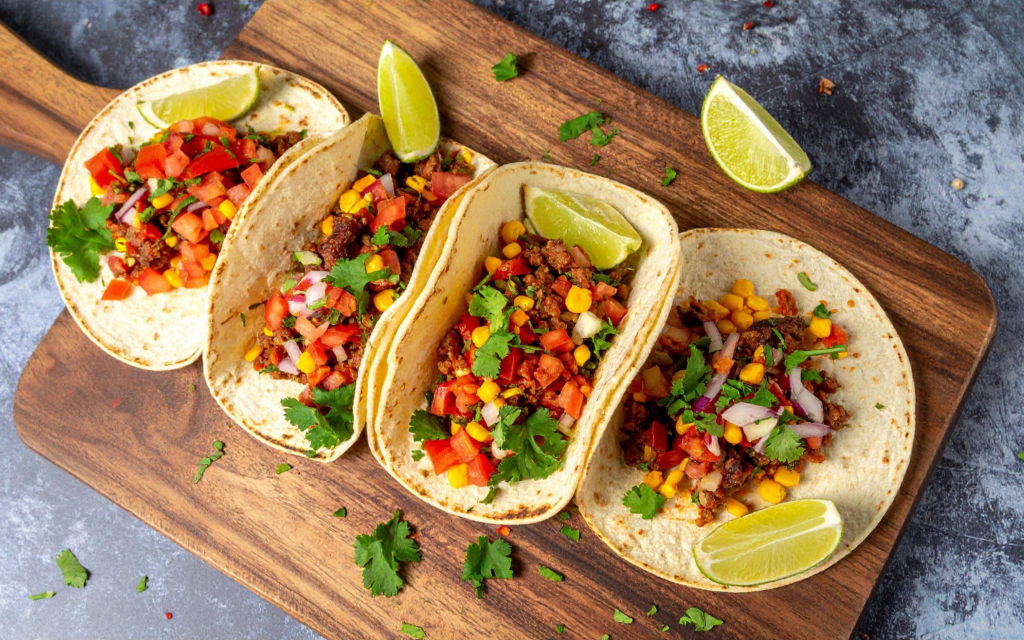
- Try corn tortillas instead of flour for taco night
Whole grains are not the enemy of weight loss. They provide fiber, essential nutrients and lasting energy, all of which support a healthy, sustainable approach to weight management. When paired with an overall balanced diet, whole grains can help you feel full, eat better and maintain a healthy weight over time.