Do grains support heart health? Learn how whole and enriched grains contribute fiber, key nutrients and support cardiovascular health as part of a balanced diet.
Cardiovascular disease remains the leading cause of death worldwide, according to the World Health Organization. While genetics play a role, daily habits matter. Diet, physical activity and lifestyle choices all influence long-term heart health.
Heart health is closely tied to everyday food choices. Dietary patterns that include a variety of nutrient-dense foods are consistently linked to better cardiovascular outcomes. Grain foods are part of that pattern. They provide carbohydrates for energy along with fiber, B vitamins and essential minerals that support overall health.
How Grains Support Heart Health
Lowering Cholesterol
Whole grains are rich in dietary fiber, which plays a key role in managing cholesterol.
Soluble fiber helps reduce LDL cholesterol by limiting how much is absorbed in the bloodstream. This supports healthier cholesterol levels over time and lowers a major risk factor for heart disease.
Certain whole grain foods, like oats, contain beta-glucan, a type of fiber recognized for its cholesterol-lowering benefits.
See how much fiber is in your favorite foods with this handy guide.
Supporting Satiety and Weight Management
Fiber also has a satiating effect, meaning you feel full longer. This can reduce overeating and support weight management, both of which are important for heart health. Excess weight, particularly around the midsection, is linked to increased cardiovascular risk.
Research shows that people who eat more whole grains tend to have lower body weight and smaller waist circumference compared to those who eat fewer whole grains.
Delivering Essential Nutrients
Whole grains provide important nutrients that support cardiovascular function, including:
- B vitamins for energy metabolism
- Iron for oxygen transport
- Magnesium for muscle and nerve function
These nutrients work together to support overall metabolic and heart health.
What the Research Shows
Large observational studies consistently link dietary patterns including whole grains with a lower risk of cardiovascular disease.
Research from Harvard University found that women who ate 2-3 servings of whole grains per day were about 30% less likely to have a heart attack or die from heart disease compared to those who ate very little.
Other findings show that individuals consuming at least 2.5 servings of whole grains daily were 21% less likely to suffer from cardiovascular disease.
The takeaway is clear. Dietary patterns that include whole grains are associated with lower heart disease risk.
What About Refined Grains?
At the same time, research does not consistently show a direct link between refined staple grain foods, such as bread and pasta, and increased heart disease risk. This distinction matters.
Refined grains are often analyzed as part of an overall dietary pattern that is higher in less nutritious foods and lifestyle factors, rather than evaluated independently. As a result, the perceived risk associated with refined grains may actually reflect the broader eating pattern, not the grains themselves. When evaluated on their own, staple grain foods do not show the same associations.
Building a Heart-Healthy Eating Pattern
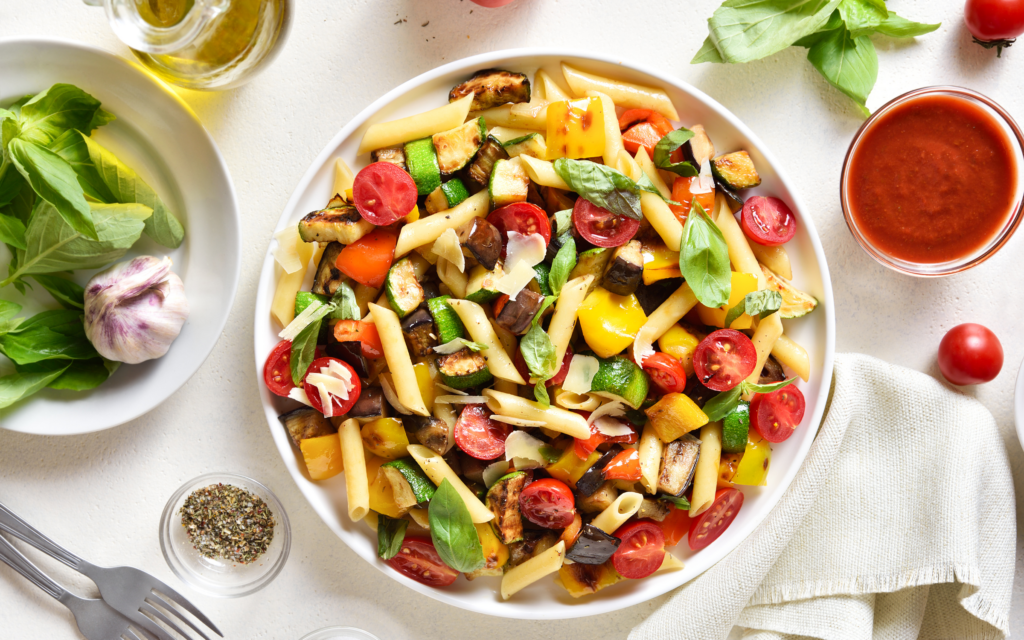
Heart health is not about one food. It is about how foods work together. Balanced eating patterns that support cardiovascular health often include:
- Fruits and vegetables
- Whole grains
- Lean proteins
- Dairy foods
- Healthy fats
Grain foods help bring these elements together. They serve as the base for meals that are practical, balanced and easy to maintain.
Looking for Heart-Healthy Grain Foods
When shopping, look for whole grain options and trusted guidance. The American Heart Association Heart-Check mark can help identify products that meet heart-healthy criteria.
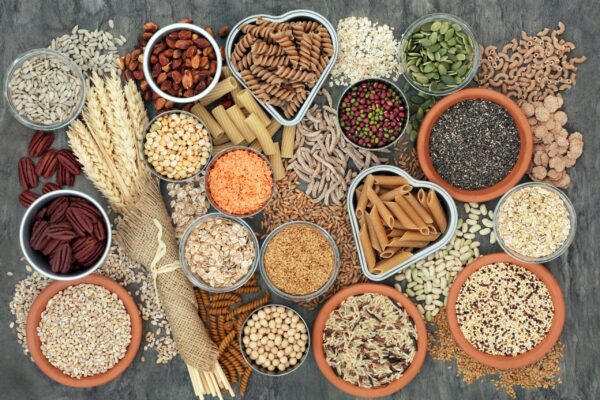
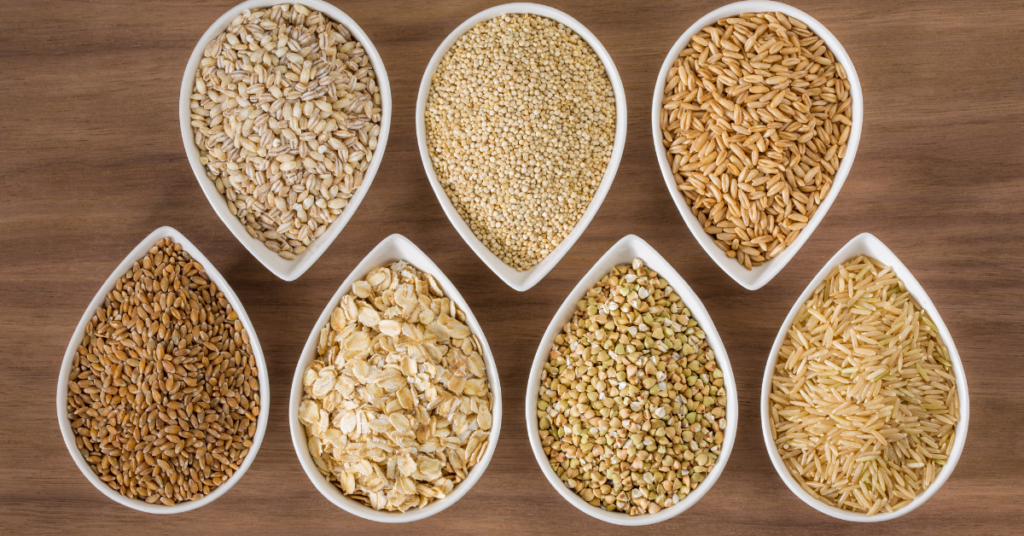
Some basic whole grain products that can easily be incorporated into your diet are:
- Brown rice
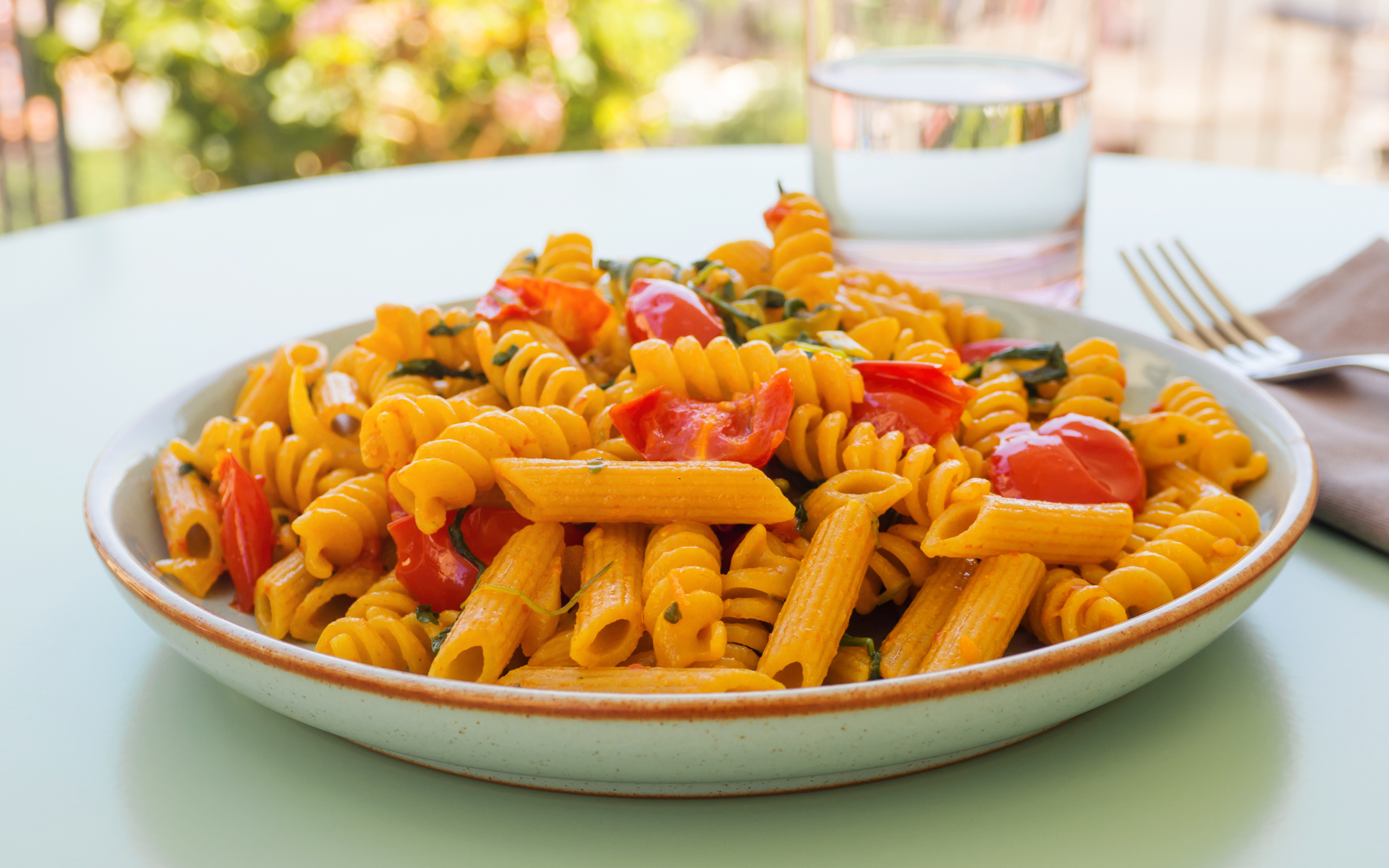
- Whole grain pasta
- Oats
- Quinoa
- Corn
- Barley
Including a mix of grain foods as part of a balanced diet supports heart health and overall nutrition. Make sure to pick up one, or all, of these whole grains next time you are at the store to start your heart-health journey.
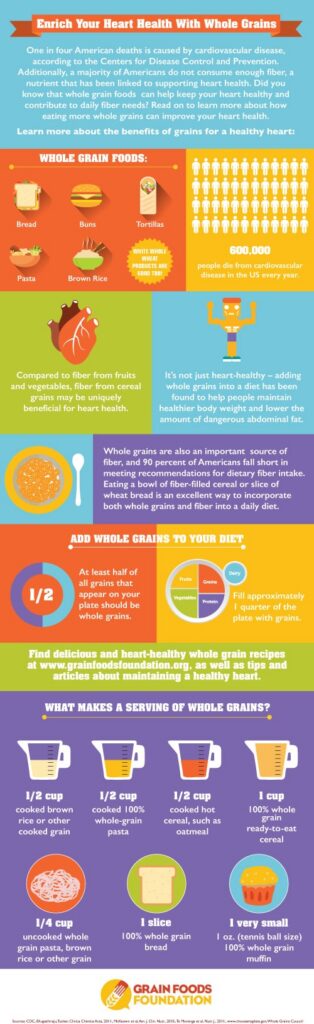
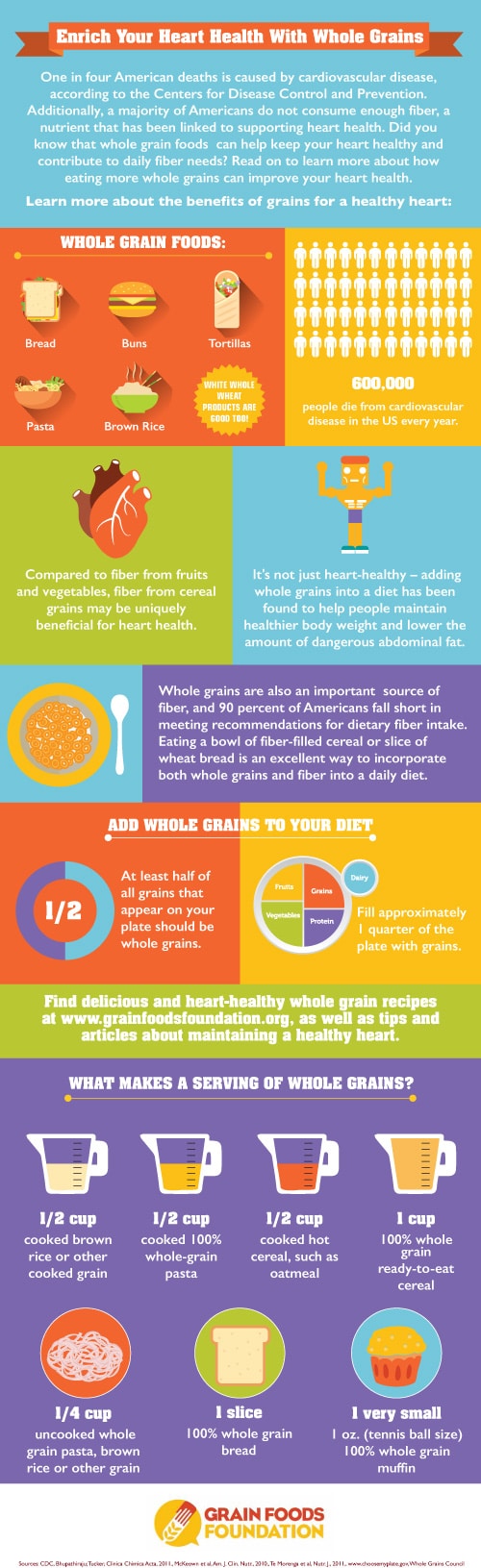
For quick answers to common questions, read Grains and Heart Health: Expert Answers to Common Questions or download the Heart Health + Whole Grains infographic below.