Is bread healthy? Discover the benefits of bread, including energy, fiber, heart health and weight management, and how it fits into a balanced diet.
Bread has been unfairly villainized by decades of low-carb trends. But if you’ve been skipping the bread basket in the name of health, you might be surprised to learn that you’re missing out on more than just a delicious slice.
Bread has become one of the most misunderstood foods in modern nutrition, often blamed for weight gain and poor health. Far from being a nutritional “empty calorie,” bread is actually a functional powerhouse that supports everything from gut health to heart longevity.
Before you swear off the bakery aisle, here is what the science actually says about why bread deserves a permanent spot in a balanced diet.
5 Science-Backed Benefits of Bread
1. The Fuel Your Brain Craves
Carbohydrates are your body’s primary and preferred source of energy — especially for your brain and muscles. Whether you’re powering through a high-performance workout or a demanding workday, the complex carbs in bread provide a steady, reliable fuel source that helps prevent the “brain fog” often associated with low-carb diets.
2. Digestive Support and Fiber
As part of the cereal grain group, bread, especially whole grain varieties, is high in dietary fiber. Dietary fiber supports healthy digestion, regulates blood sugar levels, nourishes beneficial gut microflora and keeps you satiated for longer. Beyond just keeping things moving, fiber from grains acts as a prebiotic, feeding the healthy bacteria in your gut. This is essential for a strong immune system and efficient nutrient absorption.
Fiber has also been linked to a lower risk of coronary heart disease, stroke, hypertension, diabetes, overweight, obesity and gastrointestinal disorders.
3. The Weight Loss “Satiety” Secret
Let’s kill the myth: bread does not automatically lead to weight gain.
Research from Hospital Universitario La Paz found that including bread in a balanced, calorie-controlled diet can actually support weight loss. That’s because bread (especially whole grain and high-fiber varieties) increases satiety — that “full and satisfied” feeling — and can prevent the mindless snacking that often leads to overeating.
4. Guards Your Heart
Whole grain bread is a staple of heart-healthy eating patterns like the Mediterranean diet. A study from the Universitat de Barcelona found that regular consumption of whole grains can help lower LDL (“bad”) cholesterol. By reducing cholesterol, you’re directly lowering your long-term risk of cardiovascular disease.
5. Essential Enrichment & Fortification
One of the biggest arguments for keeping bread in your diet is what’s inside it. Enriched grain foods (like many white breads) are fortified with folic acid, iron and B vitamins.
Particularly, in the United States mandatory folic acid fortification of cereal grain products such as refined wheat flour has been established to reduce the risk of neural tube birth defects. It is estimated that this measure has saved more than 1,300 from neural tube birth defects on a yearly basis.
These are “shortfall nutrients,” meaning most Americans don’t get enough of them elsewhere. Bread makes these vital nutrients accessible and affordable.
Should You Cut Bread from Your Diet?
Short answer: probably not.
Eliminating bread in pursuit of quick weight loss is a common misconception — and one that can backfire. Bread provides important nutrients, fiber and energy that your body actually needs to function well.
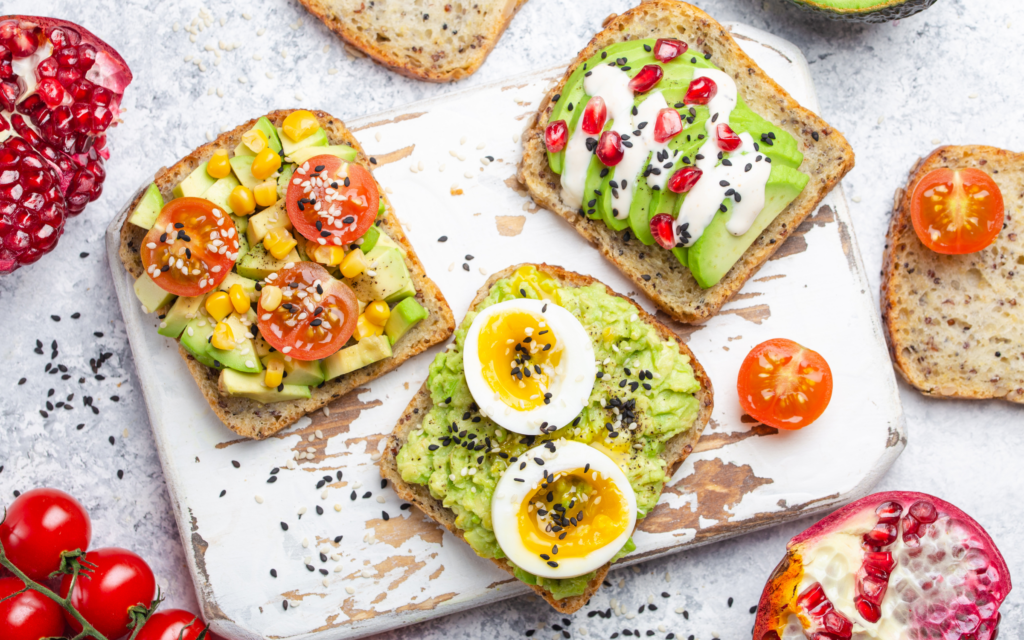
One of the most overlooked benefits of bread is its role as a nutritional vehicle. Bread rarely travels alone; it’s the base for lean proteins (turkey, tuna), healthy fats (avocado, nut butters) and fresh vegetables. By providing the structure for a sandwich or toast, bread makes it easier and more enjoyable to consume other essential food groups.
Bread is a functional, nutrient-dense food that has earned its place on your plate. Instead of seeing it as a “guilty pleasure,” start seeing it for what it is: a foundation for a healthy, energized life.