
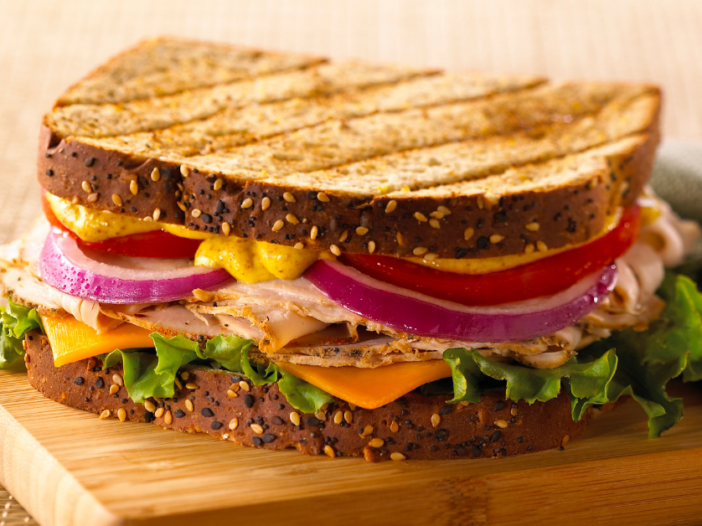
Are sandwiches healthy? Research shows it’s the fillings, not the bread, that matter most. Learn how sandwiches can fit into a balanced diet.
What makes a great sandwich?
For many people, the answer is simple: the bread. In fact, according to Datassential, 42% of consumers say bread is the most important part of a sandwich. Yet at the same time, bread is often the first thing people consider cutting when trying to eat healthier.
But research suggests that focusing on bread alone misses the bigger picture. What matters most is how the sandwich is built as a whole.
Bread and Calories: What the Data Shows
Grain foods, including bread, play a smaller role in total calorie intake than many people expect. Research shows that all grain foods combined contribute less than 15% of total daily calories, while delivering essential nutrients, including dietary fiber, folate, iron, calcium, magnesium and vitamin A, that are often lacking in the American diet.
This means grain foods provide meaningful nutritional value relative to their calorie contribution, making them an efficient way to support overall nutrient intake.
What Drives Sandwich Nutrition
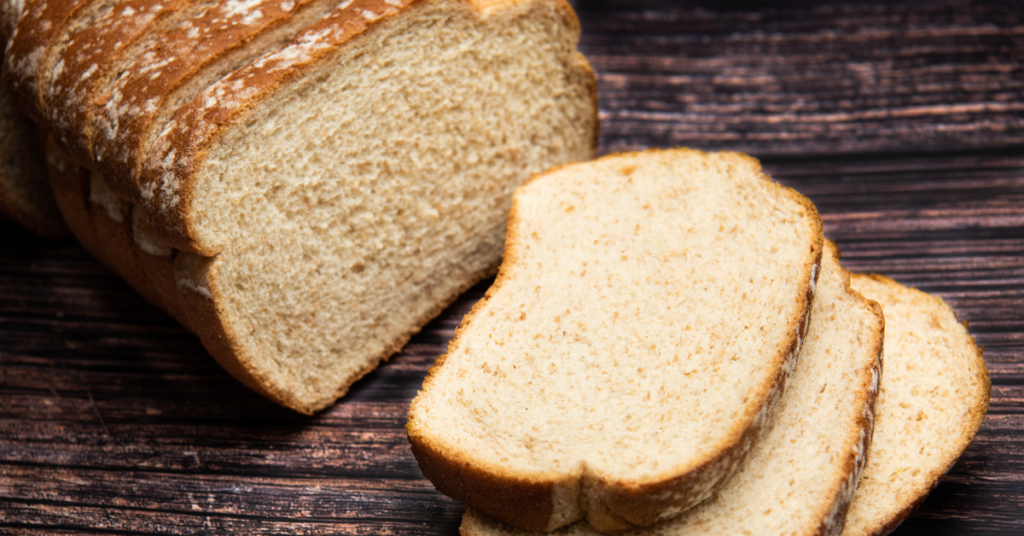
When it comes to sandwiches, research consistently shows that the ingredients inside matter more than the bread itself.
Calories, saturated fat and sodium are primarily influenced by:
- Processed or high-fat meats
- Full-fat cheeses
- High-calorie spreads and condiments
Bread, on the other hand, often plays a smaller role in the overall nutritional profile of a sandwich.
Modeling a Better Sandwich
To better understand how sandwiches can fit into a healthy diet, researchers analyzed dietary data from more than 9,000 children and adolescents through the What We Eat in America dataset.
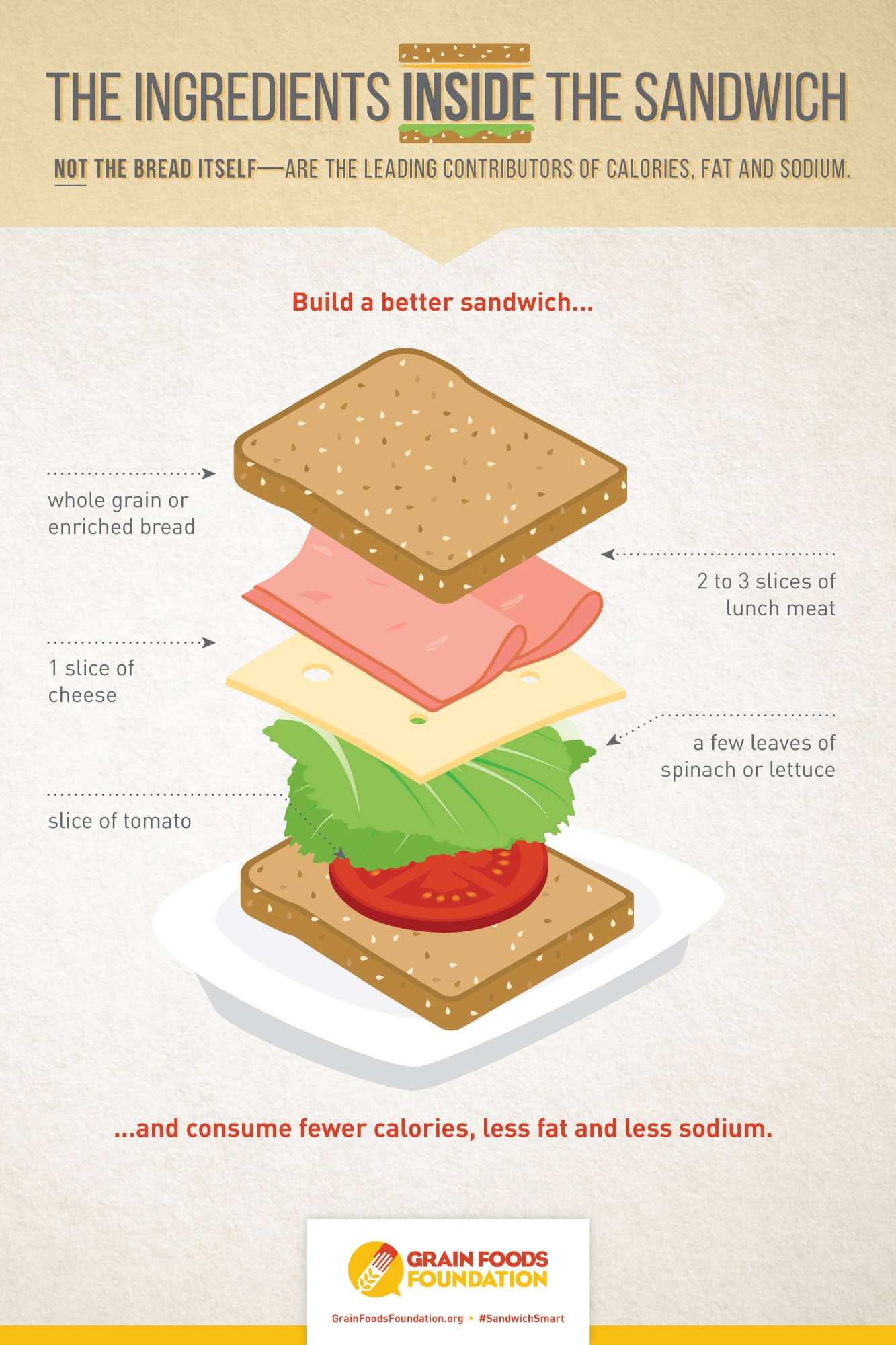
They modeled alternative sandwich combinations by keeping the bread and adjusting the fillings. The updated versions included two options:
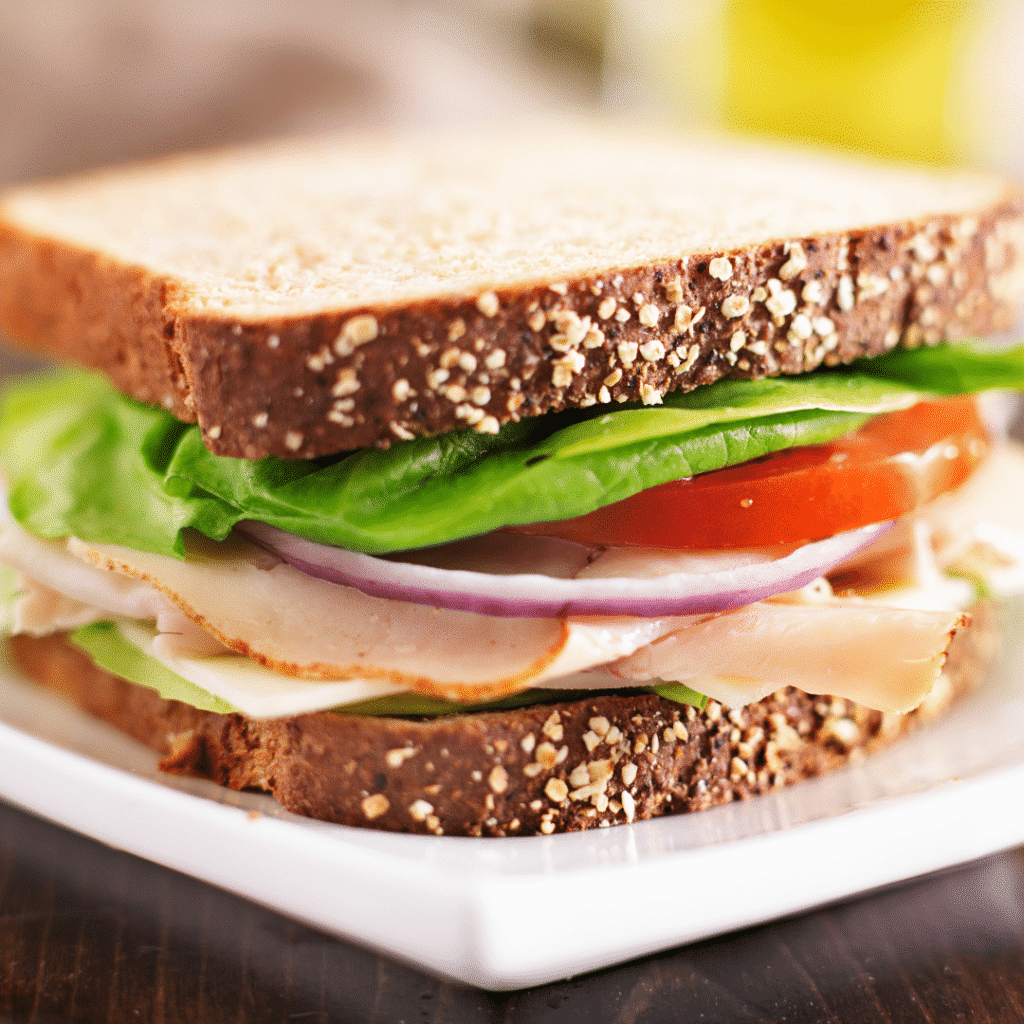
- Whole grain or enriched bread with lean lunch meat, cheese and vegetables
- Peanut butter and jelly on whole grain or enriched bread
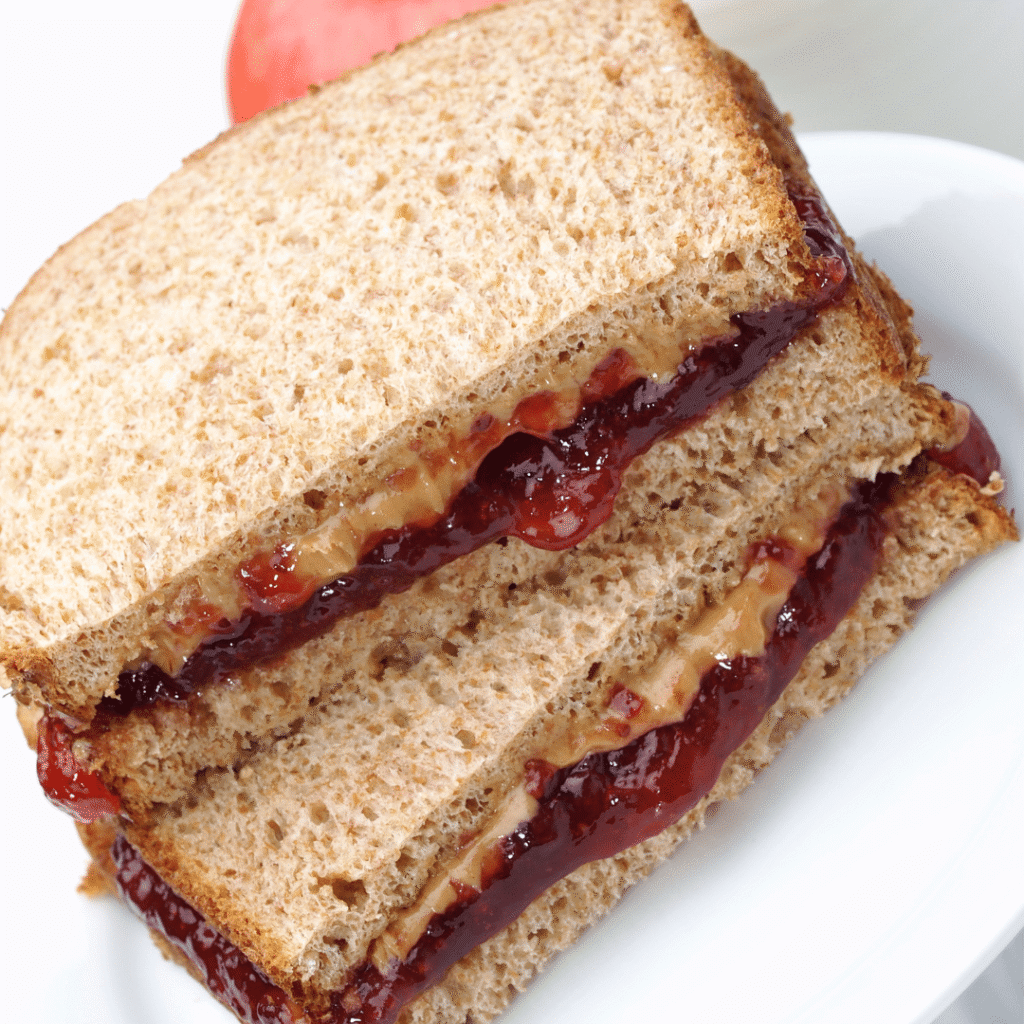
The results were clear. By improving the ingredients inside the sandwich:
- Daily calorie intake decreased by 46-87 calories
- Total fat decreased by 5-14 grams
- Saturated fat dropped to about 5 grams per day
- Sodium intake decreased by 400-790 milligrams per day
To put that into perspective, the reduction in sodium alone is comparable to removing a fast food cheeseburger and small order of fries from a child’s daily diet.
Nutrients Improved Without Removing Bread
In addition to reducing calories, fat and sodium, the modeled sandwiches also improved overall nutrient intake.
Both whole grain and enriched refined grain breads led to reducing calories while increasing nutrients, such as folate, iron, calcium and magnesium. These nutrients play important roles in growth and development, including supporting bone health and helping the body produce red blood cells. Anemia, a common childhood disorder, can be caused by lack of dietary iron during critical growth phases, especially as boys and girls go through puberty.
A Simple Takeaway from the Research
The findings point to a clear conclusion: Improving sandwich nutrition does not require removing bread. Instead, it comes down to making thoughtful choices about what goes between the slices.
Grain foods, both whole and refined, provide essential nutrients and can be part of a balanced eating pattern. Adjusting sandwich fillings offers a practical way to reduce excess calories, fat and sodium while still enjoying familiar foods.