The Mediterranean diet is one of the most researched and recommended eating patterns in the world. Explore its health benefits, learn what foods to eat and why this balanced eating pattern supports overall health.
Rooted in the traditional cuisines of countries like Greece, Italy and Spain, this approach focuses on balance, variety and nutrient-rich foods, not restriction. Decades of research show it’s linked to better heart health, reduced disease risk and longer life.
What Is the Mediterranean Diet?
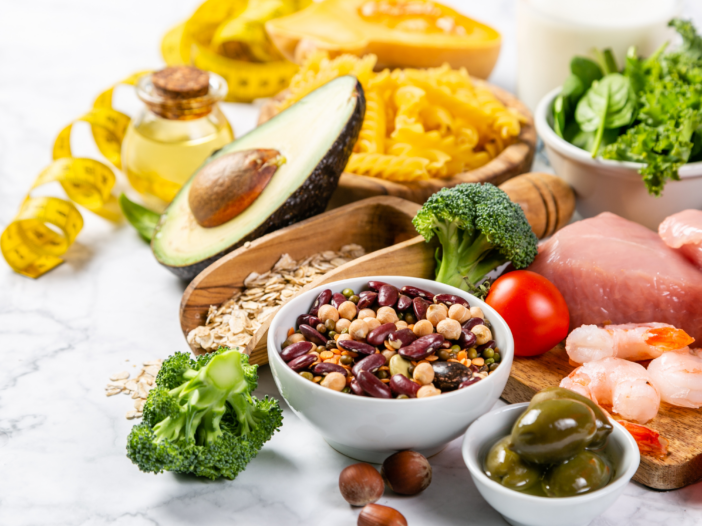
The Mediterranean diet is a plant-forward eating pattern built around:
- Fruits and vegetables
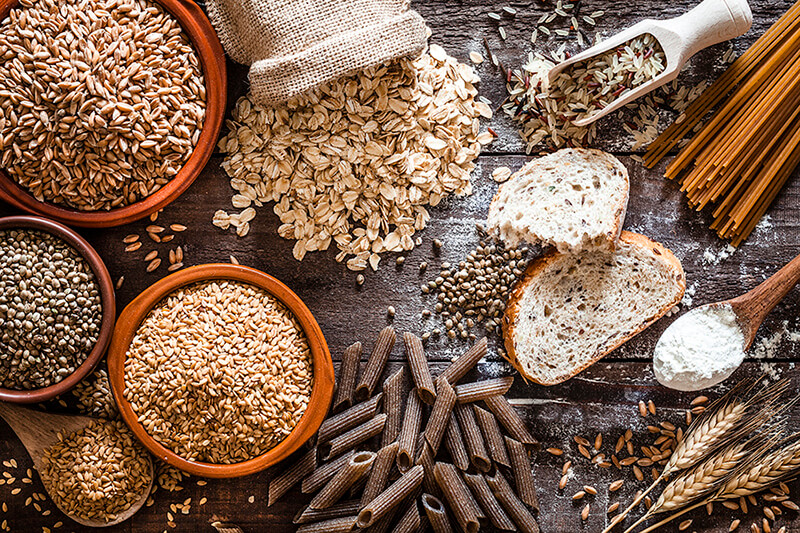
- Whole grains (bread, pasta, rice)
- Beans, legumes, nuts and seeds
- Olive oil as the primary fat
- Fresh herbs and spices for seasoning
- Moderate amounts of fish, dairy, poultry and eggs
- Limited red meat and added sugars
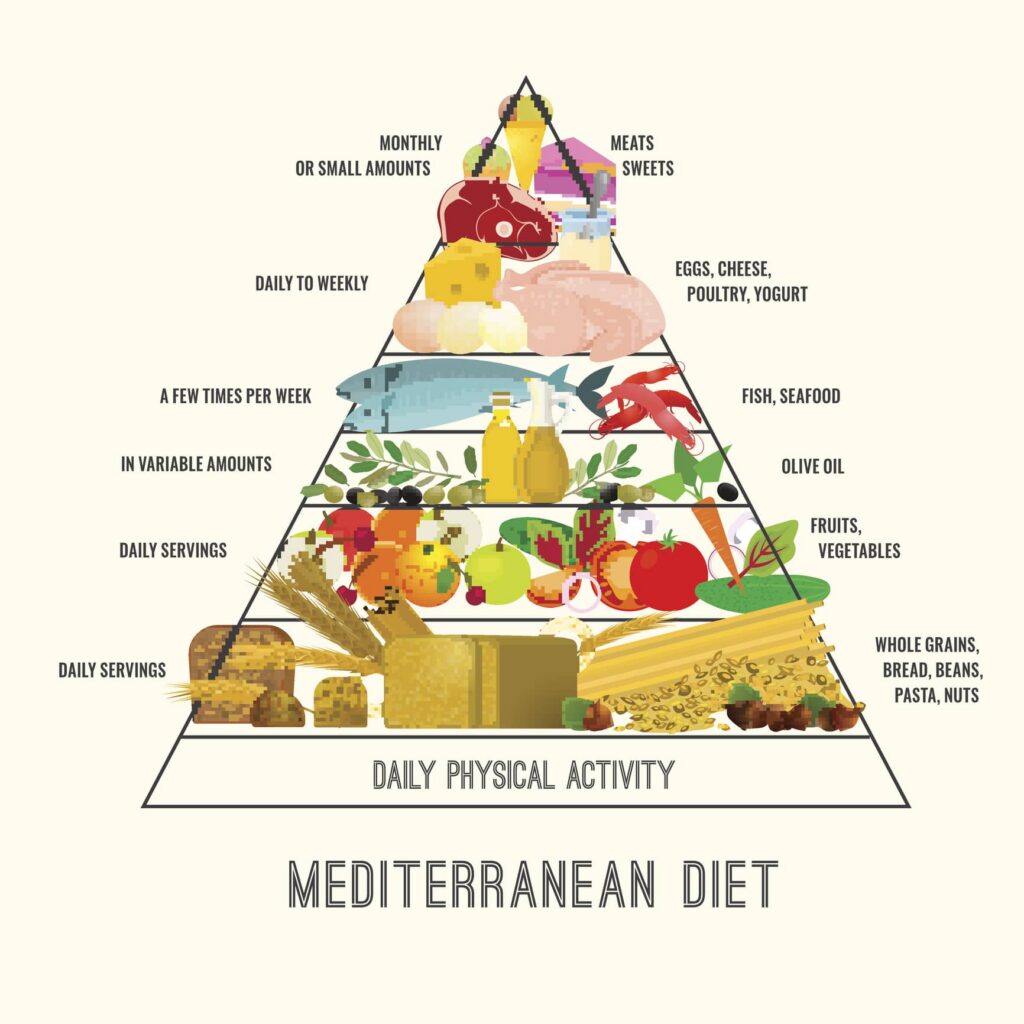
It’s not about eliminating foods. It’s about building a balanced, sustainable way of eating.
Beyond what you eat, the Mediterranean diet also emphasizes cooking and eating meals at home, sharing meals with others and enjoying food without guilt or restriction. This lifestyle approach contributes to both physical and mental well-being.
Why the Mediterranean Diet Is So Healthy
1. Supports Heart Health
The Mediterranean diet is widely recognized for its cardiovascular benefits. Research shows it can lower LDL (“bad”) cholesterol, improve blood pressure and reduce risk of heart disease and stroke. These benefits come from a combination of healthy fats, fiber-rich foods and balanced nutrition.
2. Reduces Risk of Chronic Disease
This eating pattern has been linked to lower risk of Type 2 diabetes, certain cancers and metabolic syndrome. That’s largely due to its emphasis on whole foods, fiberand essential nutrients that support overall metabolic health.
3. Supports Brain Health
Research suggests the Mediterranean diet may help maintain cognitive function, support memory and focus, and reduce risk of age-related cognitive decline. Nutrients from plant foods, healthy fats and grains all contribute to brain health.

4. Promotes Longevity
People who follow the Mediterranean diet tend to live longer, healthier lives. Studies show strong adherence is associated with a lower risk of death from all causes, reinforcing its role as a long-term, sustainable eating pattern.
5. Encourages Sustainable, Balanced Eating
Unlike restrictive diets, the Mediterranean diet doesn’t eliminate food groups. Instead, it encourages variety and flexibility, making it easier to maintain long-term. That’s a big reason it consistently ranks as one of the best diets overall.
The Role of Grains in the Mediterranean Diet
Grain foods are a foundational part of the Mediterranean diet — and one of the most misunderstood. Whole grains play an important role by providing:
- Carbohydrates for energy
- Fiber for digestive health
- B vitamins, antioxidants and phytonutrients
Staple foods like whole grain bread, pasta and rice can also be included in meals paired with vegetables, olive oil and lean proteins for a balanced meal.
What Makes the Mediterranean Diet Work?
The Mediterranean diet continues to stand the test of time for good reason. It supports heart health, brain function, chronic disease prevention and long-term wellness.
And importantly, it includes a wide variety of foods — including grains — making it both nutritious and sustainable.