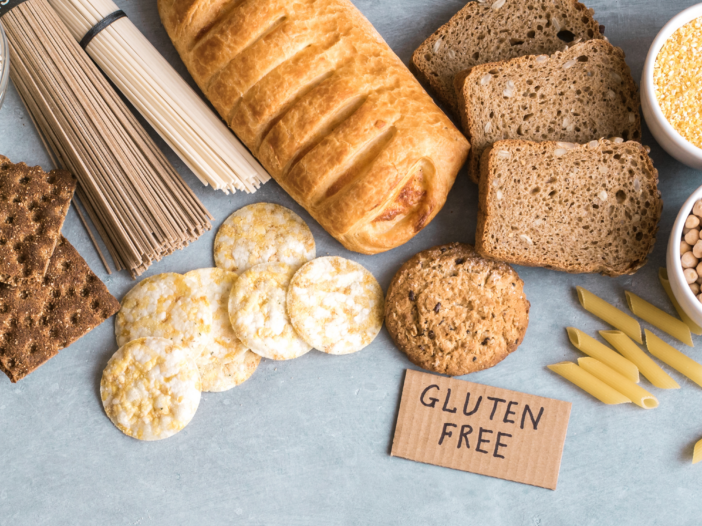
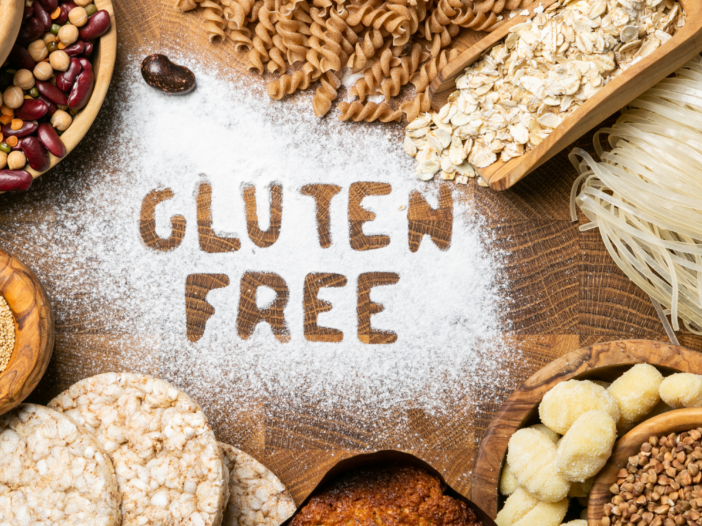
“Gluten-free” has become a buzzword, but not everyone who’s avoiding gluten actually needs to. What is gluten and do you need to avoid it? Before you swap your sourdough for a lettuce wrap, here’s what the science says.
What Is Gluten, and Why Would Someone Go Gluten-Free?
Gluten is a protein found in wheat, barley and rye. For the vast majority of people, it’s a perfectly healthy source of protein that gives bread its chewy texture and helps dough rise.
However, for a small percentage of the population, gluten is a serious health concern:
- Celiac Disease: An autoimmune condition where gluten causes the body to attack the small intestine. This affects about 1% of the population and requires a strict, lifelong gluten-free diet.
- Non-Celiac Gluten Sensitivity (NCGS): People who test negative for Celiac but still feel better when avoiding gluten. Interestingly, emerging research suggests many of these people may actually be sensitive to FODMAPs (certain fermentable carbs) rather than the gluten protein itself.
- Wheat Allergy: A traditional allergic reaction (like a peanut allergy) rather than an autoimmune response.
What Foods Contain Gluten?
Gluten is found in:
- Bread, pasta, crackers, cereals
- Barley and rye products
- Processed foods like sauces and dressings
Always check ingredient labels — gluten can sneak into unexpected places.
Is Going Gluten-Free Healthier?
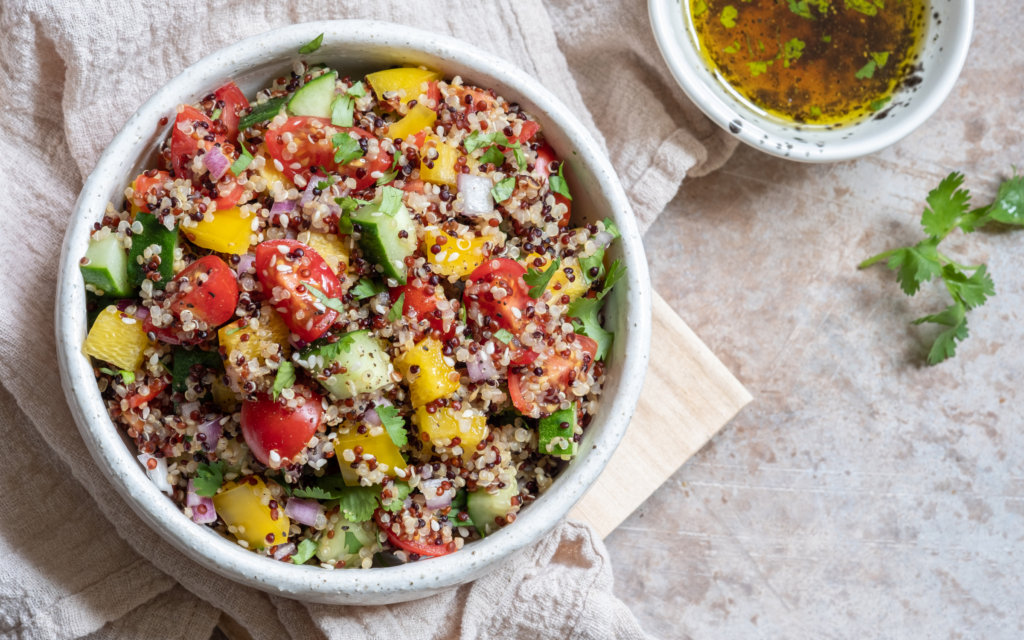
Here’s the honest answer: not automatically. A gluten-free diet is essential for people with celiac disease. But for others, it can come with trade-offs.
Potential downsides to a gluten-free diet:
- Lower intake of fiber and whole grains
- Risk of missing key nutrients like iron, folate and B vitamins
- Gluten-free products often contain more sugar, fat and salt
- No proven benefit for weight loss or heart health
In other words, “gluten-free” isn’t a shortcut to healthy.
For people with celiac disease, a gluten-free diet is non-negotiable. For everyone else, grains provide essential nutrients that are hard to replace. Before you cut them out, make sure you aren’t trading a perfectly healthy staple for a more expensive, less nutritious alternative.