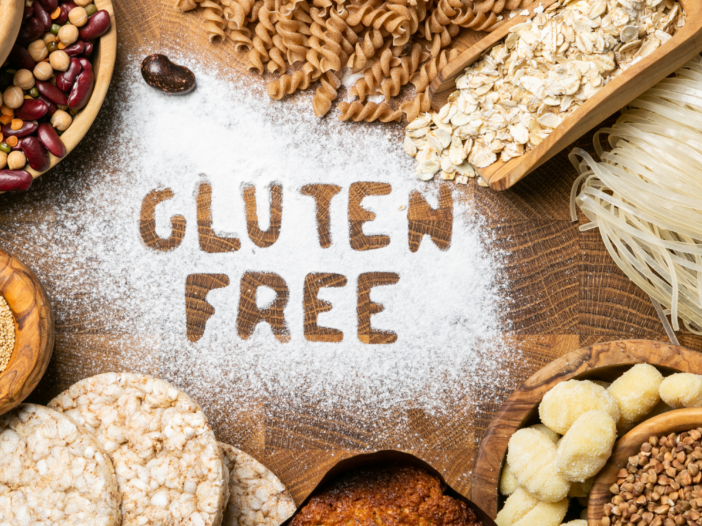
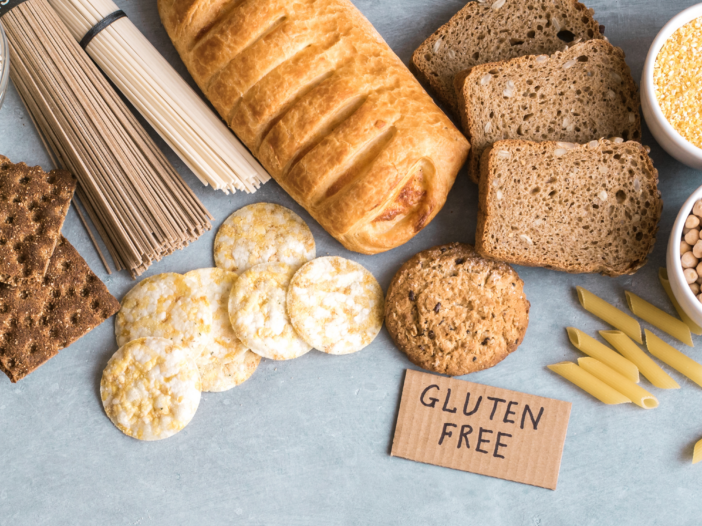
Gluten-free eating doesn’t mean giving up grains — it just means choosing the right ones. Here are 5 healthy gluten free grains to enjoy.
Whether you’re managing celiac disease or simply exploring gluten-free options, understanding which grains are safe (and nutritious) is key to building a balanced diet.
What is Celiac Disease?
Celiac disease is a hereditary autoimmune disease affecting the ingestion of gluten and triggering an immune response that attacks the small intestine. The estimated 1 in 100 people who are diagnosed with celiac disease can suffer from symptoms ranging from diarrhea, bloating and stomach pains to even being at higher risk of developing coronary artery disease or small bowel cancers.
Since those who have celiac disease should avoid all gluten, it can be challenging to enjoy grain foods. Grains are an essential part of a healthy diet as they’re a source of carbohydrates, fiber, and other essential vitamins and minerals. Thankfully, there are plenty of gluten-free grain options that also deliver these important nutrients!
What Is Gluten?
Gluten is a protein found in wheat, barley and rye. It gives baked goods their structure and elasticity, but for people with celiac disease, it triggers an immune response that damages the small intestine. That’s why identifying naturally gluten-free grains is so important!
5 Healthy Gluten-Free Grains to Add to Your Diet
The good news: there are plenty of nutrient-rich, gluten-free grains that deliver fiber, vitamins and minerals — without the downside.

Quinoa
Quinoa has earned its superfood status for good reason. It’s one of the few plant-based complete proteins, meaning it contains all nine essential amino acids. It’s also high in fiber and works in everything from salads to breakfast bowls.
Corn
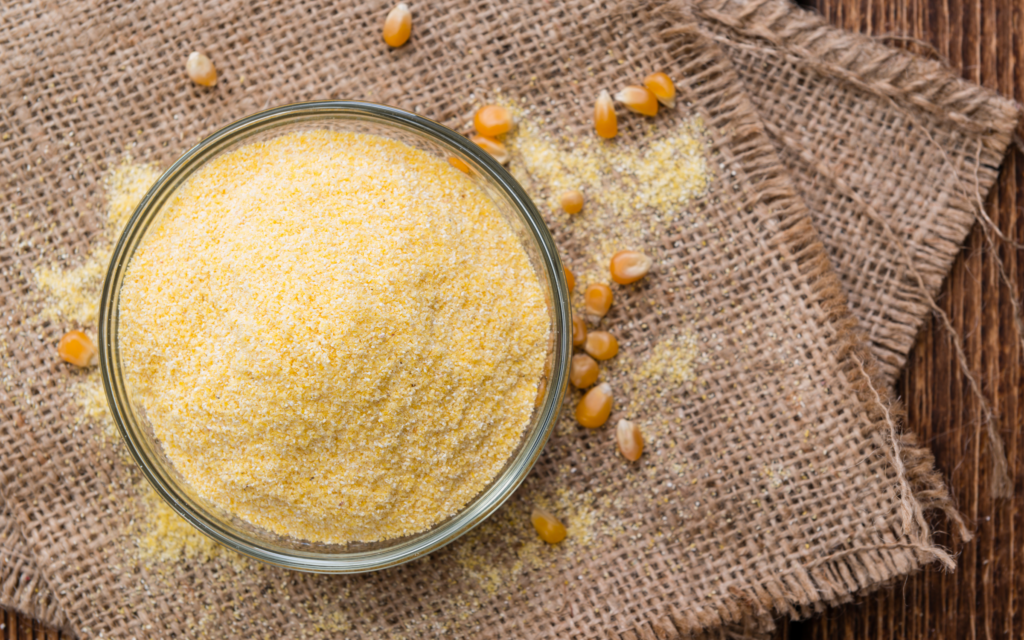
One of the most consumed grains around the world, corn is high in fiber and can decrease the risk of eye disease. It’s a smart and versatile staple, whether grilled, roasted or ground into cornmeal.

Oats
As good source of protein and soluble fiber, oats may help decrease bad cholesterol and lower blood sugar as part of a balanced diet. While oats are naturally gluten-free, some may contain trace amounts of gluten due to cross contamination during harvesting or packaging. It’s best to always check a product’s packaging to be sure it’s labeled gluten-free.
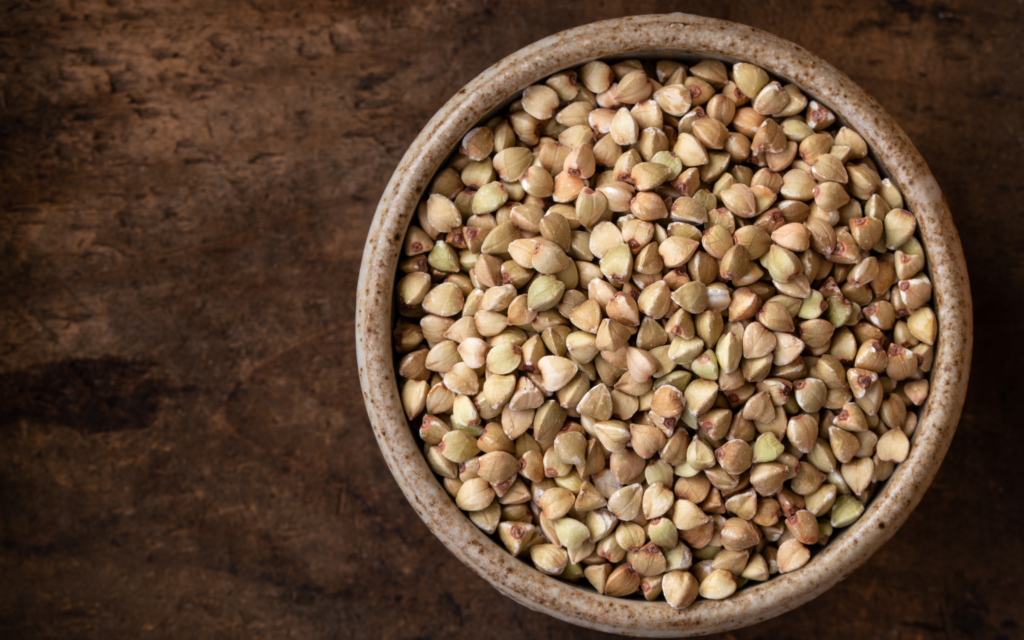
Buckwheat
Buckwheat is a grain-like seed rich in antioxidants and associated with reducing heart disease risk factors such as lowering high blood pressure, high cholesterol and high blood sugar. Noodles made from buckwheat are a great gluten-free pasta alternative.
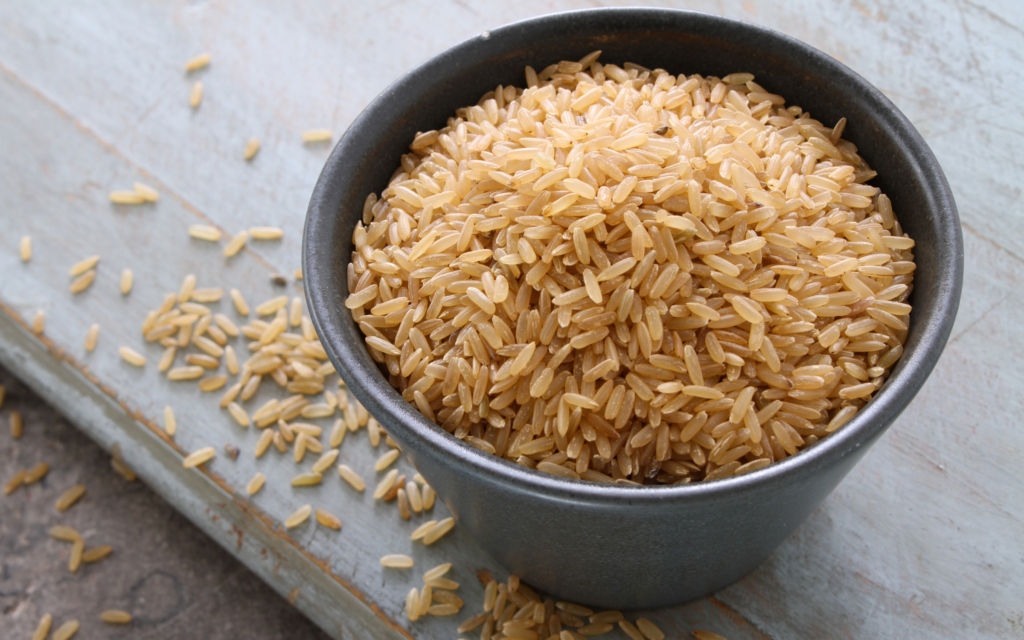
Brown Rice
Brown rice is rich in fiber and micronutrients such as magnesium, potassium, riboflavin and niacin, and can help decrease the risks of weight gain, diabetes and heart disease. It’s a quick and easy gluten-free grain that pairs well with numerous foods.
Why Gluten-Free Grains Matter
Grains play an important role in a healthy diet, providing:
- Carbohydrates for energy
- Fiber for digestion
- Essential vitamins and minerals
If you’re avoiding gluten, swapping in nutrient-dense, gluten-free grains helps ensure you’re still meeting those needs.
Going gluten-free doesn’t mean going without grains. With options like quinoa, corn, oats, buckwheat and brown rice, you can build meals that are just as satisfying — and just as nutritious.