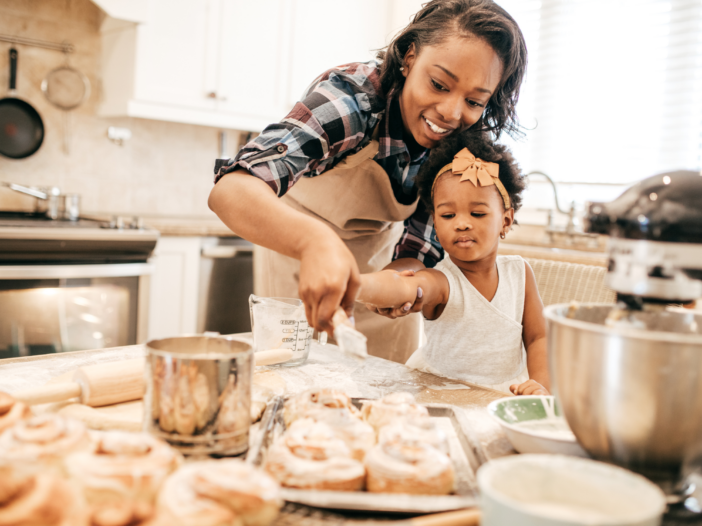
Safe holiday baking starts with smart kitchen habits. Learn simple tips to prevent cross-contamination, handle raw ingredients safely and enjoy festive baking without the food safety risks.
The holidays are cherished for time with family, fun festivities and delectable dishes. With so much baking and cooking during the holiday season, it can be easy to improperly prepare food, causing a big ‘bah humbug’ for those intended to enjoy a bite.
The good news: a few simple habits keep your kitchen safe while you’re making everything from cookies to gingerbread houses.
Flour is a Raw Ingredient
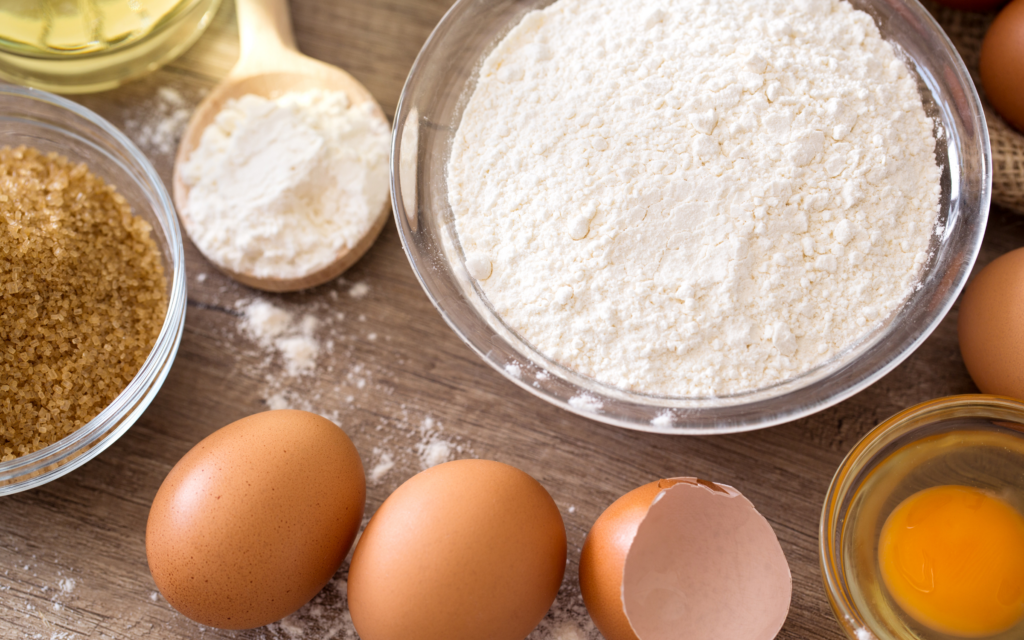
Most think of raw eggs as the reason the not indulge in some cookie dough when baking. But, flour is one of the leading culprits for unsafe foods when not fully baked. Because flour is made from wheat and wheat is grown in fields, it’s exposed to Salmonella and E. coli., bacteria commonly found in raw and undercooked foods. To avoid any baking faux paus this season, follow these flour safety tips to ensure proper food care.
What to Do
Follow recipe and package instructions. It is essential to cook and bake foods to their proper time and temperature to ensure the elimination of any lingering bacteria.
Keep flour away from prepared foods. Remember, flour is a powder and can easily get onto other surfaces and lead to cross-contamination.
Clean all utensils and surfaces. Use warm water and soap on all items that come into contact with flour to properly sanitize. This includes utensils, plates, bowls, countertops, cutting boards, baking sheets, your hands and more.
Refrigerate products containing raw flour. Recipes containing flour not intended to be used right away, such as dough, should always be refrigerated until ready to be baked or cooked, as bacteria multiplies rapidly if left at room temperature.
What Not to Do
Consume raw flour. Bacteria is only killed off when flour is baked or cooked, so don’t take the chance of becoming sick from ingesting raw or undercooked dough, batter or other recipes containing flour.
Use raw dough for play or crafts. While it can be a fun pastime activity, raw dough can still contain live bacteria which your little ones will most likely put in their mouths.
Use expired or recalled flour. Plain flour or any mixes containing flour should immediately be thrown away once they are past the expiration date or have had a recall to stop the chances of becoming sick if used.
Heat-treat flour at home. Attempting to heat-treat flour at home does not guarantee that all the bacteria will be killed off, therefore making the flour still unsafe to eat.
Holiday baking is about joy, not risk management — but a little awareness goes a long way. Keep raw ingredients raw, baked goods baked and everything else properly separated. Now let the baking fun begin!